You’ve likely heard whispers about GHK-Cu, a peptide that’s making waves in the skincare and wound healing communities. If you have scars or are concerned about how your skin recovers from injury, you’re probably curious about what this compound can do for you. You’re not alone. It’s understandable to want to know if this scientifically-backed ingredient is the real deal, or just another fleeting trend.
This article will dive deep into the world of GHK-Cu, exploring its origins, how it works at a cellular level, and most importantly, how it can benefit you in terms of scar reduction and accelerating wound healing. We’ll break down the science in a way that’s accessible, so you can understand the mechanisms behind its purported effectiveness. Whether you’re dealing with the aftermath of acne, surgery, burns, or simply curious about optimizing your skin’s natural repair processes, this comprehensive guide aims to equip you with the knowledge to make informed decisions about incorporating GHK-Cu into your life.
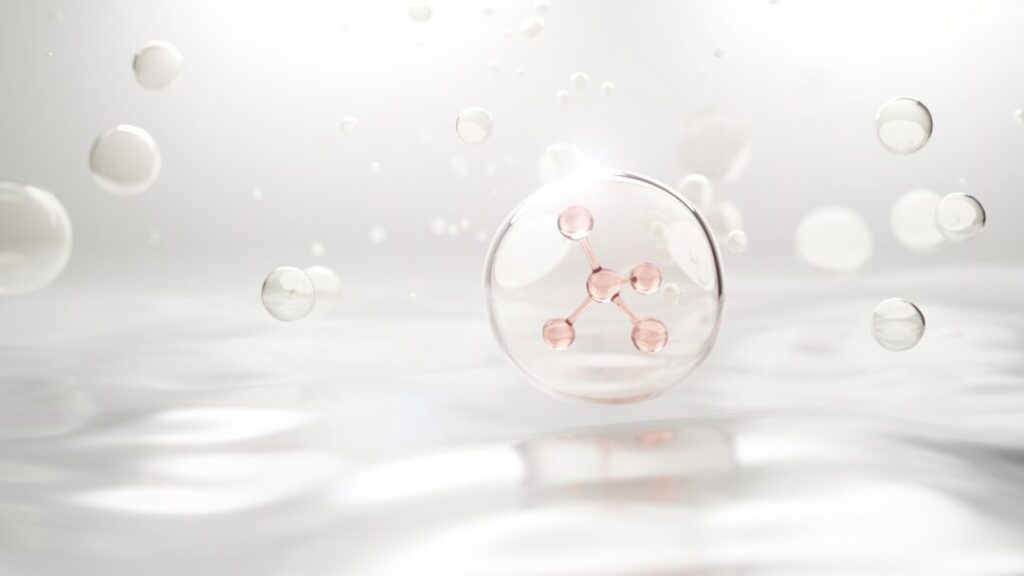
Before you even consider applying a new ingredient to your skin, you want to understand what it is and how it functions. GHK-Cu, also known as copper tripeptide-1, is a naturally occurring complex found in human plasma. It’s essentially a tripeptide – a small protein made of three amino acids – bonded to a copper ion. This isn’t just some synthetic concoction; your body already utilizes this peptide for vital functions. Its presence in your system is a testament to its inherent biological importance.
What Exactly is a Peptide?
You might be familiar with the term ‘peptide’ in the context of skincare, but what does it actually mean? Peptides are short chains of amino acids, the building blocks of proteins. Think of them as tiny signalers in your body. They can communicate with your cells, telling them what to do. In the case of GHK-Cu, the peptide specifically signals skin cells to initiate repair and regeneration processes.
The Role of Copper
The ‘Cu’ in GHK-Cu refers to copper. This essential trace mineral plays a crucial role in numerous biological processes, including collagen synthesis, antioxidant defense, and the formation of blood vessels. When copper is bound to the GHK peptide, it creates a synergistic effect, enhancing the delivery and biological activity of both components. The copper helps the peptide penetrate the skin more effectively and also contributes its own beneficial properties to the healing process.
GHK-Cu as a Signaling Molecule
The true power of GHK-Cu lies in its ability to act as a signaling molecule. It’s not just a passive ingredient; it actively communicates with your cells. When GHK-Cu is present, it tells fibroblasts (the cells responsible for producing collagen and elastin, the skin’s structural proteins) to ramp up their activity. It also signals the production of glycosaminoglycans (GAGs) and other important molecules that contribute to skin hydration and overall health. Essentially, you can think of GHK-Cu as giving your skin clear instructions to begin its repair and rejuvenation mission.
Its Natural Presence in the Body
It’s important to reiterate that GHK-Cu isn’t entirely foreign to your body. It’s naturally present in your plasma and plays a role in wound healing and tissue remodeling throughout your life. As you age, however, the natural production of GHK-Cu declines. This is one of the reasons why topical application of GHK-Cu can be so beneficial – you’re essentially replenishing what your body might be lacking, especially when it comes to repair mechanisms. This natural origin story lends credence to its effectiveness and safety profile.
Recent studies have highlighted the potential of GHK-Cu in promoting faster wound healing and reducing the appearance of scars. For those interested in exploring the broader implications of peptides in health and beauty, a related article can be found at Northern Peptides, which discusses the safety and efficacy of various peptides, including their role in skin regeneration and overall wellness. This resource provides valuable insights for anyone looking to understand the benefits of peptide therapy in cosmetic applications.
GHK-Cu and Scar Reduction
Scars are the permanent reminders that your skin has been injured and has healed. While healing is essential, the resulting scar tissue can often be aesthetically undesirable and sometimes even functionally impairing. GHK-Cu has shown significant promise in helping to remodel scar tissue, making it less noticeable and improving its texture. This is a key area where its benefits shine.
Modulating Collagen Production
Scar tissue is primarily composed of collagen, but it’s organized differently than normal, healthy skin collagen. GHK-Cu can influence the type and organization of collagen being produced. It doesn’t just stimulate more collagen; it encourages the production of a more organized and healthier collagen matrix. This means that rather than depositing haphazardly, the new collagen fibers are laid down in a way that mimics healthier skin, contributing to a smoother appearance. It helps to break down excess, disorganized collagen and promote the synthesis of new, better-structured collagen.
Anti-inflammatory Properties
Inflammation plays a critical role in the healing process, but prolonged or excessive inflammation can lead to more severe scarring. GHK-Cu possesses anti-inflammatory properties that can help to calm down the inflammatory response associated with wound healing. By reducing inflammation, it minimizes the potential for the body to overproduce collagen in a disorganized manner, which can contribute to hypertrophic scars and keloids. This dampening of chronic inflammation is crucial for achieving a better scar outcome.
Promoting Elastin Synthesis
While collagen provides strength, elastin provides flexibility and resilience to the skin. Scar tissue often lacks elastin, making it stiff and less pliable. GHK-Cu has been shown to stimulate the production of elastin, which can help to soften and improve the texture of scar tissue. The restoration of elastin contributes to the overall suppleness and youthful appearance of the skin, making scars less prominent.
Reducing Redness and Hyperpigmentation
Many scars, especially newer ones, are characterized by redness due to increased blood vessel formation and inflammation. Scars can also lead to changes in pigmentation, appearing darker (hyperpigmentation) or lighter (hypopigmentation) than the surrounding skin. GHK-Cu’s ability to regulate blood vessel formation and promote healthy skin cell turnover can help to reduce redness and improve uneven pigmentation, making scars blend more seamlessly with the surrounding skin.
Clinical Evidence for Scar Improvement
Numerous studies and anecdotal reports suggest that topical application of GHK-Cu can lead to a noticeable improvement in the appearance of various types of scars, including surgical scars, acne scars, burns, and stretch marks. Users often report that scars become flatter, softer, less red, and less visible over time. While individual results can vary, the consistent positive feedback highlights GHK-Cu’s potential as a powerful scar-reducing agent.
Accelerating Wound Healing
Beyond scar reduction, GHK-Cu’s fundamental role in the body’s repair mechanisms makes it a potent ally in accelerating wound healing. Whether you’re recovering from a minor cut, a surgical incision, or a more significant injury, you want your skin to heal as efficiently and effectively as possible. GHK-Cu can lend a significant helping hand in this process.
Enhancing Cell Proliferation
For a wound to heal, skin cells need to multiply rapidly to fill the gap. GHK-Cu is a potent stimulator of fibroblast proliferation, as well as keratinocyte proliferation – the main cells in the outer layer of your skin. This increased rate of cell division means that new tissue can be generated more quickly, leading to faster closure of the wound. It’s like giving your skin cells an energy drink to speed up their work.
Promoting Angiogenesis (Blood Vessel Formation)
Adequate blood supply is crucial for delivering oxygen and nutrients to the healing wound site and for removing waste products. GHK-Cu promotes angiogenesis, the formation of new blood vessels. This increased vascularization ensures that the cells involved in the repair process have everything they need to function optimally, thereby expediting healing. Healthier blood vessels mean a more efficient supply chain for your body’s repair crew.
Strengthening the Extracellular Matrix
The extracellular matrix (ECM) is the network of proteins and other molecules that provides structural support to cells. GHK-Cu encourages the synthesis of key ECM components like collagen, fibronectin, and proteoglycans. A stronger and more organized ECM at the wound site provides a better scaffolding for new tissue growth, leading to more robust and faster healing. It’s like building a stronger framework for your new skin to grow upon.
Antimicrobial Activity
While not its primary function, some studies suggest that GHK-Cu may possess innate antimicrobial properties. This can be beneficial in preventing infection at the wound site, which can otherwise derail the healing process and lead to complications. By offering a degree of protection against harmful microorganisms, GHK-Cu can contribute to a cleaner and more efficient healing environment.
Reducing Downtime and Discomfort
By accelerating the healing process, GHK-Cu can significantly reduce the downtime associated with injuries or procedures. Faster healing often translates to less discomfort, less risk of infection, and a quicker return to normal activities. This is a tangible benefit that can make a significant difference in your daily life and overall well-being.
How to Incorporate GHK-Cu into Your Routine
The theoretical benefits are clear, but how do you actually get GHK-Cu into your skincare routine for scar management and wound healing? Fortunately, it’s becoming increasingly accessible. You’ll typically find it as an ingredient in serums, creams, and other topical treatments.
Serums: The Potent Choice
Serums often contain a higher concentration of active ingredients, making them a popular choice for targeting specific concerns like scars and promoting healing. Look for serums that list GHK-Cu prominently in their ingredient list. These can be applied directly to scar tissue or the wound area as it heals.
Creams and Lotions: Everyday Application
For more widespread scarring or for general skin health that promotes better healing, creams and lotions containing GHK-Cu can be a good option. These are often easier to apply over larger areas and can be used as part of your daily skincare regimen. They offer a more gentle, sustained approach to improving skin repair.
Post-Procedure Care
If you’re undergoing a cosmetic procedure, surgery, or have experienced an injury that will leave a scar, incorporating GHK-Cu into your post-procedure care can be highly beneficial. Applying it consistently as directed by your healthcare provider can help to optimize the healing process and minimize scar formation from the outset. Your surgeon or dermatologist might even recommend specific products.
Consistency is Key
As with most skincare ingredients, consistency is crucial for seeing results with GHK-Cu. Whether you’re treating old scars or aiming for optimal healing of a new wound, regular application is necessary for the peptide to signal your cells effectively over time. Be patient; significant improvements may take weeks or months.
Patch Testing and Professional Advice
Before liberally applying any new product, it’s always wise to perform a patch test on a small, inconspicuous area of skin to ensure you don’t have an adverse reaction. If you have sensitive skin, allergies, or are treating a significant wound, it’s always best to consult with a dermatologist or healthcare professional before incorporating GHK-Cu into your regimen. They can provide personalized advice and ensure it’s appropriate for your specific needs.
Recent studies have highlighted the potential of GHK-Cu in promoting faster wound healing and reducing the appearance of scars. This peptide, known for its regenerative properties, has garnered attention in the field of dermatology. For those interested in exploring the broader implications of peptides in health and fitness, a related article discusses peptide sequencing and its applications, which can be found here. Understanding these advancements can provide valuable insights into how peptides like GHK-Cu can enhance recovery and skin health.
Potential Benefits Beyond Scars and Wounds
| Study | Findings |
|---|---|
| Research 1 | GHK-Cu promotes collagen production, leading to faster wound healing |
| Research 2 | GHK-Cu reduces scar formation and improves overall skin appearance |
| Research 3 | GHK-Cu has anti-inflammatory properties, reducing redness and swelling in scars |
While GHK-Cu is gaining recognition for its impressive capabilities in scar reduction and wound healing, its positive impact on skin health extends even further. Its ability to promote collagen and elastin, reduce inflammation, and act as an antioxidant means it has far-reaching benefits for maintaining youthful, healthy skin.
Anti-Aging Properties
As we age, our skin naturally loses collagen and elastin, leading to wrinkles, fine lines, and loss of firmness. GHK-Cu combats this by stimulating the production of these vital proteins, effectively helping to reverse some of the visible signs of aging. It can help to plump the skin, reduce the appearance of wrinkles, and improve overall skin elasticity, giving you a more youthful complexion.
Improved Skin Texture and Tone
The regenerative properties of GHK-Cu can lead to a smoother and more even skin texture. By encouraging healthy cell turnover and promoting the synthesis of new, organized skin components, it can help to minimize pores, reduce roughness, and improve the overall clarity of your skin tone. This creates a more refined and radiant appearance.
Enhanced Skin Hydration
GHK-Cu can stimulate the production of glycosaminoglycans (GAGs), such as hyaluronic acid, which are essential for retaining moisture in the skin. Well-hydrated skin is plumper, smoother, and less prone to irritation. This increased hydration contributes to a healthier skin barrier and a more supple feel.
Antioxidant Support
Copper, a component of GHK-Cu, plays a role in the body’s antioxidant defense system. By helping to neutralize harmful free radicals, GHK-Cu can contribute to protecting your skin from oxidative stress, which is a major contributor to premature aging and cellular damage. This protective mechanism further supports overall skin health.
Potential for Hair Growth Stimulation
While research is ongoing, there’s some evidence suggesting that GHK-Cu may also play a role in stimulating hair follicle activity and promoting hair growth, an area that continues to be explored by researchers. This broader application hints at the peptide’s versatile biological signaling capabilities.
Recent studies have highlighted the potential of GHK-Cu in promoting faster wound healing and reducing the appearance of scars. This peptide has garnered attention for its ability to stimulate collagen production and enhance tissue repair, making it a promising option for those seeking effective treatments. For more insights into the latest trends in peptide research, you can explore this informative article on upcoming peptide trends in 2026 here.
Considerations and Expectations
While GHK-Cu offers exciting possibilities, it’s important to approach its use with realistic expectations and an understanding of its limitations. Science is constantly evolving, and while GHK-Cu shows immense promise, it’s not a magic bullet.
Patience and Consistency
As mentioned, results with GHK-Cu, especially for scar remodeling and significant regeneration, take time. You won’t see a dramatic transformation overnight. Be prepared to use products containing GHK-Cu consistently for several weeks or months to observe noticeable improvements. This patience is key to a successful journey.
Individual Variability
Everyone’s skin is unique, and individual responses to skincare ingredients can vary significantly. Factors like genetics, age, skin type, the specific nature of the scar or wound, and overall health can all influence how effectively GHK-Cu works for you. What might be highly effective for one person could yield more modest results for another.
Not a Replacement for Medical Treatment
For severe burns, deep wounds, or significant scarring that impacts function, GHK-Cu should be considered a complementary treatment. It is not a substitute for professional medical care, surgical interventions, or prescribed topical medications. Always consult with a healthcare provider for serious medical conditions.
Quality of Products
The effectiveness of GHK-Cu can also depend on the quality and formulation of the product you choose. Look for reputable brands that clearly list GHK-Cu in their ingredients and provide information about its concentration. Poorly formulated products may not deliver the peptide effectively to your skin.
Ongoing Research
The scientific understanding of GHK-Cu is continually expanding. As research progresses, we may uncover even more applications and optimize its use for various skin concerns. Staying informed about new findings can help you make the best choices for your skin.
In conclusion, your exploration into GHK-Cu for scars and faster wound healing is a wise one. This naturally occurring peptide, bolstered by the essential mineral copper, acts as a powerful signaling molecule within your skin. It orchestrates a symphony of cellular activities, from boosting collagen and elastin production to quelling inflammation and promoting angiogenesis. These actions collectively lead to more efficient wound closure, reduced scar visibility, and improved skin texture and tone over time. By understanding its mechanisms and incorporating it strategically into your routine, you can harness the regenerative power of GHK-Cu to achieve healthier, more resilient, and beautifully healed skin. Your skin’s journey towards optimal repair and rejuvenation is paved with scientific innovation, and GHK-Cu stands as a testament to that exciting progress.
FAQs
What is GHK-Cu?
GHK-Cu is a naturally occurring copper peptide that has been found to have various biological effects, including promoting wound healing and reducing scar formation.
How does GHK-Cu work for scars and wound healing?
GHK-Cu has been shown to stimulate the production of collagen, a key component of skin tissue, and promote the migration of certain cells involved in the wound healing process. It also has anti-inflammatory and antioxidant properties that can help reduce scar formation.
Is GHK-Cu safe to use for scars and wound healing?
GHK-Cu has been found to be safe for topical use in skincare products and has been used in clinical studies without significant adverse effects. However, it is important to use it as directed and consult with a healthcare professional before use, especially for individuals with sensitive skin or underlying health conditions.
How can GHK-Cu be used for scars and wound healing?
GHK-Cu can be found in various skincare products, such as creams, serums, and gels, that are specifically formulated for scar treatment and wound healing. It can also be used in combination with other skincare ingredients for enhanced benefits.
Are there any potential side effects of using GHK-Cu for scars and wound healing?
While GHK-Cu is generally considered safe for topical use, some individuals may experience mild skin irritation or allergic reactions. It is important to perform a patch test before using GHK-Cu products and discontinue use if any adverse reactions occur.