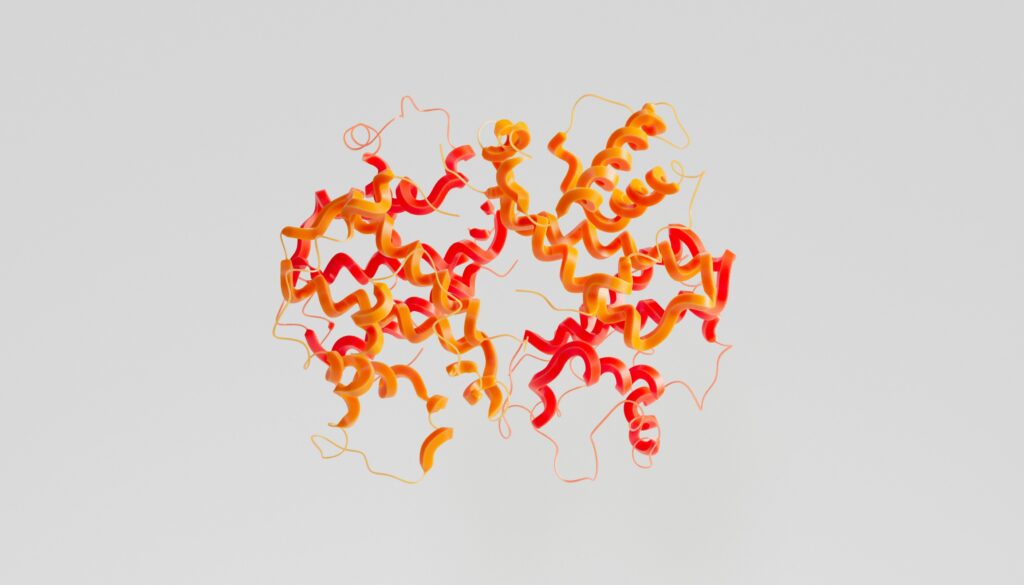
You’re probably wondering, “What exactly are peptides, and how could they possibly be influencing my cholesterol levels?” It’s a fair question, and one that delves into a fascinating area of biochemistry and health. For years, the focus on cholesterol management has often revolved around diet, exercise, and of course, statins. But emerging research is shining a spotlight on a class of molecules you might not have considered before: peptides. These short chains of amino acids, the building blocks of proteins, are far more than just passive cellular components. They are active messengers, signaling molecules, and participants in a vast array of bodily processes, including those that govern your lipid profiles.
You might be surprised to learn that peptides have a hand in some of your body’s most fundamental functions. From regulating hormones and immune responses to influencing cell growth and repair, they are involved in an astonishingly diverse range of activities. When we talk about cholesterol, we’re referring to a type of fat that’s crucial for building healthy cells, producing hormones, and aiding in digestion. However, imbalances in cholesterol, particularly the “bad” LDL cholesterol, can lead to serious cardiovascular issues. This is where the intricate world of peptides, and their potential impact on your cholesterol levels, becomes incredibly important for you to understand.
This article will guide you through the complex yet captivating relationship between peptides and your cholesterol. We’ll explore the mechanisms by which these tiny molecules can influence both the production and processing of lipids in your body, and what this could mean for your overall cardiovascular health.
Before we dive into the nitty-gritty of peptide-cholesterol interactions, it’s essential to establish a foundational understanding of both subjects. You need to know what you’re dealing with, and why achieving healthy cholesterol levels is paramount for your well-being.
The Building Blocks: An Introduction to Peptides
You can think of peptides as the unsung heroes of your cellular communication system. They are formed by linking amino acids together in specific sequences. While proteins are also made of amino acids, they are generally much larger and more complex structures. Peptides, on the other hand, are shorter chains, typically ranging from two to fifty amino acids. This difference in size grants them unique properties and functions.
Amino Acids: The Foundation of Life
- The Blueprint: Amino acids are the fundamental units that make up all proteins and peptides. There are 20 common amino acids, each with a distinct chemical structure. Your body can synthesize some of these, while others, known as essential amino acids, must be obtained from your diet.
- The Linkage: Amino acids are joined together by peptide bonds, forming chains. The specific order of these amino acids is critical, as it dictates the peptide’s three-dimensional structure and, consequently, its function.
Peptide Power: More Than Just Messengers
- Signaling Specialists: Many peptides act as hormones, neurotransmitters, or growth factors, transmitting signals between cells and regulating a myriad of physiological processes. Think of them as tiny couriers, carrying vital instructions throughout your body.
- Diverse Roles: Their functions are incredibly varied. Peptides can influence mood, sleep, appetite, metabolism, muscle growth, immune responses, and yes, even how your body handles cholesterol.
Cholesterol: The Essential Yet Potentially Dangerous Fat
You’ve likely heard cholesterol discussed in both positive and negative contexts. It’s a vital component of your body, but too much of the “wrong kind” can be detrimental.
The Dual Nature of Cholesterol
- Indispensable for Health: Cholesterol is a waxy, fat-like substance that is essential for numerous bodily functions. It’s a key component of cell membranes, providing structural integrity. It’s also a precursor for essential hormones like estrogen, testosterone, and cortisol, as well as vitamin D and bile acids, which help digest fats.
- Transported by Lipoproteins: Because cholesterol is a fat and your blood is primarily water, it needs special carriers to travel through your bloodstream. These carriers are lipoproteins, which are combinations of fat (lipid) and protein.
The Cholesterol Trio: HDL, LDL, and Triglycerides
- LDL (Low-Density Lipoprotein): The “Bad” Cholesterol: This is the type that can cause problems. LDL carries cholesterol from the liver to cells throughout the body. If there’s too much LDL, it can build up in the walls of your arteries, forming plaque. This process, known as atherosclerosis, narrows arteries and increases the risk of heart attack and stroke.
- HDL (High-Density Lipoprotein): The “Good” Cholesterol: HDL acts as a scavenger. It picks up excess cholesterol from the bloodstream and artery walls and transports it back to the liver for removal from the body. Higher levels of HDL are generally associated with a lower risk of cardiovascular disease.
- Triglycerides: While not strictly cholesterol, triglycerides are another type of fat found in your blood. They are used for energy. High levels of triglycerides, often alongside high LDL or low HDL, are also considered a risk factor for heart disease.
Peptides have garnered significant attention for their potential health benefits, including their impact on cholesterol levels. For those interested in understanding more about peptides and their various applications, a related article titled “What Are Peptides? A Beginner’s Guide for Canadians” provides a comprehensive overview. You can explore this informative resource by following this link: What Are Peptides? A Beginner’s Guide for Canadians. This article delves into the basics of peptides, their functions, and how they may influence overall health, including cholesterol management.
Peptides in Action: How They Influence Lipid Metabolism
Now that you have a grasp of what peptides and cholesterol are, let’s delve into the fascinating ways in which peptides can modulate your body’s lipid metabolism. This isn’t a simple one-to-one relationship; rather, it’s a complex interplay of signaling pathways and molecular interactions.
Modulating Lipoprotein Production and Clearance
Peptides play a significant role in how your body produces and removes lipoproteins, directly impacting your cholesterol levels.
The Liver’s Role: A Central Hub
- Hormonal Regulation: Your liver is the primary site for cholesterol synthesis and lipoprotein assembly. Certain peptides, acting as hormones, can signal to the liver, influencing its production of LDL and HDL. For instance, some peptides might stimulate the liver to produce more HDL, helping to clear excess cholesterol, while others could potentially influence the liver’s production of LDL.
- Enzyme Activity: Enzymes are crucial for the metabolism of lipids. Peptides can influence the activity of key enzymes involved in lipoprotein synthesis and breakdown. If a peptide can upregulate enzymes that break down LDL or enhance the production of HDL-carrying enzymes, it can lead to a more favorable lipid profile for you.
Intestinal Absorption and Excretion
- Gut-Brain Axis: Peptides originating from the gut can also influence lipid absorption and excretion. These peptides can signal to the intestines, affecting how much cholesterol and fat you absorb from your diet. Similarly, they can influence the mechanisms by which cholesterol is eliminated from the body.
Peptides and Inflammation: A Crucial Connection
You might not immediately connect inflammation with cholesterol, but the two are deeply intertwined. Chronic inflammation plays a significant role in the development of atherosclerosis.
The Atherosclerotic Process
- Endothelial Dysfunction: High levels of LDL cholesterol can damage the inner lining of your arteries (the endothelium). This damage can trigger an inflammatory response.
- Immune Cell Infiltration: Inflammatory cells are recruited to the site of damage, where they can engulf oxidized LDL cholesterol, forming foam cells. These foam cells are a hallmark of atherosclerotic plaque.
- Plaque Development: The ongoing inflammatory process contributes to the growth and instability of atherosclerotic plaques, increasing the risk of heart attack and stroke.
Peptides as Anti-Inflammatory Agents
- Cytokine Modulation: Many peptides possess potent anti-inflammatory properties. They can influence the production and activity of cytokines – signaling molecules that either promote or suppress inflammation. By reducing pro-inflammatory cytokines and promoting anti-inflammatory ones, certain peptides can help mitigate the inflammatory cascade that contributes to high cholesterol and atherosclerosis.
- Oxidative Stress Reduction: Oxidative stress, an imbalance between free radicals and antioxidants, is closely linked to inflammation and LDL cholesterol oxidation. Some peptides can act as antioxidants, neutralizing free radicals and protecting your LDL cholesterol from becoming oxidized, thus reducing its atherogenic potential.
Impact on Insulin Sensitivity and Glucose Metabolism
The relationship between insulin resistance, type 2 diabetes, and high cholesterol is well-established. Peptides can play a role in this complex metabolic interplay.
The Insulin Connection
- Insulin Resistance: When your body becomes resistant to insulin, your cells don’t respond effectively to this hormone that regulates blood sugar. This can lead to elevated blood glucose levels and is often associated with dyslipidemia (abnormal blood lipid levels), including high triglycerides and low HDL cholesterol.
- Peptide Hormones: Certain peptide hormones are directly involved in glucose regulation. For example, incretin hormones like GLP-1 (glucagon-like peptide-1) play a crucial role in stimulating insulin secretion and suppressing glucagon release after a meal, helping to maintain stable blood sugar levels.
Indirect Effects on Cholesterol
- Improved Metabolic Health: By improving insulin sensitivity and glucose control, peptides that influence these processes can indirectly have a positive impact on your cholesterol profile. Better metabolic health generally translates to a healthier lipid profile, with lower LDL and triglycerides, and potentially higher HDL.
- Reduced Hepatic Fat Production: Imbalances in glucose metabolism can contribute to increased fat production in the liver, which can further exacerbate lipid abnormalities. Peptides that improve insulin sensitivity can help to curb this excessive hepatic fat production.
Specific Peptide Classes and Their Cholesterol Influence

While the general principles are important, understanding specific classes of peptides can provide a more detailed picture of how these molecules might influence your cholesterol.
Gut Hormones: Regulating Absorption and Satiety
Peptides produced in your gastrointestinal tract have a profound impact on your digestion, nutrient absorption, and even your appetite.
Incretins and Beyond
- GLP-1 (Glucagon-Like Peptide-1): As mentioned, GLP-1 is a key incretin hormone. Beyond its role in glucose control, GLP-1 has been shown to influence lipid metabolism. It can slow down gastric emptying, which can lead to feeling fuller for longer and potentially reduced food intake. Some research suggests it may also directly impact lipid synthesis and clearance in the liver.
- GIP (Gastric Inhibitory Polypeptide): Another incretin, GIP, also plays a role in insulin secretion. While its effects on lipids are more complex and debated compared to GLP-1, it’s part of the intricate hormonal network that governs nutrient processing.
- CCK (Cholecystokinin): This peptide is released in response to the presence of fats and proteins in the small intestine. It stimulates the release of bile from the gallbladder, aiding in fat digestion. CCK also plays a role in satiety, contributing to feelings of fullness after a meal, which can indirectly influence the amount of fat you consume.
Myokines: Peptides from Muscle
Your muscles aren’t just for movement; they are also endocrine organs, releasing a variety of peptides known as myokines.
The Exercise Connection
- Irisin: This is a particularly well-studied myokine. When you exercise, your muscles release irisin. Irisin has been shown to promote the browning of white adipose tissue (fat tissue), which can increase energy expenditure. Some studies suggest irisin may also have beneficial effects on lipid metabolism, potentially improving insulin sensitivity and influencing cholesterol transport.
- Other Myokines: A growing number of other myokines are being identified, and their roles in metabolic health, including lipid regulation, are under active investigation. Regular physical activity, which stimulates myokine release, is widely recognized for its positive impact on cholesterol profiles.
Adipokines: Peptides from Fat Tissue
Fat tissue, far from being inert, is also a source of signaling molecules, including peptides called adipokines.
Beyond Energy Storage
- Leptin: Primarily known for its role in regulating appetite and energy balance, leptin can also influence lipid metabolism. It can affect the breakdown of fats and influence the production of certain lipoproteins.
- Adiponectin: This adipokine is generally considered beneficial. Higher levels of adiponectin are associated with improved insulin sensitivity and a healthier lipid profile. It can promote fatty acid oxidation and reduce inflammation in blood vessels. Certain peptides, or interventions that influence adipokine levels, could therefore have a positive impact on your cholesterol.
Potential Therapeutic Applications: Peptide Therapy for Cholesterol Management

The growing understanding of peptides’ role in lipid metabolism opens exciting avenues for novel therapeutic interventions. While lifestyle modifications remain the cornerstone of cholesterol management, peptide-based therapies are emerging as a promising complementary approach.
Peptide Mimics and Analogs
- Hormone Replacement/Enhancement: For peptides that play a direct role in regulating lipid metabolism, such as GLP-1 for diabetic patients, synthetic analogs and receptor agonists are already in use. These drugs mimic the action of natural peptides, helping to improve glucose control and, in some cases, positively influencing lipid profiles.
- Targeting Specific Pathways: Researchers are actively developing peptides or peptide mimetics that can specifically target pathways involved in cholesterol synthesis, transport, or excretion. This could lead to more precise and effective treatments for dyslipidemia.
Peptide-Based Drug Delivery Systems
- Enhanced Bioavailability: Many peptides have short half-lives in the body or are poorly absorbed when taken orally. Innovative drug delivery systems, such as those utilizing nanotechnology or encapsulation, are being explored to improve the stability and bioavailability of therapeutic peptides, making them more effective for managing cholesterol.
Peptide Research and Future Directions
The field of peptide research is rapidly evolving. As scientists uncover more about the intricate peptide networks involved in lipid metabolism, new therapeutic targets will undoubtedly emerge.
The Horizon of Peptide Medicine
- Personalized Medicine: Advances in peptide research may pave the way for more personalized approaches to cholesterol management, tailoring treatments based on an individual’s unique peptide profile and metabolic needs.
- Combination Therapies: Peptides could be used in conjunction with existing cholesterol-lowering medications or lifestyle interventions to achieve synergistic effects and improve patient outcomes. The potential for peptides to address multiple facets of metabolic health, from inflammation to insulin sensitivity, makes them particularly attractive for comprehensive cardiovascular care.
Understanding how peptides impact your cholesterol levels can be enhanced by exploring related topics in the field of health and wellness. For instance, the article on the risks associated with unregulated peptides for health enthusiasts provides valuable insights into the potential dangers and benefits of peptide use. You can read more about this important issue by visiting this article, which highlights the need for careful consideration when incorporating peptides into your health regimen.
Lifestyle Factors Influencing Peptide Production and Cholesterol
| Peptide Type | Impact on Cholesterol Levels |
|---|---|
| Antimicrobial Peptides | May help lower LDL cholesterol levels |
| ACE Inhibitory Peptides | May help lower blood pressure and cholesterol levels |
| Whey Protein Peptides | May help reduce total cholesterol and LDL cholesterol levels |
While we’ve explored the direct impact of peptides, it’s crucial to remember that your lifestyle choices can significantly influence both peptide production and your cholesterol levels. This is where your daily habits become powerful tools for managing your health.
Exercise: A Myokine and Adipokine Powerhouse
You already know that exercise is good for your heart, but understanding its impact on peptides adds another compelling reason to get moving.
The Mechanics of Movement
- Muscle Activation: When you engage in physical activity, your muscles release a host of beneficial myokines. This includes irisin, mentioned earlier, which can promote fat burning and improve metabolic health. Regular exercise also upregulates other myokines that have anti-inflammatory effects and can contribute to better insulin sensitivity.
- Adipose Tissue Response: Exercise also positively impacts your adipose tissue. It can promote the secretion of beneficial adipokines like adiponectin while reducing the secretion of pro-inflammatory adipokines. This shift in adipokine signaling contributes to improved lipid profiles and reduced cardiovascular risk.
- Cardiovascular Benefits: Beyond peptide influence, exercise directly improves your cholesterol profile by helping to raise HDL (“good”) cholesterol and lower LDL (“bad”) cholesterol and triglycerides. It strengthens your heart and improves blood circulation, mitigating the risks associated with high cholesterol.
Diet: Fueling Your Body and Influencing Gut Peptides
What you eat is not only the source of your body’s cholesterol but also profoundly influences the production and signaling of your gut peptides.
Nutrient-Specific Impacts
- Fiber: Dietary fiber, abundant in fruits, vegetables, and whole grains, is a champion for your cholesterol. Soluble fiber, in particular, can bind to cholesterol in your digestive tract, preventing its absorption and helping to lower LDL levels. Furthermore, fiber fermentation by gut bacteria produces short-chain fatty acids (SCFAs), which can influence appetite-regulating gut hormones and have anti-inflammatory effects, indirectly benefiting your lipid profile.
- Healthy Fats: Consuming unsaturated fats (found in avocados, nuts, seeds, and olive oil) instead of saturated and trans fats can improve your cholesterol. These healthy fats can also influence the release of satiety hormones from your gut, helping you manage your overall fat intake.
- Protein Intake: Adequate protein intake is essential for muscle health and overall bodily function, including the production of peptides. Protein also contributes to satiety, which can help with weight management. However, the type of protein matters. Lean protein sources are generally preferred for cardiovascular health.
- Processed Foods and Sugars: Diets high in processed foods, refined sugars, and unhealthy fats can contribute to inflammation and insulin resistance, negatively impacting both peptide signaling and cholesterol levels. This can lead to increased LDL, triglycerides, and a decrease in HDL.
Sleep: The Unsung Hero of Hormonal Balance
Your sleep quality and duration have a direct impact on the hormonal balance within your body, including the peptides that influence your metabolism.
The Circadian Rhythm Connection
- Hormonal Regulation: During sleep, your body undergoes crucial regulatory processes. Hormones that influence appetite, metabolism, and stress response are managed by your circadian rhythm, which is synchronized with sleep-wake cycles. When your sleep is disrupted, this delicate balance can be thrown off.
- Impact on Appetite Hormones: Poor sleep can lead to an increase in ghrelin (the hunger hormone) and a decrease in leptin (the satiety hormone), leading to increased appetite and cravings for unhealthy foods. This can inadvertently lead to higher cholesterol intake and poorer lipid profiles.
- Cortisol Levels: Sleep deprivation can also elevate cortisol levels, the stress hormone. Chronically elevated cortisol can contribute to insulin resistance and abdominal fat buildup, both of which are linked to unfavorable cholesterol levels.
Stress Management: Mitigating the Hormonal Cascade
Chronic stress can trigger a cascade of hormonal responses that negatively affect your metabolic health and, consequently, your cholesterol levels.
The Stress-Cholesterol Link
- Cortisol Surges: As mentioned, stress leads to the release of cortisol. Prolonged high cortisol can promote the production of LDL cholesterol and interfere with the removal of LDL from the bloodstream. It can also lead to increased inflammation, which is a key driver of atherosclerosis.
- Behavioral Changes: When you’re stressed, you might be more prone to making unhealthy lifestyle choices, such as poor dietary decisions, reduced physical activity, and fragmented sleep. These behaviors, in turn, can directly worsen your cholesterol profile.
- Mindfulness and Relaxation Techniques: Practices like meditation, deep breathing exercises, and yoga can help to reduce stress hormones like cortisol. By mitigating the physiological effects of stress, you can indirectly support a healthier hormonal environment that is more conducive to balanced cholesterol levels and optimal peptide function.
Conclusion: Embracing the Peptide Perspective for a Healthier You
You’ve journeyed through the complex world of peptides and their intricate dance with your cholesterol. It’s clear that these small yet mighty molecules are not mere bystanders in your body’s physiological processes; they are active participants that can significantly influence your lipid profile. From modulating lipoprotein production and clearance to combating inflammation and improving metabolic health, peptides offer a fascinating lens through which to view cholesterol management.
While the idea of directly manipulating peptides for cholesterol control might sound like science fiction, the reality is that you already possess powerful tools to influence their production and activity. Your lifestyle choices are paramount. By committing to regular physical activity, you stimulate the release of beneficial myokines like irisin, while your diet directly impacts the production of gut hormones and the absorption of fats. Prioritizing quality sleep and effectively managing stress further supports the hormonal balance necessary for optimal lipid metabolism.
The burgeoning field of peptide research holds immense promise for future therapeutic interventions. As we gain a deeper understanding of these signaling molecules, we may see more targeted and effective treatments emerge to complement lifestyle modifications. For now, however, the most impactful way you can harness the power of peptides for your cholesterol health is by embracing a holistic, healthy lifestyle. Remember, it’s about empowering yourself with knowledge and making conscious choices that foster a body in balance, where peptides and lipids work harmoniously to support your long-term cardiovascular well-being. Your proactive engagement with these principles is your most potent strategy for a healthier, more vibrant you.
FAQs
What are peptides?
Peptides are short chains of amino acids that are the building blocks of proteins. They play a crucial role in various biological functions in the body.
How do peptides impact cholesterol levels?
Certain peptides, such as bioactive peptides, have been found to have potential effects on cholesterol levels. Some peptides have been shown to inhibit the production of cholesterol in the liver, while others may help to lower LDL (bad) cholesterol levels.
What are some sources of peptides that can impact cholesterol levels?
Peptides that can impact cholesterol levels can be found in various food sources, such as milk, eggs, fish, and certain grains. Additionally, some peptides can be produced synthetically for use in supplements or medications.
Are there any potential risks or side effects associated with using peptides to impact cholesterol levels?
While peptides are generally considered safe, it’s important to consult with a healthcare professional before using peptides to impact cholesterol levels, especially if you have any underlying health conditions or are taking medications. Additionally, some individuals may experience allergic reactions to certain peptides.
Can peptides be used as a treatment for high cholesterol?
Research on the use of peptides to specifically target and treat high cholesterol is ongoing. While some studies have shown promising results, more research is needed to determine the effectiveness and safety of using peptides as a treatment for high cholesterol.