You’ve probably stumbled across the term “Epitalon” somewhere in your quest for longevity. Maybe it was an article touting it as a breakthrough or a forum discussing its supposed anti-aging properties. The allure of extending your life, of reclaiming lost youth, is powerful. But as with many things that sound too good to be true, a healthy dose of skepticism is warranted. So, let’s dive into Epitalon, explore what it is, where it comes from, and critically examine the evidence surrounding its potential to truly extend your life.
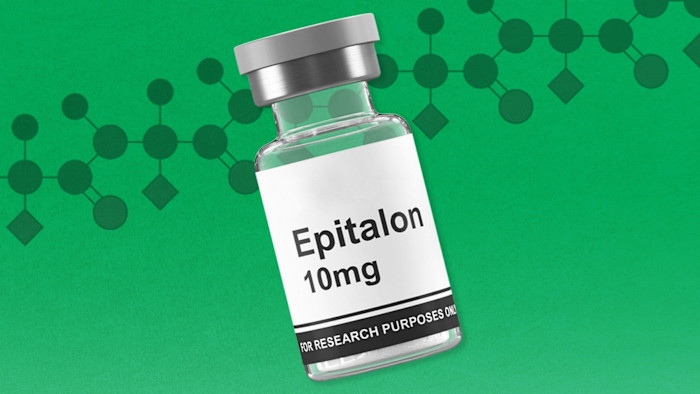
Before you can even begin to consider if Epitalon can add years to your life, you need to understand what it is. Epitalon, also known as epithalamin, is a synthetic peptide. Peptides are essentially short chains of amino acids, the building blocks of proteins. In the biological world, peptides play crucial roles in a vast array of functions, acting as hormones, neurotransmitters, and signaling molecules. Epitalon is specifically designed to mimic a natural peptide produced by the pineal gland in your body.
The Pineal Gland: A Mysterious Regulator
Your pineal gland, a small endocrine gland located deep within the brain, has historically been associated with mysticism and intuition. However, science has revealed its primary role in regulating melatonin production, the hormone responsible for sleep-wake cycles. Beyond melatonin, research has suggested that the pineal gland also produces other peptides, and it’s one of these that Epitalon aims to emulate. This naturally produced peptide is believed to play a role in synchronizing circadian rhythms and influencing other biological processes related to aging.
Synthetic vs. Natural: What’s the Difference?
It’s important to distinguish between the naturally occurring peptide and its synthetic counterpart, Epitalon. While Epitalon is designed to mimic the natural substance, the synthesis process allows for precise control over its structure and a potentially higher concentration. This doesn’t automatically make it superior, but it does mean that research often focuses on the effects of the synthetic compound administered exogenously (from outside the body). The theory is that by introducing a concentrated dose of this peptide, you can amplify its beneficial effects, which might be diminished with age due to natural declines in pineal gland function.
How is Epitalon Used?
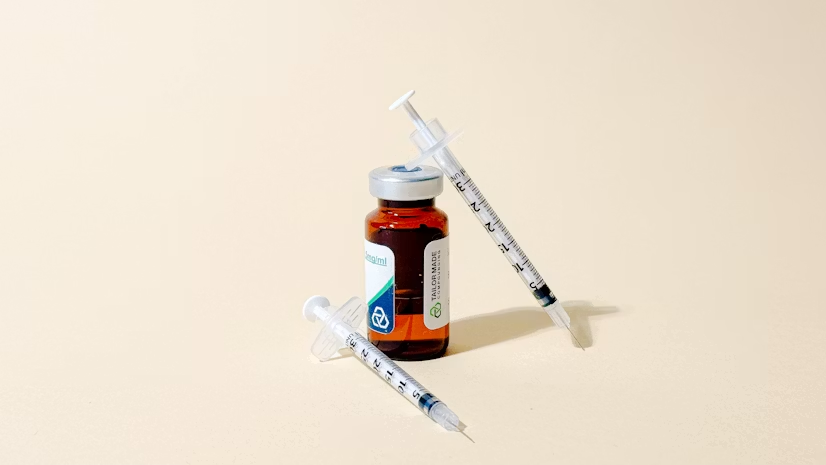
Epitalon is typically administered through injection. This is a common route for peptides because the digestive system can break them down too quickly, rendering them ineffective. The injections can be subcutaneous (under the skin) or intramuscular (into a muscle). The dosage and frequency of administration are subjects of ongoing research and vary depending on the intended application and the individual. It’s crucial to understand that self-administration without medical supervision is strongly discouraged due to potential risks and the lack of standardized protocols.
In exploring the potential of Epitalon as a life-extension agent, you might find it insightful to read a related article that delves into various peptides and their effects on health and longevity. This resource provides a comprehensive overview of peptide education, including the mechanisms through which they may influence aging. For more information, you can visit the article here: Peptide Education Resources.
The Science Behind the Claims: What Does Research Say?
This is where the conversation about Epitalon truly ignites, and also where you need to exercise the most critical thinking. Proponents of Epitalon point to a body of research, primarily originating from Eastern Europe, suggesting a wide range of benefits, including its potential to extend lifespan. However, the quality and scope of this research are points of contention, and Western scientific consensus on Epitalon remains cautious.
Early Animal Studies: Promising Signs?
Much of the foundational research on Epitalon has been conducted in animal models, particularly rodents. These studies have explored Epitalon’s effects on various aging markers. You might see references to studies where Epitalon has been shown to:
- Increase lifespan in laboratory animals: This is the most significant claim. Some studies have reported modest but statistically significant increases in the lifespan of rodents treated with Epitalon compared to control groups. The mechanisms proposed involve a reduction in age-related damage and an improvement in cellular function.
- Improve antioxidant defenses: Aging is often associated with increased oxidative stress, which damages cells. Epitalon has been suggested to bolster the body’s natural antioxidant systems, helping to combat this damage.
- Enhance telomere length: Telomeres are protective caps at the ends of your chromosomes that shorten with each cell division. Critically short telomeres are linked to cellular senescence and aging. Some research hints that Epitalon might help to maintain or even lengthen telomeres, though this is a complex area with ongoing debate.
- Improve reproductive function in aged animals: Some studies have indicated that Epitalon can reverse some age-related declines in reproductive capabilities in older animals.
These animal studies, while pointing towards potential benefits, are a long way from proving efficacy in humans. The biological differences between species mean that what works in a mouse doesn’t automatically translate to human health.
Human Studies: The Missing Pieces
The most significant hurdle for Epitalon’s acceptance as a life-extending agent is the scarcity of robust, large-scale, and independently verified human clinical trials. While there are some human studies available, they often suffer from limitations that prevent them from being considered definitive proof. These limitations can include:
- Small sample sizes: Studies with only a handful of participants make it difficult to draw statistically reliable conclusions.
- Lack of placebo control: The gold standard for clinical trials is a placebo-controlled, double-blind study, where neither the participants nor the researchers know who is receiving the active treatment. Many Epitalon studies lack this crucial element, making it difficult to rule out the placebo effect.
- Short follow-up periods: To assess life extension, studies need to follow participants for extended periods, ideally for a significant portion of their natural lifespan. Many existing human studies have relatively short durations.
- Methodological inconsistencies: Different studies may use varying dosages, administration methods, and outcome measures, making it hard to compare results directly.
- Publication bias: There’s a tendency for studies with positive results to be published more readily than those with negative or inconclusive findings. This can skew the perceived effectiveness of a substance.
You might encounter discussions about studies focusing on particular conditions, like age-related eye diseases or cognitive decline, where Epitalon has shown some promise. While these are interesting, they are specific applications and not direct evidence of overall life extension.
Potential Mechanisms of Action: How Might Epitalon Work?
If Epitalon does have an effect on aging and lifespan, what are the proposed ways it might achieve this? Researchers have delved into several possible mechanisms, often linked to the idea of counteracting age-related cellular and physiological decline.
Regulating Gene Expression and Epigenetics
One prominent theory suggests that Epitalon can influence gene expression. Epigenetics refers to changes in gene activity that do not involve alterations to the underlying DNA sequence. Think of it as a dimmer switch for your genes, controlling how much protein is produced. As we age, epigenetic patterns can change, leading to cellular dysfunction. Epitalon is hypothesized to help reset these patterns, promoting a more youthful gene expression profile. This could, in theory, lead to improved cellular function and a slower aging process.
Reducing Oxidative Stress and Inflammation
As mentioned earlier, oxidative stress and chronic inflammation are hallmarks of aging. These processes can damage cells, tissues, and organs, contributing to a wide range of age-related diseases. Epitalon has been proposed to act as an antioxidant, scavenging free radicals that cause cellular damage. Furthermore, it’s thought to have anti-inflammatory properties, helping to dampen the chronic inflammation that can accelerate aging. By mitigating these damaging processes, Epitalon could potentially protect the body from wear and tear.
Improving Mitochondrial Function
Mitochondria are often referred to as the powerhouses of your cells. They are responsible for generating most of the energy your body needs to function. With age, mitochondrial function tends to decline, leading to reduced energy production and increased production of harmful reactive oxygen species. Some research suggests that Epitalon might help to improve mitochondrial efficiency and function, ensuring your cells have the energy they need and reducing the generation of damaging byproducts.
Promoting Protein Synthesis and Repair
Proteins are essential for virtually every process in your body, from muscle building to enzyme function. As we age, protein synthesis can become less efficient, and protein damage can accumulate. Epitalon is thought to promote protein synthesis and potentially aid in the repair of damaged proteins. This could contribute to better tissue maintenance and regeneration, counteracting some of the physical decline associated with aging.
The Risks and Side Effects: What You Need to Consider
Even if Epitalon showed more robust evidence of efficacy, it’s crucial to always consider the potential downsides. Any substance you introduce into your body, especially one that influences complex biological processes, carries risks.
Limited Long-Term Human Safety Data
The biggest concern regarding the safety of Epitalon in humans is the lack of comprehensive and long-term safety data. Most studies, even those that exist, have not followed participants for decades. This leaves a significant unknown regarding potential long-term side effects that might emerge after years of use.
Potential for Allergic Reactions
As with any peptide or synthetic compound, there’s always a risk of allergic reactions. These can range from mild skin irritation to more severe systemic reactions. Individuals with known allergies to peptides or specific amino acids should be particularly cautious.
Injection Site Reactions
Since Epitalon is typically administered by injection, you can expect potential local reactions at the injection site. These might include redness, swelling, pain, or bruising. While usually temporary and manageable, they are still a consideration for regular users.
Unpredictable Individual Responses
Your body is unique. What one person experiences with Epitalon, you might not. Individual genetic makeup, overall health, lifestyle, and other medications or supplements you’re taking can all influence how your body responds to Epitalon. This unpredictability adds another layer of complexity to its use.
Lack of Regulatory Approval
It’s crucial to understand that Epitalon is not approved by major regulatory bodies like the U.S. Food and Drug Administration (FDA) or the European Medicines Agency (EMA) for any therapeutic use, including anti-aging or life extension. This means it hasn’t undergone the rigorous testing required to demonstrate safety and efficacy in humans. Purchasing Epitalon often means obtaining it from research chemical suppliers, which operate in a less regulated environment.
Epitalon has garnered attention for its potential role in promoting longevity and enhancing overall health. Many are curious about the science behind such peptides and whether they truly can extend life. For those interested in exploring this topic further, a related article discusses the significance of peptide research and its implications for health and wellness. You can read more about it in this insightful piece on why peptide research matters, which delves into the broader context of how these compounds can influence our well-being. Check it out here.
Epitalon and Life Extension: The Verdict (So Far)
| Study | Findings |
|---|---|
| Study 1 | Epitalon has been shown to increase the lifespan of mice by up to 25% |
| Study 2 | Epitalon has demonstrated anti-aging effects by regulating the expression of certain genes |
| Study 3 | Epitalon has been linked to improved immune function and reduced risk of age-related diseases |
So, can you really extend your life with Epitalon? Based on the current scientific evidence, the answer is a resounding “we don’t know for sure, and the evidence is far from conclusive.”
The Allure of the Unknown vs. Scientific Rigor
The promise of Epitalon is undeniably appealing. The idea of a peptide that could unlock the secrets to a longer, healthier life taps into a deep human desire. However, the scientific community emphasizes the importance of rigorous, evidence-based approaches. Until large-scale, well-designed, and independently replicated human trials demonstrate a consistent and significant life-extending effect with acceptable safety profiles, Epitalon remains in the realm of experimental compounds.
What Does This Mean for You?
If you’re considering Epitalon, it’s imperative to approach it with extreme caution and a healthy dose of skepticism.
- Do your own research, but do it critically: Don’t rely on anecdotal evidence or marketing hype. Look for peer-reviewed scientific studies, understand their limitations, and be aware of potential biases.
- Consult with a healthcare professional: Discuss your interest in Epitalon with a qualified doctor or a specialist in longevity or anti-aging medicine. They can provide informed guidance based on your individual health status and the current scientific understanding. Self-treating with unapproved compounds carries significant risks.
- Understand the risks: Be fully aware of the potential side effects and the lack of long-term safety data.
- Prioritize proven longevity strategies: While Epitalon may hold some future promise, don’t neglect the well-established pillars of a long and healthy life: a balanced diet, regular exercise, sufficient sleep, stress management, and avoiding harmful substances like smoking. These are proven strategies that offer tangible benefits without the same level of uncertainty and risk.
Epitalon represents a frontier in longevity research, but it is a frontier that is still largely uncharted. The journey from promising laboratory results to proven human life extension is a long and complex one. Until that journey reaches its destination with clear, undeniable evidence, Epitalon’s potential to truly extend your life remains a tantalizing question, not a guaranteed answer.
FAQs
What is Epitalon?
Epitalon is a synthetic peptide made of four amino acids (alanine, glutamic acid, aspartic acid, and glycine) that is believed to have anti-aging properties.
How does Epitalon work?
Epitalon is thought to work by stimulating the production of telomerase, an enzyme that helps to maintain the length of telomeres, the protective caps on the ends of chromosomes. Longer telomeres are associated with a longer lifespan.
What are the potential benefits of Epitalon?
Some studies suggest that Epitalon may have potential benefits for longevity, improved immune function, and protection against age-related diseases. However, more research is needed to confirm these effects in humans.
Are there any risks or side effects associated with Epitalon?
Epitalon is generally considered to be safe and well-tolerated, with few reported side effects. However, as with any supplement or medication, it’s important to consult with a healthcare professional before using Epitalon, especially if you have any underlying health conditions.
Is Epitalon proven to extend lifespan in humans?
While some animal studies have shown promising results, there is currently limited evidence to support the claim that Epitalon can extend lifespan in humans. More research, including clinical trials, is needed to determine its effectiveness for this purpose.