
What makes peptides stand out in the pursuit of better health, athletic performance, and longevity is their unique ability to act as precise messengers and modulators within biological systems. For health and fitness professionals across Canada, Europe, and beyond, understanding the remarkable versatility of these biologically integral biomolecules is key to supporting clients as they strive for optimal outcomes. This introduction highlights why peptide research matters for anti-aging strategies and performance enhancement, revealing how cutting-edge science is shaping the future of therapeutic interventions.
Table of Contents
- What Peptides Are And How They Work
- Key Types Of Research Peptides Today
- Mechanisms In Anti-Ageing And Fitness
- Legal, Safety, And Quality Considerations
- Potential Risks And Limitations Of Peptide Use
Key Takeaways
| Point | Details |
|---|---|
| Understanding Peptides | Peptides are short chains of amino acids that play vital roles in biological systems, acting as signalling molecules and metabolic regulators. |
| Therapeutic Potential | Research on therapeutic peptides highlights their ability to modulate complex physiological processes, making them valuable for various health interventions. |
| Regulatory Compliance | The development of peptide-based therapies requires stringent adherence to regulatory standards to ensure safety and scientific integrity. |
| Limitations | Peptide therapeutics face challenges such as rapid degradation and low bioavailability, necessitating innovative delivery methods to enhance their effectiveness. |
What Peptides Are And How They Work
Peptides are remarkable molecular structures that serve as fundamental communication and functional agents within biological systems. Biologically integral biomolecules play critical roles across nearly every physiological process, functioning as signalling molecules, structural components, and metabolic regulators.
At their core, peptides are short chains of amino acids linked through peptide bonds, typically ranging from two to fifty amino acids in length. Unlike larger proteins, these compact molecules can be derived through multiple pathways – either by direct expression from genetic sequences or through post-translational modifications of precursor proteins. Their compact size allows them extraordinary versatility, enabling precise interactions with cellular receptors and biological targets.
Therapeutic peptides represent an especially promising frontier in medical research, with molecular weights typically spanning 500-5000 Daltons. These sophisticated molecules demonstrate remarkable specificity when engaging with biological systems, making them increasingly valuable across multiple therapeutic domains. By targeting specific cellular mechanisms, peptides can potentially modulate complex physiological processes with unprecedented precision.
Research continues to expand our understanding of peptides’ potential, revealing their capacity to influence processes ranging from hormone regulation to immune response modulation. Their adaptability and targeted action make them a compelling area of scientific exploration.
Pro tip: When exploring peptide research, always prioritize understanding their specific molecular structure and intended biological interaction to comprehend their potential therapeutic applications.
Key Types Of Research Peptides Today
The landscape of peptide research encompasses multiple critical categories, each with unique therapeutic potential. Peptide drug development has advanced significantly, with over 40 clinically approved peptide therapeutics targeting diverse biological mechanisms such as hormone receptors, metabolic pathways, and genetic disease interventions.
Key research peptide categories include metabolic peptides, signalling peptides, and therapeutic peptides. Metabolic peptides like GLP-1 receptor agonists have demonstrated remarkable effectiveness in managing conditions such as diabetes and obesity. Signalling peptides focus on cellular communication, enabling precise modulation of complex physiological processes. Therapeutic peptide strategies have expanded to address challenges ranging from hormonal imbalances to cancer treatment, showcasing unprecedented medical versatility.
Another significant category involves bioactive peptides designed for specific receptor interactions. These peptides can function as hormone replacements, receptor modulators, or targeted intervention agents. Researchers continue exploring innovative peptide designs that offer greater stability, improved bioavailability, and enhanced therapeutic specificity.
Current peptide research emphasizes developing molecules with increased therapeutic potential, reduced side effects, and more targeted biological interactions. The field continues to evolve, promising groundbreaking medical interventions across multiple health domains.
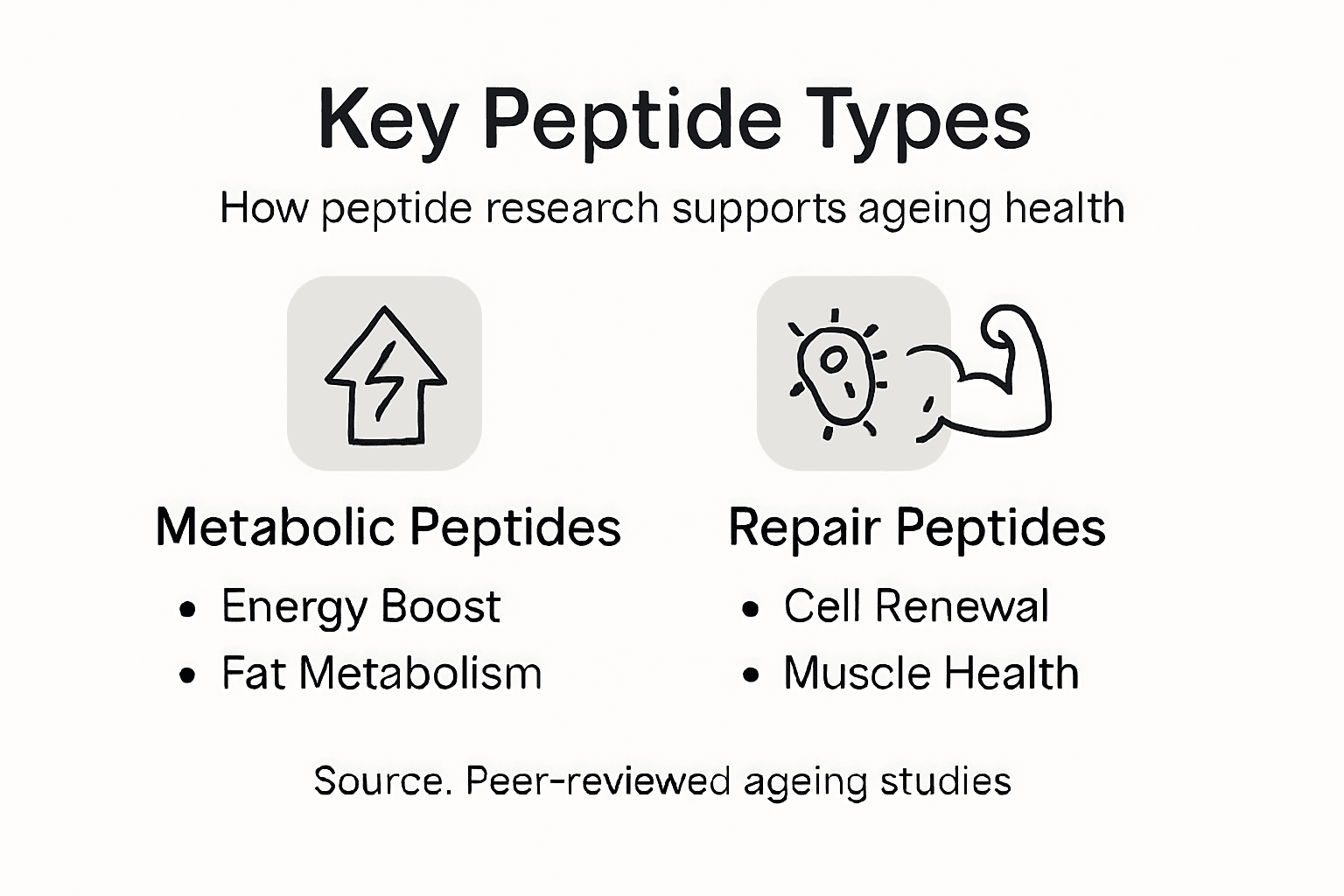
Here is a summary of key peptide categories in research and their main characteristics:
| Peptide Category | Main Role | Example Use |
|---|---|---|
| Metabolic Peptides | Regulate metabolism | Diabetes management with GLP-1 agonists |
| Signalling Peptides | Facilitate communication | Modulate cellular processes |
| Therapeutic Peptides | Target diseases | Cancer, hormonal imbalance therapies |
| Bioactive Peptides | Specific receptor interaction | Hormone replacement, immune modulation |
Pro tip: When evaluating research peptides, always consider their molecular structure, receptor specificity, and potential therapeutic applications to understand their true scientific value.
Mechanisms In Anti-Ageing And Fitness
Peptide research has unveiled profound insights into the intricate mechanisms of aging and fitness, offering promising strategies for cellular rejuvenation and performance enhancement. Anti-aging peptide research demonstrates remarkable potential in addressing key biological processes that contribute to age-related decline, including inflammatory responses, oxidative stress management, and metabolic function optimization.
Cellular repair mechanisms represent a critical frontier in anti-aging peptide research. These sophisticated molecular interventions target fundamental biological pathways, working to mitigate cellular damage, enhance mitochondrial function, and support genomic stability. Specific peptides can stimulate growth hormone production, improve muscle protein synthesis, and potentially reverse some age-associated cellular deterioration.

Fitness-oriented peptide interventions focus on enhancing physiological performance through targeted molecular strategies. These approaches include peptides that support muscle growth, accelerate recovery, modulate metabolic processes, and potentially reduce inflammation. By interacting with specific cellular receptors, these peptides can potentially optimize physical performance, support tissue regeneration, and promote more efficient metabolic functioning.
The intersection of anti-aging and fitness research continues to reveal increasingly sophisticated approaches to human physiological optimization. Computational tools and advanced molecular design techniques are expanding our understanding of how precisely targeted peptide interventions can support healthier, more resilient biological systems.
Pro tip: Always consult medical professionals before integrating peptide research findings into personal health or fitness strategies, as individual physiological responses can vary significantly.
Legal, Safety, And Quality Considerations
Research peptide development operates within a complex regulatory landscape that demands rigorous scientific and legal scrutiny. Regulatory challenges for peptides involve intricate classification protocols that position these molecules uniquely between small pharmaceutical compounds and larger protein structures.
Quality assurance represents a critical dimension of peptide research, with comprehensive evaluation processes mandating detailed characterization of molecular structures, potential impurities, and manufacturing protocols. Regulatory agencies like the Food and Drug Administration (FDA) impose stringent requirements that researchers must navigate, including comprehensive documentation of peptide purity, stability assessments, and exhaustive safety profiles.
Legal considerations extend beyond standard pharmaceutical regulations, encompassing complex ethical and scientific guidelines. Researchers must meticulously document every stage of peptide development, from initial molecular design through clinical testing phases. This involves maintaining transparency about potential molecular modifications, understanding potential interaction mechanisms, and providing clear evidence of therapeutic potential and minimal risk profiles.
The intersection of scientific innovation and regulatory compliance demands a multidisciplinary approach. Researchers must balance cutting-edge molecular design with robust safety protocols, ensuring that potential therapeutic peptides meet the highest standards of scientific integrity and patient safety.
Pro tip: Always maintain comprehensive documentation and stay current with evolving regulatory frameworks when conducting peptide research to ensure compliance and scientific credibility.
Potential Risks And Limitations Of Peptide Use
Peptide-based therapeutics represent a promising frontier in medical research, yet they come with significant challenges that researchers and clinicians must carefully navigate. Therapeutic peptide limitations encompass critical issues including short molecular half-life, inherent susceptibility to metabolic degradation, and potential immunogenicity that can substantially impact their clinical effectiveness.
Bioavailability challenges constitute a primary concern in peptide research. These sophisticated molecular structures often struggle with efficient absorption and sustained presence within biological systems. Peptides typically experience rapid enzymatic breakdown, limiting their therapeutic duration and requiring innovative delivery mechanisms to overcome these inherent physiological barriers. Antimicrobial peptide barriers highlight the complex landscape of translating promising molecular designs into practical medical interventions.
Safety considerations extend beyond molecular stability, encompassing potential off-target interactions and host toxicity risks. Researchers must meticulously evaluate each peptide’s interaction profile, understanding how these molecules might inadvertently trigger unintended physiological responses. The complexity of peptide design demands comprehensive testing to ensure minimal side effects and maximum therapeutic precision.
Advances in peptide chemistry continue to address these fundamental limitations, with emerging strategies focused on enhancing molecular stability, improving delivery mechanisms, and reducing potential immunogenic responses. These technological innovations represent a critical pathway toward realizing the full therapeutic potential of peptide-based treatments.
For quick reference, here are major limitations faced by peptide therapeutics:
| Limitation | Description | Impact on Therapy |
|---|---|---|
| Short Half-Life | Rapid breakdown in the body | Limits duration of effectiveness |
| Low Bioavailability | Poor absorption or retention | Requires advanced delivery methods |
| Immunogenicity | May trigger immune response | Risks side effects, reduces safety |
| Off-Target Effects | Affects unintended systems | Potential toxicity, adverse events |
Pro tip: Always consult multidisciplinary research teams and conduct extensive preclinical testing to comprehensively assess potential peptide risks before advancing to clinical stages.
Unlock the Power of Peptides for Healthier Ageing
Peptide research reveals game-changing solutions to the challenges of ageing by targeting key biological processes like cellular repair, metabolic regulation, and inflammation control. If you are seeking ways to support healthy ageing with scientifically backed peptides, understanding their precise molecular action can be your key advantage. At Northern Peptides, we offer a comprehensive range of research peptides and educational resources designed to help you explore these cutting-edge therapies with confidence and safety.

Dive into the future of wellness today by exploring our specialised selection on Uncategorized – Northern peptides. Visit our main site at Northern Peptides to access trusted peptide supplies and expert knowledge. Take the vital next step toward enhancing your health journey with peptide research tailored for longevity and vitality.
Frequently Asked Questions
What are peptides and how do they support healthy ageing?
Peptides are short chains of amino acids that play crucial roles in biological functions, including those related to ageing. They help regulate processes such as metabolism, immune response, and cellular repair, making them vital for promoting healthy ageing.
How can peptides help with fitness and performance?
Peptides can enhance muscle growth, accelerate recovery, and improve metabolic functioning. They interact with specific cellular receptors to optimize physical performance and support tissue regeneration, making them beneficial for fitness enthusiasts.
What are the potential risks associated with peptide use?
Peptide-based therapeutics may face challenges such as short half-life, low bioavailability, and potential immunogenicity. These factors can limit their effectiveness and require careful consideration in their development and usage.
Why is ongoing peptide research important for future health interventions?
Continued research into peptides is crucial as it opens pathways for new therapeutic strategies, addressing complex health issues like hormonal imbalances and age-related decline. This research could lead to innovative treatments that enhance overall well-being and longevity.