
Many struggle to choose the right anti-aging peptide among countless options. Some peptides excel at skin rejuvenation, while others target cellular longevity or metabolic health. This article breaks down four proven peptides, their unique mechanisms, and how to select the best match for your specific anti-aging goals. You’ll gain clear criteria to make confident, informed choices.
Table of Contents
- Selection Criteria For Anti-Aging Peptides
- GHK-Cu: Nature’s Regenerative Masterpiece
- Epithalon: Telomere Length And Cellular Longevity
- Argireline: Botox-Like Neuromodulation For Dynamic Wrinkles
- MOTS-C: Mitochondrial Support And Performance Recovery
- Comparison Of Peptides For Skin Rejuvenation
- Comparison Of Peptides For Longevity Support
- Accessibility And Cost Considerations
- Combination Strategies And Use-Case Mapping
- Summary And Situational Recommendations
- Explore Effective Anti-Aging Peptides At Northern Peptides
Key Takeaways
| Point | Details |
|---|---|
| Different peptides target specific aging pathways | GHK-Cu focuses on collagen synthesis, while Epithalon activates telomerase for longevity. |
| GHK-Cu excels at skin collagen and wrinkle reduction | Clinical studies show over 55% wrinkle volume reduction with enhanced collagen production. |
| Epithalon supports telomere length and cellular longevity | Activates telomerase enzyme to counter cellular aging at the genetic level. |
| Argireline offers a Botox-like effect topically | Reduces dynamic wrinkle depth by nearly 50% through neuromodulation without injections. |
| MOTS-c enhances mitochondrial function and recovery | Improves metabolic health markers and supports performance recovery through bioenergetic optimization. |
Selection Criteria for Anti-Aging Peptides
Choosing the right peptide requires understanding five core criteria. First, examine the biological mechanism. Does the peptide target collagen synthesis, telomerase activation, or mitochondrial function? Specificity matters because different aging pathways require different solutions.
Clinical evidence separates promising compounds from proven performers. Look for human studies with measurable outcomes, not just cellular research. Food-derived natural peptides show enhanced safety, stability, absorption, and biological activity compared to other anti-aging compounds.
Safety and absorption determine real-world effectiveness. Natural peptides generally offer better tolerability than synthetic alternatives. Topical peptides must penetrate skin barriers, while systemic peptides require proper delivery methods. Following peptide safety tips ensures responsible use.
Match peptides to your primary goal. Are you targeting visible skin aging or systemic longevity? Skin-focused users benefit from topical collagen boosters, while those seeking lifespan extension need systemic options that reach cellular machinery.
Cost and accessibility impact sustainability. Topical cosmetic peptides range from affordable to premium pricing, while systemic peptides often require clinical sourcing. Budget for ongoing use rather than single purchases.
Key Selection Factors:
- Mechanism specificity for your aging concern
- Clinical trial evidence in humans
- Safety profile and absorption characteristics
- Alignment with skin versus systemic goals
- Long-term cost feasibility
Pro Tip: Start with one peptide targeting your primary concern. Master its use and measure results before adding combinations. This approach helps you identify what actually works for your body.
GHK-Cu: Nature’s Regenerative Masterpiece
GHK-Cu stands out for its dual action on skin architecture. This copper peptide stimulates both collagen and elastin synthesis, the two proteins responsible for skin firmness and elasticity. Unlike single-action compounds, it orchestrates extracellular matrix remodeling for comprehensive rejuvenation.
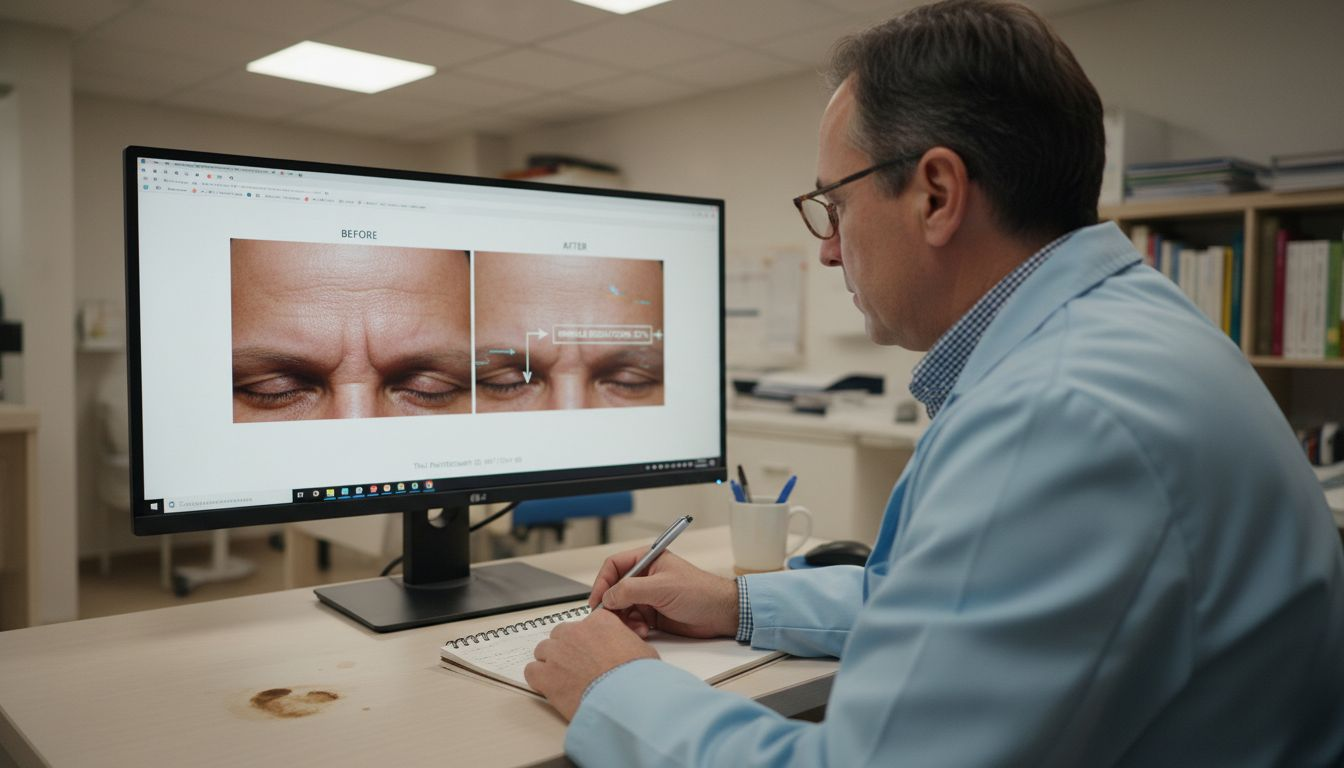
The clinical data impresses. GHK-Cu significantly reduces wrinkle volume by over 55% while stimulating collagen and elastin production. That’s not subtle improvement; it’s visible transformation. Most users notice smoother skin texture within weeks of consistent application.
What makes GHK-Cu particularly valuable is its effectiveness at ultra-low concentrations. You don’t need high percentages to see results. Formulations with 1-3% GHK-Cu deliver substantial benefits, making it cost-effective for daily use.
The peptide works through multiple pathways simultaneously. It attracts immune cells that clear damaged tissue, stimulates new blood vessel formation for better nutrient delivery, and directly activates genes involved in collagen production. This multi-target approach explains its superior performance compared to single-mechanism peptides.
Topical application suits most users perfectly. The peptide penetrates skin barriers effectively, reaching dermal layers where collagen synthesis occurs. No injections required, yet you achieve professional-grade results.
GHK-Cu Benefits:
- Wrinkle volume reduction exceeding 55%
- Enhanced collagen and elastin production
- Effective at low concentrations (1-3%)
- Multi-pathway regenerative action
- Excellent topical absorption
Pro Tip: Apply GHK-Cu serums to slightly damp skin after cleansing. Moisture enhances peptide penetration, maximizing its collagen-boosting effects. For comprehensive peptide uses for skin applications, explore targeted formulation strategies.
Epithalon: Telomere Length and Cellular Longevity
Epithalon operates at the genetic level, targeting telomeres—the protective caps on chromosomes that shorten with each cell division. When telomeres become critically short, cells stop dividing and enter senescence. This peptide activates telomerase, the enzyme that rebuilds telomere length, effectively resetting your cellular aging clock.
The mechanism is straightforward but profound. By upregulating telomerase activity, Epithalon shows clinical trial evidence for improved longevity and cellular function. Human studies demonstrate not just biochemical changes but actual mortality benefits, a rare achievement in anti-aging research.
Unlike cosmetic peptides, Epithalon requires systemic delivery. Topical application can’t reach the cellular machinery where telomerase operates. Most users rely on subcutaneous injection or clinical administration, which demands more commitment than applying a serum.
The peptide also influences circadian rhythm regulation and melatonin production, contributing to better sleep quality. Since sleep directly impacts cellular repair processes, this secondary benefit amplifies the longevity effects. Your body ages most during poor sleep, making this dual action particularly valuable.
Epithalon suits users focused on comprehensive aging intervention rather than cosmetic enhancement alone. If your goal is extending healthspan and potentially lifespan, the importance of peptide research becomes clear when examining telomerase activation data.
Epithalon Characteristics:
- Activates telomerase enzyme directly
- Clinical evidence for longevity benefits
- Requires injection or clinical sourcing
- Supports circadian rhythm and sleep quality
- Targets systemic aging at cellular level
Argireline: Botox-like Neuromodulation for Dynamic Wrinkles
Argireline mimics Botox’s wrinkle-smoothing action without needles. The peptide blocks SNARE complex formation, preventing neurotransmitters from triggering muscle contractions. When facial muscles contract less, expression lines soften. It’s neuromodulation through skincare.
Clinical studies demonstrate impressive results. Argireline reduces dynamic wrinkle depth by nearly 50% but has limited skin absorption impairing efficacy. That limitation matters because not all applied peptide reaches target nerve-muscle junctions. Formulation quality significantly impacts real-world performance.
The appeal lies in convenience and safety. No appointments, no injections, no downtime. You apply it like any serum, focusing on areas where expression lines form—forehead, crow’s feet, smile lines. Results accumulate gradually over weeks rather than appearing overnight.
Argireline works best on dynamic wrinkles caused by repeated muscle movements. It won’t address static wrinkles from collagen loss or sun damage. For comprehensive anti-aging, many users combine it with collagen-boosting peptides like GHK-Cu.
Affordability makes Argireline accessible. Most formulations cost less than clinical Botox treatments, allowing consistent long-term use. While absorption challenges prevent it from matching injectable neuromodulators’ potency, it offers meaningful improvement for those preferring non-invasive options.
Argireline Properties:
- Blocks neurotransmitter release like Botox
- Nearly 50% dynamic wrinkle depth reduction
- Topical application, non-invasive
- Limited absorption compared to injections
- Affordable for sustained use
For additional Argireline uses in beauty applications, explore combination approaches with complementary peptides.
MOTS-c: Mitochondrial Support and Performance Recovery
MOTS-c represents the newest frontier in anti-aging peptides. This mitochondrial-derived peptide enhances cellular energy production by optimizing mitochondrial function. Since mitochondria power every cell in your body, improving their efficiency creates systemic benefits.
The peptide activates metabolic pathways that improve glucose utilization and fat oxidation. This translates to better energy levels, enhanced exercise capacity, and improved recovery from physical stress. Athletes notice performance gains, while general users experience sustained daily energy.
Research indicates MOTS-c may influence longevity through metabolic optimization. By maintaining mitochondrial health, it helps cells resist age-related decline. While the longevity data remains emerging compared to Epithalon’s established evidence, early findings show promise.
MOTS-c also demonstrates anti-inflammatory effects and may protect against metabolic diseases associated with aging. These systemic benefits extend beyond simple performance enhancement, suggesting broader health optimization potential.
Like Epithalon, MOTS-c requires systemic delivery for effectiveness. Most research uses injection protocols, though developing formulations may improve accessibility. Users interested in peptide therapy for recovery find MOTS-c particularly relevant for performance-focused anti-aging.
MOTS-c Features:
- Enhances mitochondrial bioenergetics
- Improves metabolic health markers
- Supports muscle recovery and performance
- Emerging longevity research data
- Requires systemic delivery method
Comparison of Peptides for Skin Rejuvenation
GHK-Cu and Argireline both reduce wrinkles but through completely different mechanisms. GHK-Cu rebuilds skin structure by stimulating collagen synthesis, while Argireline relaxes muscles to prevent wrinkle-forming contractions. This fundamental difference determines which peptide suits your specific skin concerns.
| Feature | GHK-Cu | Argireline |
|---|---|---|
| Wrinkle Reduction | 55%+ volume reduction | Nearly 50% depth reduction |
| Mechanism | Collagen synthesis stimulation | Neuromodulation (Botox-like) |
| Absorption | Good dermal penetration | Limited skin absorption |
| Target | Static and dynamic wrinkles | Dynamic expression lines |
| Cost Range | $30-80 per serum | $20-50 per serum |
Absorption differences significantly impact results. GHK-Cu penetrates effectively, reaching collagen-producing cells in the dermis. Argireline faces absorption challenges, limiting how much active peptide reaches nerve-muscle junctions. Formulation technology helps, but the gap remains.
Your wrinkle type determines the better choice. Static wrinkles from collagen loss respond best to GHK-Cu. Dynamic lines from facial expressions benefit more from Argireline. Many users combine both, addressing multiple aging mechanisms simultaneously.
Topical peptide cosmetic prices range widely; systemic peptides cost more and have sourcing challenges. For skin-focused peptides, the investment remains manageable for most budgets.
Selection Guidelines:
- Choose GHK-Cu for overall skin structure and collagen loss
- Select Argireline for expression lines and muscle-related wrinkles
- Consider combining both for comprehensive wrinkle management
- Prioritize quality formulations that enhance absorption
- Budget for consistent 3-month trials to assess effectiveness
Pro Tip: Layer peptides by molecular weight. Apply smaller peptides like GHK-Cu first, then larger ones like Argireline. This sequencing optimizes penetration. Learn more about optimizing peptide use through strategic application techniques.
Comparison of Peptides for Longevity Support
Epithalon and MOTS-c both target systemic aging but at different cellular levels. Epithalon activates telomerase to maintain genetic stability, while MOTS-c optimizes mitochondrial energy production. Both approaches have merit, supported by distinct research.
| Feature | Epithalon | MOTS-c |
|---|---|---|
| Primary Mechanism | Telomerase activation | Mitochondrial optimization |
| Clinical Evidence | Strong human longevity data | Emerging metabolic research |
| Delivery Method | Injection or clinical sourcing | Injection protocols |
| Timeline | Long-term cellular protection | Metabolic and performance gains |
| Research Status | Established with decades of study | Newer with growing evidence |
Epithalon shows strong clinical evidence for telomerase activation and longevity; MOTS-c offers emerging mitochondrial support benefits. The evidence gap matters when choosing where to invest time and resources.
Delivery requirements create practical considerations. Both peptides need injection or clinical administration, limiting accessibility compared to topical options. This reality means systemic longevity peptides demand greater commitment.
Some users combine both peptides, reasoning that telomere maintenance and mitochondrial health address complementary aging pathways. While research on combination protocols remains limited, the theoretical synergy appeals to those pursuing comprehensive intervention.
Decision Framework:
- Choose Epithalon for maximum longevity evidence and telomere focus
- Select MOTS-c for metabolic health and performance benefits
- Consider age; younger users may prioritize metabolic optimization
- Evaluate research status comfort; some prefer established data
- Assess access to clinical-grade sourcing and administration
Explore peptide longevity trends to understand evolving research and emerging combination protocols.
Accessibility and Cost Considerations
Pricing varies dramatically between peptide categories. Topical cosmetic peptides like GHK-Cu and Argireline typically cost $20 to $100 per bottle, providing one to three months of use. These fit most skincare budgets without significant financial strain.
Systemic peptides present different economics. Epithalon and MOTS-c require clinical sourcing or prescription access, often costing several hundred dollars per treatment cycle. The higher price reflects production complexity, purity requirements, and limited distribution channels.
Cost and accessibility vary widely; topical cosmetic peptides are affordable, while systemic peptides are pricier and often require prescriptions or research access. This reality shapes practical decision-making.
Unregulated markets create risks. Some suppliers offer suspiciously cheap systemic peptides, raising authenticity and purity concerns. Counterfeit or contaminated peptides pose health risks that far outweigh any cost savings. Quality matters more than price.
Balancing cost with clinical efficacy requires honest assessment. A $30 topical peptide with solid evidence may deliver better value than a $200 systemic peptide with limited personal relevance. Match spending to your priority aging concerns.
Cost Management Strategies:
- Start with affordable topical peptides to test response
- Verify supplier reputation and testing documentation
- Calculate cost per day rather than per bottle
- Prioritize peptides with strongest evidence for your goals
- Budget for consistent use; sporadic application wastes money
Purchase from the peptide accessibility and safety verified sources to ensure product quality and avoid counterfeit risks.
Combination Strategies and Use-Case Mapping
Combining peptides allows you to address multiple aging pathways simultaneously. A strategic approach pairs skin-focused peptides with systemic longevity compounds, creating comprehensive anti-aging coverage.
Consider this scenario: Apply GHK-Cu topically for collagen synthesis while using Epithalon systemically for telomere maintenance. The topical peptide handles visible aging, while the systemic option addresses cellular longevity. No overlap, maximum coverage.
Personalization depends on age and priorities. Someone in their 30s might combine Argireline for early expression lines with MOTS-c for metabolic optimization. A person in their 50s might prioritize GHK-Cu for collagen loss and Epithalon for cellular aging.
Lifestyle factors influence choices too. Athletes benefit from MOTS-c’s recovery support combined with GHK-Cu for tissue repair. Desk workers focused on cognitive longevity might pair Epithalon with circulation-supporting peptides.
Emerging research explores synergistic effects between peptides. Some evidence suggests combining collagen-stimulating and neuromodulating peptides produces superior wrinkle reduction compared to either alone. However, systematic combination studies remain limited.
Suggested Combinations by Goal:
- Wrinkle reduction: GHK-Cu plus Argireline for structural and neuromuscular effects
- Longevity focus: Epithalon plus MOTS-c for telomere and mitochondrial health
- Athletic performance: MOTS-c plus recovery-supporting peptides for comprehensive support
- Comprehensive anti-aging: GHK-Cu topically with Epithalon systemically for visible and cellular benefits
Pro Tip: Introduce combinations gradually, adding one peptide at a time. This approach lets you isolate effects and identify any interactions. Rushing into multi-peptide regimens makes troubleshooting difficult. Always consult healthcare providers before systemic peptide combinations, especially with existing health conditions. Learn more about combined peptide therapy protocols.
Summary and Situational Recommendations
GHK-Cu emerges as the premier choice for skin rejuvenation. Its proven 55%+ wrinkle reduction, combined with excellent absorption and collagen-boosting action, makes it ideal for addressing visible aging. Most users see noticeable improvements within 4 to 8 weeks.
Epithalon stands alone for cellular longevity. The telomerase activation mechanism and clinical longevity evidence make it the strongest option for those prioritizing lifespan extension over cosmetic concerns. Commitment to injection protocols is required.
Argireline offers the most accessible Botox alternative. While absorption limitations prevent it from matching injectable neuromodulators, its 50% wrinkle depth reduction and topical convenience appeal to users seeking non-invasive options. Best for dynamic expression lines.
MOTS-c targets metabolic health and performance. Athletes and active individuals gain the most from its mitochondrial optimization effects. The emerging longevity research adds future potential beyond immediate performance benefits.
Your decision framework should prioritize primary concerns. Ask yourself: Is visible skin aging or internal cellular aging my main worry? Do I prefer topical convenience or systemic effectiveness? What’s my realistic budget for ongoing use?
Practical Next Steps:
- Identify your primary aging concern (skin, longevity, performance)
- Start with one peptide matching that concern
- Source from verified suppliers with testing documentation
- Commit to 12-week trials for accurate assessment
- Track results with photos or biomarkers
- Adjust based on measured outcomes, not marketing claims
Use the peptide concentration guide to optimize dosing when formulating personal protocols.
Explore Effective Anti-Aging Peptides at Northern Peptides
Now that you understand peptide selection criteria and specific options, explore quality compounds matched to your goals. Northern Peptides offers research-grade peptides with transparent sourcing and detailed specifications. Whether you’re targeting skin rejuvenation or systemic longevity, the catalog provides options backed by scientific evidence.

Access comprehensive guides on the information page on peptides to deepen your understanding of mechanisms and applications. Use the peptide concentration calculator to determine precise dosing for your protocols. Browse the research peptide catalog to find compounds that align with your anti-aging strategy.
FAQ
What are anti-aging peptides and how do they work?
Anti-aging peptides are short chains of amino acids that signal cells to perform specific functions like collagen production or telomere maintenance. They work by binding to cellular receptors and activating biological pathways that counter aging processes. Different peptides target distinct mechanisms, from skin structure to genetic stability.
Can I use multiple peptides together safely?
Yes, multiple peptides can complement each other when targeting different aging pathways without overlapping mechanisms. For example, combining topical GHK-Cu with systemic Epithalon addresses both visible and cellular aging. However, always introduce peptides one at a time to monitor individual effects. Consult healthcare professionals before combining systemic peptides, especially with pre-existing conditions. Learn more about peptide therapy safety protocols.
How do topical peptides compare to injectable peptides?
Topical peptides generally target skin surface structures with varying absorption rates into deeper layers. They work well for cosmetic concerns like wrinkles and collagen loss. Injectable peptides reach systemic circulation, accessing cellular machinery throughout the body for broader anti-aging effects. The choice depends on whether your primary goal is skin appearance or internal cellular health.
Are anti-aging peptides safe for long-term use?
Well-studied peptides like GHK-Cu and Epithalon show good long-term safety profiles when sourced properly and used responsibly. Natural peptides derived from food sources generally demonstrate better tolerability than synthetic alternatives. The critical factors are verified supplier sourcing, appropriate dosing, and monitoring for individual responses. Always follow peptide safety tips for responsible long-term use.