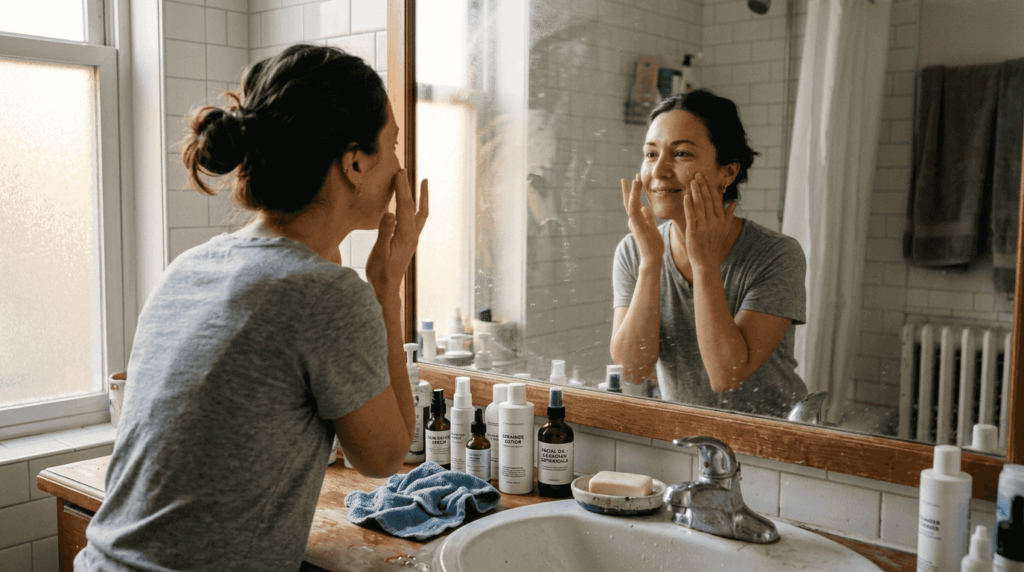
Many skincare enthusiasts assume peptides and proteins are interchangeable terms for the same skin-boosting ingredients. Understanding the distinct roles each molecule plays transforms how you approach anti-aging and skin health. Peptides act as cellular messengers triggering collagen production, whilst proteins provide structural integrity and enzymatic support that maintains your skin barrier.
Table of Contents
- What Are Peptides And How Do They Work In Skincare?
- Understanding Proteins And Their Skin Roles
- Key Differences Between Peptides And Proteins In Beauty Applications
- How Peptides And Proteins Support Skin Health And Anti-Aging
- Explore Peptide Solutions For Your Skincare Needs
- Frequently Asked Questions
Key takeaways
| Point | Details |
|---|---|
| Peptides are cellular messengers | Short amino acid chains signal skin cells to boost collagen and elastin production for firmer, younger-looking skin. |
| Proteins provide structural support | Large molecules composed of thousands of amino acids maintain skin barrier function and facilitate enzymatic reactions. |
| Size determines penetration depth | Peptides penetrate deeper skin layers due to smaller molecular size, whilst proteins primarily work at surface level. |
| Combining both maximises benefits | Peptide serums stimulate collagen synthesis whilst protein-rich formulations support barrier repair and recovery. |
| Clinical results show measurable improvement | Topical peptides can increase collagen synthesis by up to 30% within weeks of consistent use. |
What are peptides and how do they work in skincare?
Peptides are short chains of amino acids ranging from 2 to 50 units that function as biological messengers in your skin. These compact molecules slip through the skin barrier and communicate directly with cells to trigger specific responses. When peptides reach target cells, they bind to receptors and signal the production of essential proteins like collagen and elastin.
The science behind peptide signalling reveals their remarkable precision. Matrixyl, one of the most studied peptides in beauty, demonstrates how these molecules reduce wrinkles by stimulating fibroblasts to manufacture fresh collagen. Your skin responds to these signals by ramping up its natural repair mechanisms, resulting in improved firmness and elasticity over time.
Peptides deliver advantages that larger molecules cannot match:
- Small molecular size allows penetration past the stratum corneum
- Targeted signalling activates specific cellular pathways
- Minimal irritation compared to harsher anti-aging ingredients
- Compatible with sensitive skin types
The beauty industry has embraced peptides for their ability to work with your skin’s natural processes rather than forcing dramatic changes. Different peptide types serve distinct purposes, from copper peptides that accelerate wound healing to signal peptides that boost collagen production. Understanding common peptide uses in beauty helps you select formulations aligned with your specific skin goals.
Pro tip: Look for peptide concentrations between 3-5% in serums and ensure the formulation includes stabilising ingredients that protect peptides from degradation. Combining peptides with ingredients like niacinamide or hyaluronic acid enhances their effectiveness whilst maintaining skin hydration. Research shows peptides for longevity benefits extend beyond surface improvements to support deeper cellular health.
Understanding proteins and their skin roles
Proteins represent the structural foundation of healthy skin, composed of hundreds or thousands of amino acids arranged in complex three-dimensional shapes. These large molecules perform multiple functions that maintain skin integrity and support daily repair processes. Unlike peptides that signal change, proteins actively build and maintain the physical architecture of your skin.
Collagen stands as the most abundant structural protein providing mechanical strength and elasticity to skin tissue. This protein forms a dense network in the dermal layer, creating the firmness you associate with youthful skin. Elastin works alongside collagen, allowing skin to stretch and return to its original shape after facial expressions or movement.
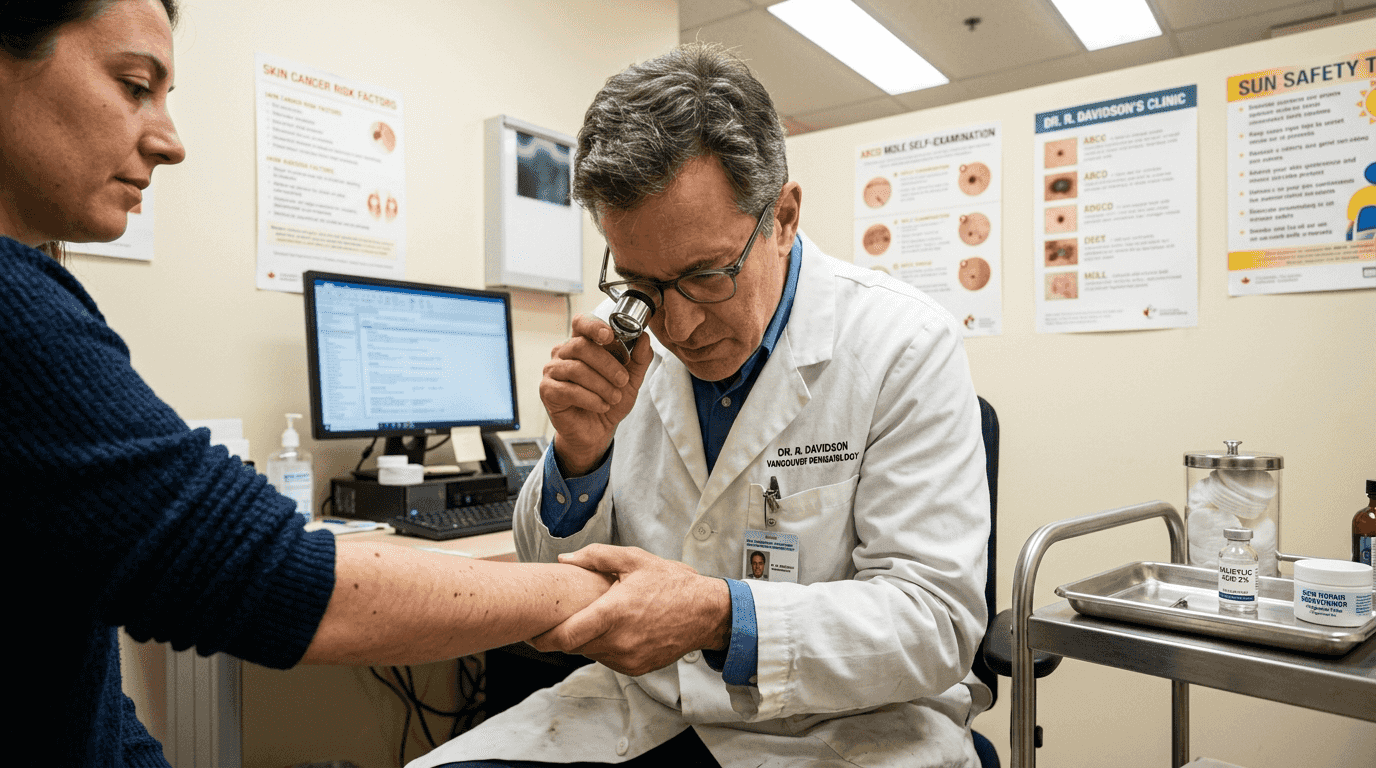
Enzymatic proteins facilitate the chemical reactions essential for skin barrier maintenance and cellular turnover. These proteins break down damaged cells, synthesise new structural components, and regulate moisture levels within skin layers. Without adequate protein activity, your skin loses its ability to repair environmental damage or maintain optimal hydration.
Key protein functions in skin health include:
- Building blocks for dermal matrix and cellular structures
- Enzymatic catalysis for metabolic skin processes
- Transport molecules delivering nutrients to cells
- Immune defence proteins protecting against pathogens
The relationship between protein biology and visible skin quality becomes apparent as we age. Natural protein synthesis slows, leading to thinner skin, reduced elasticity, and increased vulnerability to damage. LED therapy and other modern treatments work by supporting protein synthesis and remodelling processes that keep skin resilient. Exploring advantages of novel peptides reveals how smaller molecules can stimulate the production of these essential structural proteins.
Key differences between peptides and proteins in beauty applications
The molecular size gap between peptides and proteins fundamentally shapes how each functions in skincare formulations. Peptides contain short amino acid sequences that easily navigate through skin layers, whilst proteins remain too large to penetrate beyond the surface. This size difference determines whether an ingredient signals cellular change or provides topical protection.
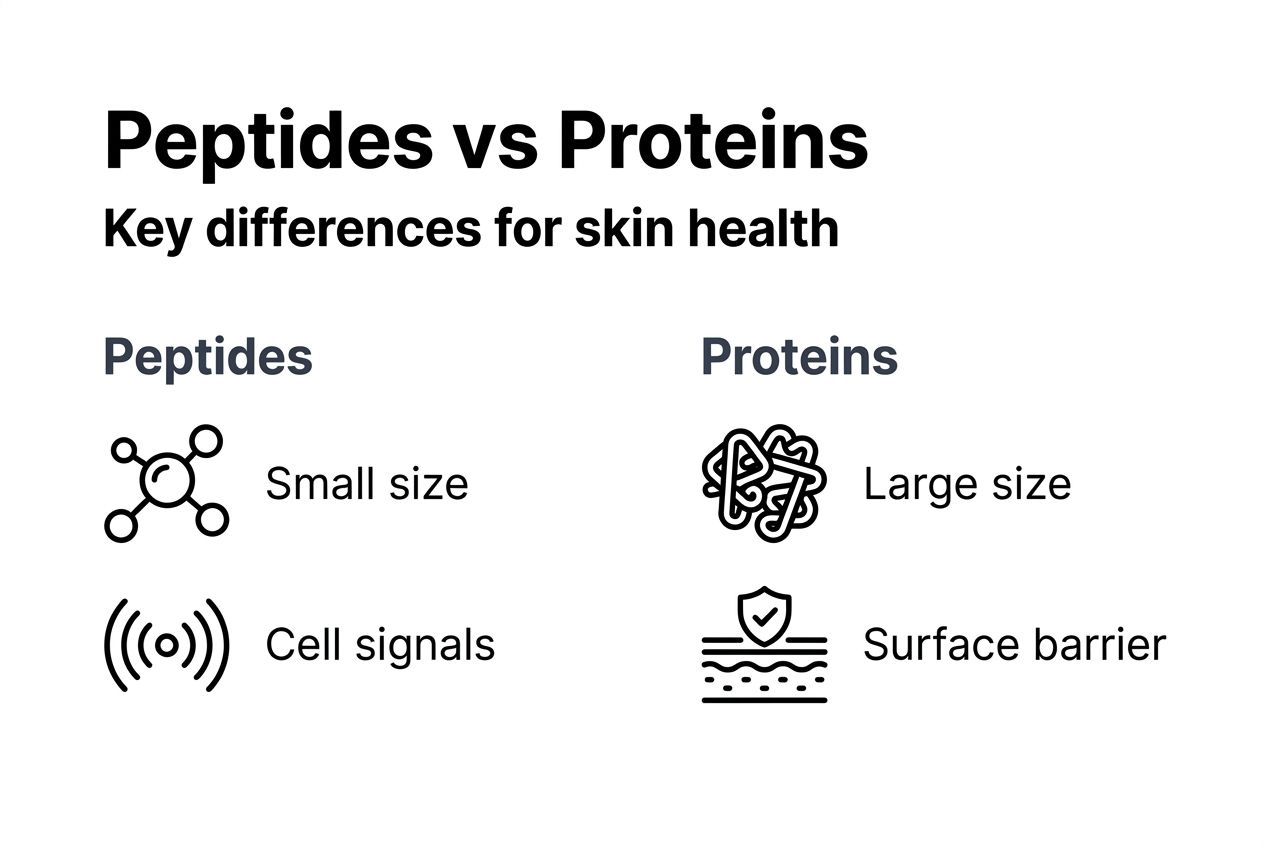
Penetration capabilities create distinct application strategies. Peptides reach deeper skin layers where collagen synthesis occurs, delivering their signalling messages directly to fibroblasts. Proteins work at the epidermis level, forming protective films and supporting the moisture barrier without entering living tissue.
| Characteristic | Peptides | Proteins |
|---|---|---|
| Size | 2-50 amino acids | 100-10,000+ amino acids |
| Penetration | Deep dermal layers | Surface and upper epidermis |
| Primary function | Cellular signalling and stimulation | Structural support and enzymatic activity |
| Anti-aging mechanism | Triggers collagen production | Maintains barrier and provides immediate structure |
| Stability | Requires careful formulation | Generally more stable |
| Speed of results | 4-12 weeks for visible changes | Immediate surface benefits |
Functional roles diverge significantly between these molecules. Peptides act as biological switches, instructing cells to manufacture specific proteins or halt destructive enzyme activity. They prevent collagen breakdown by inhibiting matrix metalloproteinases, enzymes that degrade the dermal matrix. Proteins contribute structural integrity and facilitate metabolic reactions essential for barrier function.
Anti-aging impacts reveal complementary strengths:
- Peptides stimulate new collagen synthesis from within
- Proteins provide immediate plumping and barrier reinforcement
- Peptides reduce inflammation that accelerates aging
- Proteins shield skin from environmental stressors
Clinical evidence demonstrates peptides can boost collagen production by 30% when applied consistently over eight weeks. This measurable increase translates to visible improvements in skin firmness and wrinkle depth. Understanding anti-aging peptides proven for skin longevity helps you identify effective formulations backed by research.
Pro tip: Layer peptide serums under moisturisers containing proteins for comprehensive anti-aging support. Apply peptides first to ensure deep penetration, then seal with protein-rich creams that protect and hydrate. This strategic approach combines cellular stimulation with surface protection, addressing multiple aging mechanisms simultaneously. Research on peptide therapy for anti-aging confirms this layered strategy delivers superior outcomes compared to single-ingredient approaches.
How peptides and proteins support skin health and anti-aging
Peptides deliver transformative anti-aging benefits by stimulating your skin’s natural collagen and elastin production pathways. Clinical research shows topical peptides like Palmitoyl Pentapeptide-4 reduce fine lines by signalling fibroblasts to increase protein synthesis. This cellular communication reverses visible signs of aging without invasive procedures or harsh chemicals.
Proteins maintain the structural integrity that keeps skin smooth and resilient against daily stressors. The collagen network in your dermis provides mechanical support, whilst enzymatic proteins facilitate repair processes after UV exposure or inflammation. Together, these large molecules form the foundation that peptides work to strengthen and rebuild.
Real-world applications demonstrate the practical power of peptide-protein synergy. Studies reveal Q-peptide hydrogel accelerates healing after microneedling procedures whilst reducing post-treatment inflammation. This angiopoietin-1 derived peptide promotes blood vessel formation and tissue regeneration, cutting recovery time significantly compared to standard aftercare.
Age-related collagen decline creates urgency for peptide intervention:
- Collagen production drops 1% annually after age 30
- By age 40, synthesis decreases by 25% from peak levels
- Visible sagging and wrinkles emerge as structural proteins diminish
- Peptide supplementation helps restore youthful synthesis rates
Incorporating peptide-protein skincare into your routine requires strategic timing and product selection. Follow these steps for optimal results:
- Cleanse skin thoroughly to remove barriers blocking peptide penetration
- Apply peptide serum to damp skin for enhanced absorption
- Wait 60-90 seconds for peptide penetration before next layer
- Follow with protein-rich moisturiser to seal and protect
- Use consistently for 8-12 weeks to achieve measurable improvements
- Combine with sunscreen daily to prevent collagen degradation
The science behind these molecules explains why professional aestheticians prioritise both in treatment protocols. Peptides address the root cause of aging by reactivating dormant cellular processes, whilst proteins provide immediate barrier support and hydration. Understanding importance of peptide research reveals ongoing discoveries that expand treatment possibilities for age-related skin changes. Learning about optimal peptide intake for anti-aging helps you maximise benefits whether using topical or systemic approaches.
Explore peptide solutions for your skincare needs
Northern Peptides provides research-grade peptides and educational resources that empower informed skincare decisions. Whether you’re formulating custom serums or exploring peptide science, their comprehensive catalogue offers compounds backed by clinical research. The platform connects skincare enthusiasts with high-quality ingredients and the knowledge needed to use them effectively.

Navigating peptide selection becomes straightforward with tools like the peptide concentration calculator that determines optimal dosing for your formulations. This resource eliminates guesswork, ensuring you achieve therapeutic concentrations without waste or ineffectiveness. Detailed product descriptions on each peptide help you match specific compounds to your skin goals, from wrinkle reduction to barrier repair.
Exploring the research peptide catalog reveals the breadth of options available for beauty applications and skin health optimisation. Each listing includes molecular specifications, suggested concentrations, and relevant research citations that support informed purchasing decisions. Additional resources on the information page provide formulation guidance and safety considerations for working with research-grade compounds.
Frequently asked questions
What makes peptides different from proteins in skincare?
Peptides are short amino acid chains that penetrate skin and signal cellular processes, whilst proteins are large molecules that provide structural support and remain on the skin surface. The smaller size allows peptides to trigger collagen production from within, whereas proteins form protective barriers and deliver immediate plumping effects.
Can peptides replace proteins in an anti-aging routine?
Peptides and proteins serve complementary rather than interchangeable roles in skincare. Peptides stimulate long-term improvements by boosting collagen synthesis, whilst proteins offer immediate barrier protection and hydration. Combining both approaches delivers comprehensive anti-aging benefits that address multiple mechanisms of skin aging simultaneously.
How long before peptide skincare shows visible results?
Most people notice measurable improvements in skin firmness and wrinkle depth after 8-12 weeks of consistent peptide use. Clinical studies demonstrate collagen synthesis increases within four weeks, though visible surface changes require additional time as new proteins accumulate in the dermal matrix. Patience and consistent application prove essential for achieving optimal outcomes.
Do proteins in skincare products actually penetrate the skin?
Large protein molecules cannot penetrate intact skin barriers due to their molecular size. Topical proteins work by forming protective films on the epidermis, providing immediate moisture retention and temporary smoothing effects. For deeper collagen support, peptides that signal protein synthesis offer more effective penetration and long-term structural improvements.
Which peptides work best for anti-aging and skin firmness?
Palmitoyl pentapeptide-4, copper peptides, and matrixyl demonstrate strong clinical evidence for reducing wrinkles and boosting collagen production. Argireline helps relax facial muscles to prevent expression lines, whilst signal peptides specifically target fibroblast activity. Selecting peptides based on your primary concerns ensures targeted results backed by scientific research.