
Description
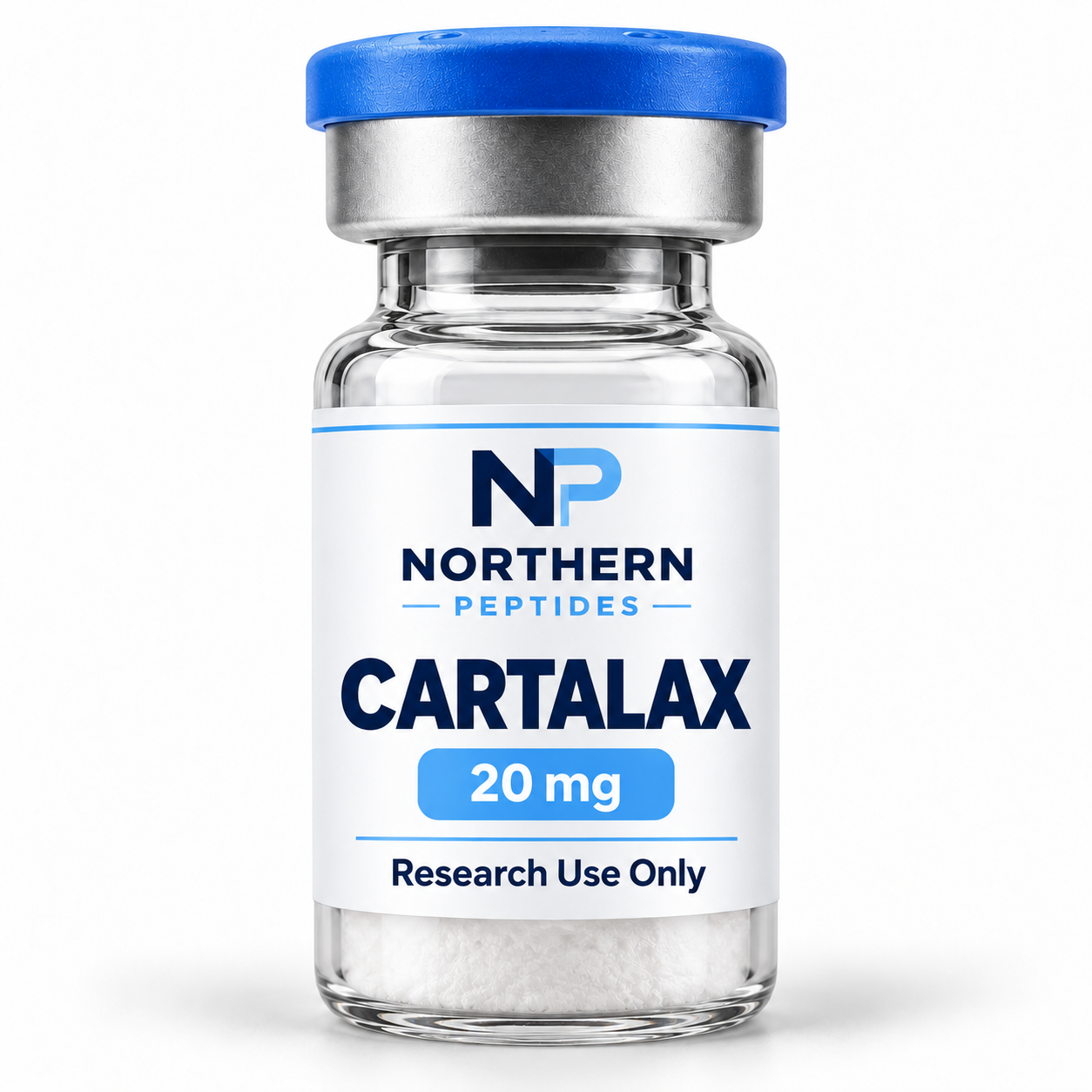
Cartalax 20mg: research overview
Cartalax 20mg is a short synthetic peptide associated with peptide-signalling research. The listed presentation is intended as a laboratory research reference, not a finished medicine or a product for personal use.
This overview identifies the supplied format and explains the scientific questions relevant to its characterization. The primary identifier, cartalax 20mg, should match the product label and any accompanying lot documents.
Research findings depend on the actual compound identity, method and experimental system.
Key features and scientific context
The product listing identifies the research presentation as Cartalax 20mg. In this field, investigators may explore short-peptide identity, sequence analysis and cell-model methods.
A 20mg label describes the vial content rather than analytical purity. Those are different questions from whether a compound is clinically effective or safe.
Models, controls, measurable endpoints and suitable reference standards should be defined independently before a result is interpreted. Results from one assay or molecular form cannot automatically be generalized to another.
Identity, quality and testing
For this material, the important documentation question is sequence characterization and analytical method suitability. A useful lot record may identify the substance, nominal quantity, batch number, test method and date.
Where available, review certificates of analysis and their actual methods; a label, a stated purity percentage or a generic test badge is not by itself proof that a specific lot passed a specific assay. No independent test result or numerical purity guarantee is asserted here.
The identity and test report should agree with the package.
Storage and records
Follow the conditions printed on the product label or stated in verified lot documentation. Avoid assuming that every lyophilized peptide, glycoprotein, blend or aqueous solution has identical storage requirements.
Track receipt dates, container condition, lot identifiers and any recorded deviations. Protect research material from unvalidated temperature changes, repeated handling and possible contamination according to the applicable laboratory procedure.
If the label and documentation conflict, clarify the discrepancy before treating the material as validated.
cartalax 20mg: analytical characterization
For a Cartalax 20mg research listing, a labelled quantity identifies the nominal presentation rather than an independently established purity, activity or outcome. A useful analytical record connects the stated identifier to a specific method, standard, sample and batch.
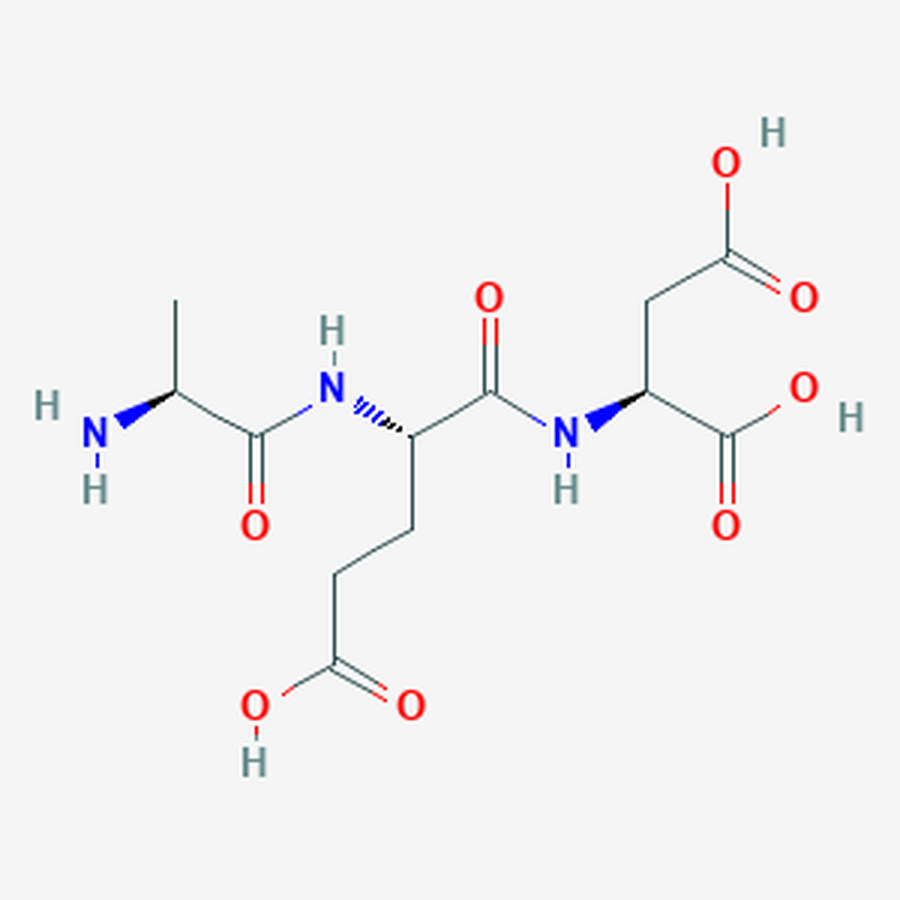
Cartalax is associated with short-peptide research, commonly described by the sequence Ala-Glu-Asp. In a three-residue molecule, confirmation of sequence order and chemical form is essential because a shared mass is not a complete structural fingerprint.
Short tripeptide structure and background
A carefully selected combination of chromatographic retention, high-resolution mass measurements and reference comparison can address identity. Mechanistic gene-expression hypotheses need independent cell-model controls and should not be confused with proven cartilage restoration.
Comparative research and literature
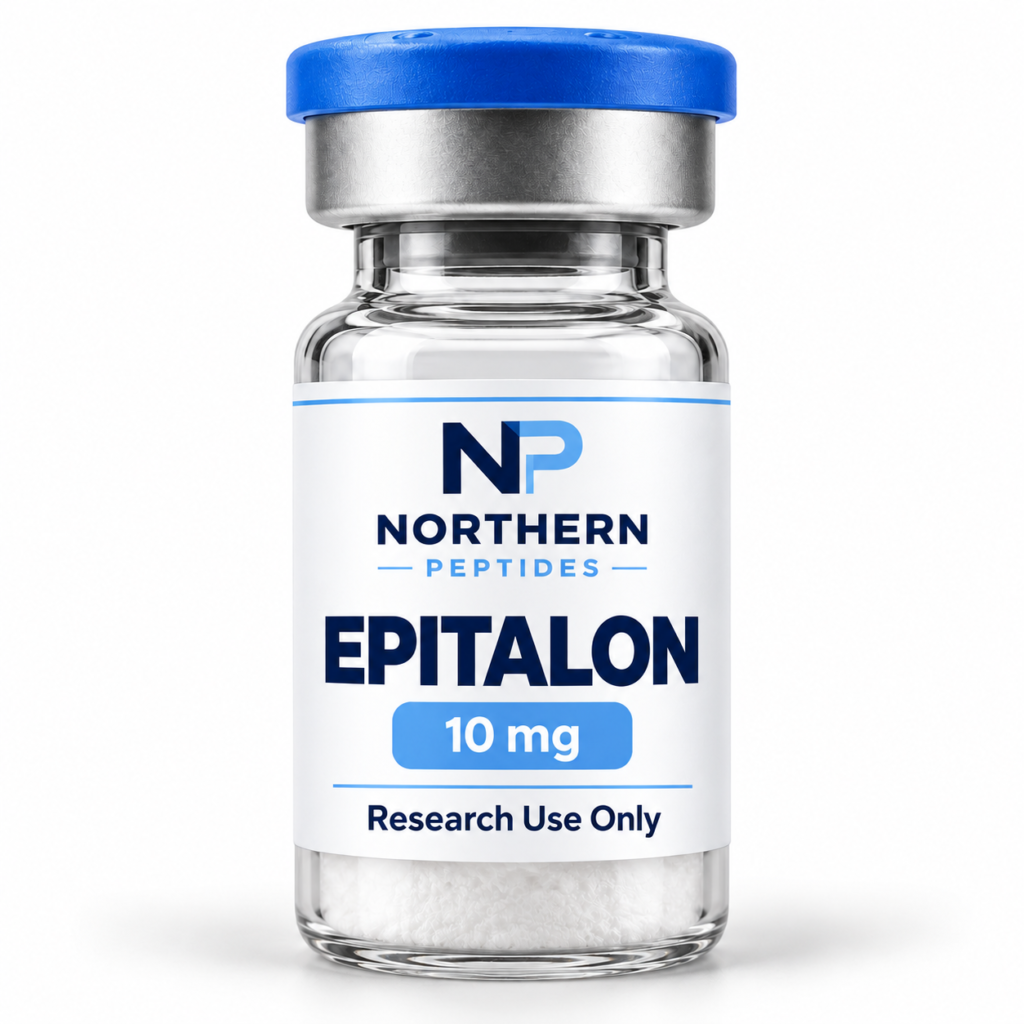
Epitalon is a different short peptide used in separate model systems. Comparisons are useful for methodological design but do not establish that short peptides share biological endpoints or clinical relevance.
For published background, consult the review of short-peptide gene-expression hypotheses and a peer-reviewed guide to chromatographic characterization of synthetic peptides. These are literature references, not independent testing of this product lot.
Related Northern Peptides catalogue references
For comparison of research terminology and analytical categories, see Epitalon 10mg, BPC-157 5mg, TB-500 5mg. These links describe separate catalogue materials; none implies interchangeability, compatible use or a verified shared formulation.
Research FAQ
What should be checked first? Confirm the exact identity and labelled quantity, then compare those details with the study’s reference requirements.
What does this research listing establish? Findings in isolated laboratory systems should not be extrapolated to people. It provides identification context, not instructions for administration or evidence of a health outcome.
Is Cartalax evidence of joint repair? No. Research context and laboratory hypotheses are not proof of therapeutic effects.
Why verify sequence order? Very short peptides can have related analytical signatures despite different sequences.
— NP Research Team
Reviews
There are no reviews yet.