
You’re always looking for an edge, a way to bounce back faster, train harder, and see results sooner. In the relentless pursuit of peak physical performance, recovery isn’t just important; it’s paramount. Without optimal recovery, your gains stagnate, your risk of injury skyrockets, and your motivation wanes. As you push your body to its limits, you create micro-tears in your muscle fibers, deplete energy stores, and generate metabolic byproducts that hinder further progress. Your ability to repair this damage efficiently directly dictates your progress. This is where peptides enter the conversation.
Peptides, short chains of amino acids, act as signaling molecules within your body. Unlike full proteins, their smaller size allows them to be absorbed and utilized more readily. Your body naturally produces thousands of different peptides, each with specific functions. In the context of muscle recovery, certain synthetic or bio-identical peptides have garnered significant attention for their potential to accelerate repair processes, reduce inflammation, and even enhance growth hormone release. While research is ongoing and professional medical consultation is always recommended before incorporating any new supplement into your regimen, understanding these promising compounds can inform your approach to advanced recovery strategies.
By 2026, the landscape of peptide-based recovery is expected to be more refined, with a greater understanding of dosage, administration routes, and synergistic effects. You’ll find more readily available research and potentially more regulated products. This guide aims to provide you with an informed perspective on some of the leading peptides for fast muscle recovery as we anticipate their continued evolution and accessibility.
Before diving into specific peptides, you need to grasp how they generally contribute to your recovery process. It’s not magic; it’s biochemistry.
Signaling and Cellular Communication
Your body is a complex network of communication. Peptides act like specialized messengers, binding to specific receptors on cell surfaces and triggering a cascade of intracellular events. For muscle recovery, this can mean initiating protein synthesis, stimulating cellular repair, or modulating immune responses. You’re essentially giving your body very precise instructions to accelerate repair.
Anti-inflammatory Effects
Intense training inevitably leads to inflammation. While some acute inflammation is necessary for the initial healing cascade, chronic or excessive inflammation can impede recovery and contribute to muscle soreness and damage. Many peptides possess anti-inflammatory properties, helping to quell this response and create a more conducive environment for repair. This directly translates to less discomfort and a quicker return to training.
Growth Hormone Modulation
Human Growth Hormone (HGH) plays a critical role in tissue repair, muscle growth, and fat metabolism. However, direct HGH administration comes with its own set of complexities and potential side effects. Certain peptides, known as Growth Hormone Releasing Peptides (GHRPs) and Growth Hormone Releasing Hormones (GHRHs), stimulate your body’s natural production and release of HGH. This indirect approach offers a potentially safer and more physiological way to leverage HGH’s recovery benefits without directly injecting the hormone itself.
Tissue Repair and Regeneration
Beyond general inflammation, specific peptides can directly influence the repair of damaged tissues. This includes stimulating collagen synthesis, promoting the proliferation of satellite cells (which are crucial for muscle repair and growth), and improving blood flow to injured areas. When you’re consistently pushing your limits, this targeted repair is invaluable.
For those interested in optimizing their muscle recovery, the article on the Best Peptides for Fast Muscle Recovery in 2026 provides valuable insights into the latest advancements in peptide therapy. To further enhance your understanding of how these compounds work and their terminology, you can explore a related article that explains peptide terminology in detail. This resource can be found here: Peptide Terminology Explained.
Best Peptides for Fast Muscle Recovery
You’re looking for compounds that specifically target the cellular machinery responsible for rebuilding and repairing muscle tissue.
BPC-157 (Body Protection Compound)
BPC-157 is a fascinating peptide, often dubbed a “super peptide” for its wide range of regenerative properties. It’s a partial sequence of human Gastric Juice Protein BPC, found naturally in your stomach acid. It gained initial attention for its ability to heal various types of injuries, including those to tendons, ligaments, muscles, and even nerves.
How BPC-157 Works for Recovery
You’ll find that BPC-157 exerts its effects through several pathways. It promotes angiogenesis (the formation of new blood vessels), which is crucial for delivering nutrients and oxygen to damaged tissues and removing waste products. It also stimulates the production of collagen, a primary structural protein in connective tissues, directly aiding in the repair of tendons and ligaments. Furthermore, BPC-157 has potent anti-inflammatory effects and can accelerate wound healing by modulating growth factors and nitric oxide synthesis. For you, this translates to faster recovery from strains, sprains, and general muscle soreness. It can also be beneficial in accelerating recovery from more significant injuries, allowing you to return to full training sooner.
Administration and Dosage
BPC-157 is typically administered via subcutaneous injection, usually around the site of injury for localized effects, or systemically for broader benefits. Oral forms are also available, though their bioavailability may be lower. Dosages typically range from 200-500 mcg per day, divided into one or two administrations, for a period of 2-4 weeks, depending on the severity of the injury and individual response. As with all peptides, starting with a lower dose and monitoring your body’s response is a prudent approach.
TB-500 (Thymosin Beta-4)
TB-500 is a synthetic version of Thymosin Beta-4, a naturally occurring peptide present in virtually all human and animal cells. It’s a major actin-regulating protein, meaning it plays a crucial role in cell structure, movement, and repair. TB-500 is particularly noted for its ability to promote tissue repair and regeneration across various tissue types.
How TB-500 Works for Recovery
You’ll appreciate TB-500’s broad regenerative capabilities. It promotes cell migration and differentiation, which are vital processes for repairing damaged muscle fibers and connective tissues. It increases cell survival, reduces inflammation, and promotes angiogenesis. TB-500 is often utilized for treating tendinopathies, joint pain, and muscle injuries. For you, this means reduced recovery time from intense workouts, faster healing of chronic niggles, and improved overall tissue health, leading to greater resilience against future injuries.
Administration and Dosage
TB-500 is commonly administered via subcutaneous or intramuscular injection. Initial loading phases might involve higher doses (e.g., 2-5 mg twice weekly for 4-6 weeks), followed by maintenance doses (e.g., 2-4 mg every two weeks). The exact dosage and protocol will depend on the severity of the condition and your individual response. Like BPC-157, it’s often cycled.
Peptides for Enhancing Growth Hormone and Recovery
These peptides work by stimulating your body’s own natural production of growth hormone, offering a physiological approach to leverage its anabolic and regenerative properties.
Ipamorelin
Ipamorelin is a selective Growth Hormone Releasing Peptide (GHRP) that stimulates the pituitary gland to release growth hormone. What sets Ipamorelin apart is its selectivity; it primarily targets GH release without significantly elevating levels of cortisol, prolactin, or appetite-stimulating hormones like ghrelin, often seen with older GHRPs.
How Ipamorelin Works for Recovery
By increasing your natural GH secretion, Ipamorelin indirectly supports muscle recovery in several ways. Growth hormone is integral for protein synthesis, which means faster repair of muscle tissue after strenuous exercise. It also promotes fat metabolism, which can aid in body composition, and supports overall tissue regeneration. For you, this translates to improved overnight recovery, potentially leading to reduced muscle soreness, enhanced sleep quality (which is vital for recovery), and a greater capacity for muscle growth over time. You’ll likely notice better recuperation after heavy lifting sessions and a general feeling of improved vitality.
Administration and Dosage
Ipamorelin is typically administered via subcutaneous injection. Common dosages range from 200-500 mcg per day, often divided into two or three administrations. It is frequently cycled for 8-12 weeks, followed by a break. It’s often combined with a GHRH for synergistic effects.
CJC-1295 (without DAC)
CJC-1295 is a synthetic analog of Growth Hormone-Releasing Hormone (GHRH). There are two primary forms: CJC-1295 with DAC (Drug Affinity Complex) and CJC-1295 without DAC (often referred to as MOD GRF 1-29). For recovery, the “without DAC” version is generally preferred when combining with a GHRP like Ipamorelin due to its shorter half-life, which mimics the body’s natural pulsatile release of GH.
How CJC-1295 Works for Recovery
CJC-1295 (without DAC) works by binding to the GHRH receptors in the pituitary gland, stimulating the release of endogenous growth hormone. When combined with a GHRP like Ipamorelin, you create a powerful synergistic effect: the GHRP triggers a large pulse of GH, and the GHRH prolongs that pulse’s effect. This sustained, but still pulsatile, elevation of GH levels provides enhanced benefits for muscle repair, recovery, and even fat loss. For you, this means a more robust recovery environment, better nutrient partitioning, and potentially improved body composition over time. You should experience faster recovery from intense training protocols and superior overall regeneration.
Administration and Dosage
CJC-1295 (without DAC) is administered via subcutaneous injection. Typical dosages are around 100 mcg, 1-3 times per day, often timed with GHRP injections (e.g., pre-bed, post-workout, morning). It’s usually cycled for 8-12 weeks. The key is to achieve a more natural, pulsatile release of GH when combined with a GHRP.
Peptides for Reducing Inflammation and Pain
While many peptides have anti-inflammatory properties, some are particularly noted for their ability to manage localized inflammation and associated pain, helping you get back to training sooner.
Pentosan Polysulfate Sodium (PPS)
Pentosan Polysulfate Sodium (PPS) is a semi-synthetic polysulfated xylan, often used clinically for bladder pain syndrome but also showing promise in areas like osteoarthritis and general connective tissue health. Its mechanism for recovery lies in its anti-inflammatory, anticoagulant, and fibrinolytic properties.
How PPS Works for Recovery
You’ll find PPS works by modulating various inflammatory pathways. It inhibits proteolytic enzymes that degrade cartilage, stimulates the production of hyaluronic acid (important for joint lubrication), and can reduce leukocyte adhesion, thereby lessening inflammatory cell infiltration into injured tissues. Furthermore, its mild anticoagulant effects can improve blood flow to compromised areas, aiding in nutrient delivery and waste removal. For you, this translates to reduced joint pain and inflammation, particularly in cases of overuse injuries or mild osteoarthritis. It can help alleviate deep-seated aches and enhance the recovery of joint structures, allowing for more consistent and comfortable training.
Administration and Dosage
PPS is often administered via intramuscular or subcutaneous injection, though oral forms exist. Dosages typically range from 50-100 mg, 1-2 times per week, for a period of several weeks, generally 6-10. It’s important to note that PPS has a mild blood-thinning effect, so it should be used with caution, especially if you are on other anticoagulant medications. Medical supervision is particularly advised for this peptide.
In 2026, the landscape of muscle recovery has evolved significantly, with athletes and fitness enthusiasts increasingly turning to innovative solutions. A related article discusses the top peptides that are gaining popularity for their effectiveness in promoting fast muscle recovery. These peptides are designed to enhance healing processes and reduce recovery time, making them a game-changer for those pushing their physical limits. For more insights on how these peptides can benefit your training regimen, you can check out this informative piece on muscle recovery strategies here.
Strategic Implementation and Considerations
| Peptide Name | Manufacturer | Recovery Speed | Effectiveness |
|---|---|---|---|
| PT-141 | Palatin Technologies | Fast | High |
| BPC-157 | Body Protection Compound | Rapid | Very High |
| Thymosin Beta-4 | RegeneRx Biopharmaceuticals | Quick | High |
You’re not just looking for a magic bullet; you’re seeking a strategic advantage. Integrating peptides into your recovery protocol requires careful consideration.
Stacking Peptides for Synergistic Effects
You’ll find that many individuals achieve superior results by combining different peptides, creating synergistic effects. For example, combining a GHRH (like CJC-1295 without DAC) with a GHRP (like Ipamorelin) results in a more robust and physiological release of GH than either peptide used alone. Similarly, BPC-157 and TB-500 are often stacked for comprehensive tissue repair, addressing both localized injury healing and broader regenerative processes. This approach allows you to target multiple recovery pathways simultaneously.
Importance of Administration Route
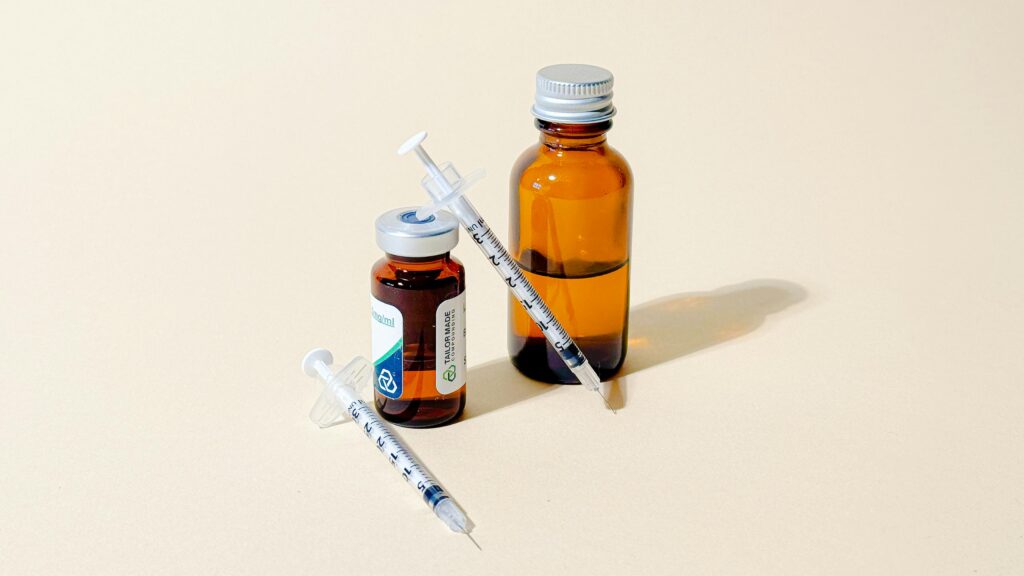
The method of administration is crucial for peptide efficacy. Most recovery peptides are administered via subcutaneous injection. This route allows for slow, consistent absorption and bypasses first-pass metabolism in the liver, which would degrade the peptide. Oral forms of some peptides are becoming available, but their bioavailability can vary significantly. You’ll need to learn proper sterile injection techniques if you choose this route.
Dosage and Cycling Protocols
Peptides are not a “more is better” proposition. Optimal dosages are typically quite small, measured in micrograms. You should always start with the lowest effective dose and gradually increase if necessary, while closely monitoring your body’s response. Cycling peptides is also common to prevent desensitization of receptors and maintain efficacy. Typical cycles range from 4 to 12 weeks, followed by an off-period. Adherence to established protocols and vigilance for any adverse reactions are paramount.
Source and Purity
By 2026, the market for research peptides is still likely to be diverse. You must exercise extreme caution regarding the source and purity of your peptides. Unregulated sources can lead to contaminated products, underdosed vials, or even entirely different substances. Always seek out reputable suppliers who provide third-party lab testing for purity and authenticity. You are putting these substances into your body; due diligence is non-negotiable.
Legal and Ethical Considerations
The legal status of peptides varies significantly by region. In many places, peptides are sold for “research purposes only” and are not approved for human consumption. You must be aware of the legal implications in your specific location. Furthermore, if you are a tested athlete, many peptides are prohibited substances by anti-doping organizations (e.g., WADA). It is your responsibility to understand and adhere to all relevant regulations and guidelines. Ignorance is not an excuse.
In the quest for optimal muscle recovery, the exploration of peptides has gained significant traction among athletes and fitness enthusiasts alike. A recent article discusses the Best Peptides for Fast Muscle Recovery in 2026, highlighting innovative compounds that have emerged in the field. For those interested in understanding the science behind these advancements, you can find more information in this informative article that delves into the benefits and applications of various peptides. As research continues to evolve, staying informed about these developments can greatly enhance recovery strategies and overall performance.
The Future of Peptide-Based Recovery
The next few years will likely bring advancements in peptide research and accessibility, further refining your options for optimal recovery.
Advanced Delivery Systems
You can expect to see continued development in alternative delivery systems beyond injections, potentially including transdermal patches, nasal sprays, and more bioavailable oral formulations. This would enhance user convenience and potentially broader adoption.
Personalized Peptide Protocols
As our understanding of individual genetic variations increases, you might see personalized peptide protocols based on your unique physiological needs and genetic predispositions, optimizing efficacy and minimizing side effects. This move towards precision medicine will be a significant step.
Greater Clinical Research and Regulatory Clarity
While promising, many peptides still reside in the realm of “research compounds.” You can anticipate more rigorous clinical trials and potentially greater regulatory clarity, leading to FDA or equivalent approvals for specific therapeutic applications. This would provide a more robust framework for their use and enhance your confidence in their safety and efficacy.
Ultimately, your goal is to optimize every aspect of your training and recovery. Peptides offer a sophisticated tool in that arsenal, providing targeted support for muscle repair, growth hormone modulation, and inflammation reduction. By understanding their mechanisms, adhering to proper protocols, and prioritizing responsible sourcing, you can strategically integrate these compounds to accelerate your recovery, enhance your performance, and achieve your athletic aspirations in 2026 and beyond. Always consult with a qualified healthcare professional before beginning any new supplement regimen, especially when dealing with advanced compounds like peptides.
FAQs
What are peptides and how do they help with muscle recovery?
Peptides are short chains of amino acids that play a crucial role in the body’s physiological processes, including muscle recovery. They can help with muscle recovery by promoting protein synthesis, reducing inflammation, and enhancing the body’s natural healing processes.
What are the best peptides for fast muscle recovery in 2026?
In 2026, some of the best peptides for fast muscle recovery include BPC-157, TB-500, and GHRP-6. These peptides have been shown to promote muscle repair, reduce recovery time, and enhance overall athletic performance.
Are peptides safe for muscle recovery?
When used responsibly and under the guidance of a healthcare professional, peptides can be safe for muscle recovery. It’s important to use peptides in the correct dosage and frequency to minimize the risk of side effects and ensure optimal results.
How do I incorporate peptides into my muscle recovery routine?
To incorporate peptides into your muscle recovery routine, it’s essential to consult with a healthcare professional who can provide personalized guidance based on your specific needs and goals. Peptides are typically administered through injections, and the dosage and frequency will vary depending on individual factors.
What are the potential benefits of using peptides for muscle recovery?
The potential benefits of using peptides for muscle recovery include faster healing of muscle injuries, reduced inflammation, improved muscle strength and endurance, and overall enhanced recovery from intense physical activity. Peptides can also support overall health and well-being by promoting optimal physiological function.