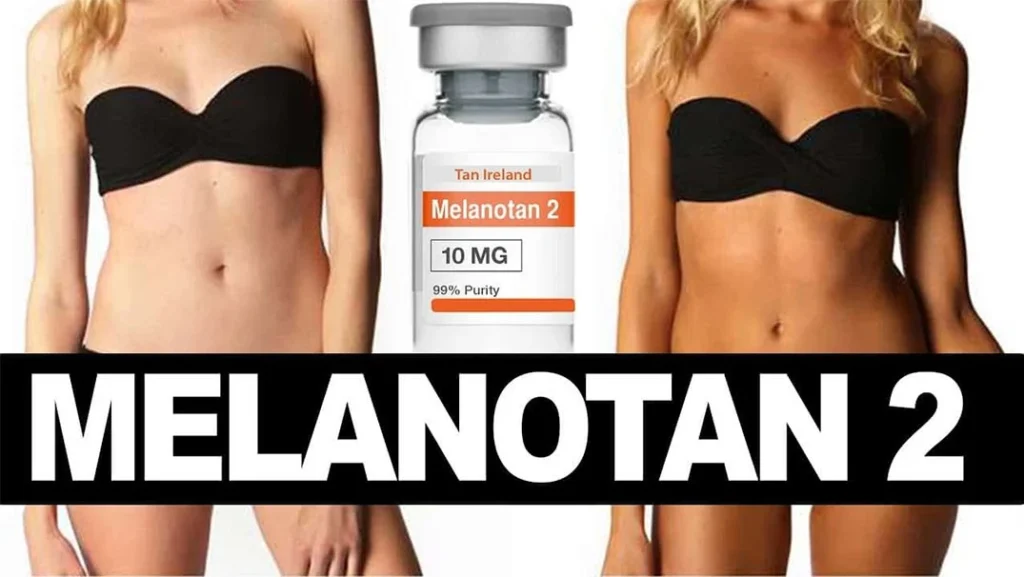
Imagine a world where achieving the perfect sun-kissed glow requires neither prolonged exposure to harmful UV rays nor a costly visit to the tanning salon. This is not a far-fetched fantasy but a rapidly emerging reality thanks to an intriguing peptide called melanotan 2. Originally developed as a potential treatment for skin cancer, this unique compound has taken the beauty and wellness industries by storm, offering a myriad of surprising benefits that extend far beyond its initial purpose.
In the quest for a flawless tan, many have turned to melanotan 2, captivated by its promise of not only enhancing skin tone but also boosting energy levels and possibly aiding in weight management. As science continues to delve into its multifaceted applications, melanotan 2 raises important discussions about body image and health. What makes this peptide so compelling? What potential does it hold for revolutionizing our approach to skin care? Let’s embark on a journey to unearth these secrets and understand how they might redefine your perception of tanning and wellness.
The Origins of Melanotan From Skin Cancer Treatment to Tanning Innovation

The story of melanotan 2 begins in the late 1980s and early 1990s when researchers were exploring ways to harness the body’s own pigment-production system to protect against ultraviolet damage. Scientists isolated a small peptide that mimicked the effects of alpha-melanocyte-stimulating hormone (α-MSH), which naturally signals melanocytes (pigment-producing cells) to ramp up melanin synthesis. Initial trials focused on the potential for this peptide to serve as a protective measure against UV-induced DNA damage, aiming to lower skin cancer risk by boosting the body’s built-in defenses. Early animal studies showed promise: treated subjects developed deeper pigmentation and exhibited fewer sunburn episodes.
As clinical interest grew, some researchers saw a cosmetic opportunity. The very mechanism that encouraged melanin production for cancer prevention could be repurposed for an even tan—without the need for excessive sun exposure. Thus, the peptide became popularly known as “melanotan,” and later refined into melanotan 2 for improved stability and activity. Though never officially approved by major regulatory bodies for tanning, melanotan 2 quickly found its way into underground laboratories and wellness circles. What had started as a therapeutic tool evolved into a sought-after cosmetic innovation, promising a safer, more controlled approach to achieving a golden glow.
The Science Behind the Tan: Melanotan and Melanin Production
At the heart of melanotan 2’s tanning power is its ability to mimic alpha-MSH, binding to melanocortin 1 receptors (MC1R) on melanocytes. These receptors, when activated, trigger the cascade that converts the amino acid tyrosine into melanin pigments. The more melanin your skin contains, the darker and more UV-resistant it becomes. By bypassing the need for UV stimulation, melanotan 2 can accelerate pigment production from the inside out, offering a gradual yet lasting tan.
Beyond just coloration, the melanin produced plays a vital protective role. It absorbs and scatters harmful ultraviolet radiation, acting as a natural sunscreen within the skin’s deeper layers. Users of melanotan 2 often report deeper, more even pigmentation after just a few injections, compared to the patchy and temporary results of sunbathing or spray tans. While the exact dosing protocols vary, the science remains clear: melanotan 2 leverages a biochemical shortcut to stimulate your body’s own tanning machinery.
Surprising Benefits Beyond Tanning: Boosting Energy Levels with Melanotan 2
While its reputation is largely tied to delivering a bronzed complexion, melanotan 2 has demonstrated additional perks that intrigue biohackers and wellness enthusiasts alike. One of the most commonly reported side effects is a notable uptick in energy and endurance. Users often describe a subtle but sustained boost, akin to a mild stimulatory effect without the jitteriness of caffeine.
Researchers theorize that melanotan 2’s interaction with various melanocortin receptors in the brain may play a role in modulating mood, alertness, and overall vitality. Though comprehensive human studies are limited, anecdotal evidence suggests enhanced focus during workouts and daily tasks. For individuals struggling with midday fatigue or seeking a natural lift without stimulants, melanotan 2’s energizing properties present an attractive bonus beyond its tanning capabilities.
Exploring the Weight Management Connection: Appetite Suppression and Metabolic Effects
Another compelling facet of melanotan 2 is its potential influence on appetite and metabolism. Several users have reported reduced hunger pangs and better control over food cravings, leading to moderate weight loss or maintenance. This effect is thought to stem from melanocortin receptors in the hypothalamus, a brain region that regulates energy balance and appetite.
When melanotan 2 binds to these receptors, it can mimic signals that normally tell your body you’re satiated. This results in a lower drive to eat and may support healthier portion control. Additionally, by potentially nudging metabolic processes toward greater calorie expenditure, melanotan 2 could amplify the effects of diet and exercise. While it is not a magic bullet for weight loss, its appetite-suppressing qualities make it a valuable adjunct for individuals pursuing a more disciplined nutrition plan.
Melanotan vs. Traditional Tanning Methods: A Comparison
Traditional tanning approaches fall into two main categories: natural sun exposure and artificial UV beds. Both methods carry inherent risks, including premature aging, DNA damage, and heightened skin cancer risk. Sunless tanning lotions and sprays offer an alternative but often result in orange hues, streaks, or uneven coverage.
Melanotan 2 stands apart by working internally, stimulating genuine melanin synthesis rather than coating the skin’s surface. This yields a more authentic, durable tan that fades naturally as skin cells turnover. Users avoid the harmful UV rays from the sun or tanning booths, and don’t contend with the mess and temporary nature of topical bronzers. While injections require careful handling and dose control, the overall safety profile—when protocols are followed—can be more favorable than repeated UV exposure.
Debunking Common Myths and Misconceptions Surrounding Melanotan 2
Myth No. 1: “Melanotan 2 causes instant, unnaturally dark skin.” In reality, the tanning process is gradual, often requiring multiple doses over weeks to achieve the desired shade. It mimics your body’s own melanin production rather than dumping pigment in at once.
Myth No. 2: “It’s a harmful steroid or hormone.” Melanotan 2 is a peptide analog of α-MSH and does not carry the same risks associated with anabolic steroids. When sourced from reputable suppliers and administered correctly, side effects remain generally mild: temporary nausea, flushing, or slight dizziness.
Myth No. 3: “It guarantees zero skin cancer risk.” While increased melanin offers improved UV protection, melanotan 2 is not an excuse for sunbathing without sunscreen. Users should still practice standard sun safety measures. Above all, quality control matters: only pharmaceutical-grade melanotan 2 should be used to minimize contaminants and ensure predictable outcomes.
Conclusion
Melanotan 2 has evolved from an experimental skin cancer treatment into a multifaceted wellness tool, offering not only a safer path to a lasting tan but also energizing and appetite-suppressing benefits. Its ability to work with the body’s natural systems makes it an appealing alternative to harmful UV exposure and topical bronzers.
While excitement around this peptide continues to grow, responsible use and proper sourcing remain crucial. As research advances, our understanding of melanotan 2’s full potential will expand, potentially unlocking even more surprising benefits in the realms of skin health, energy balance, and weight management.