
In the complex world of male health, the journey toward hormonal balance can often feel like traversing a winding road without a map. Many men find themselves grappling with hypogonadism, a condition characterized by low testosterone levels that can affect everything from energy to mental well-being. Amidst this struggle, one treatment has emerged as a beacon of hope—Human Chorionic Gonadotropin, or HCG. While traditionally associated with fertility treatments, HCG is now gaining recognition for its pivotal role in the recovery process for men with hypogonadal conditions.
What makes HCG particularly intriguing in these recovery journeys is its ability to naturally stimulate the body’s own production of testosterone. Unlike synthetic hormones that serve as temporary fixes, HCG helps kickstart the body’s internal processes, promoting a more sustainable path to recovery. This not only addresses the physical manifestations of hypogonadism but also empowers men to reclaim control over their lives. As we delve deeper into understanding HCG’s impact, we unlock a story of resilience and renewal, highlighting a path where science meets personal transformation.
The Science Behind Hypogonadism and Testosterone Levels
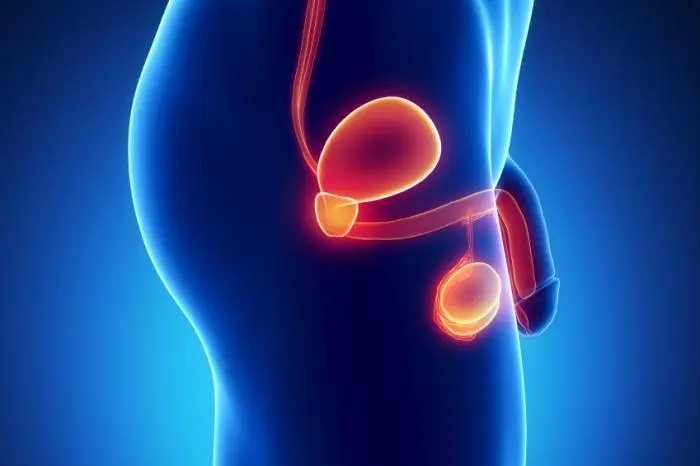
Hypogonadism refers to a clinical condition in which the testes produce insufficient testosterone, the hormone responsible for male sexual development, muscle mass, bone density, and overall vitality. In men, the hypothalamus secretes gonadotropin-releasing hormone (GnRH), which signals the pituitary gland to release luteinizing hormone (LH) and follicle-stimulating hormone (FSH). These, in turn, stimulate the testes to produce testosterone. When any part of this hypothalamic-pituitary-testicular (HPT) axis is disrupted, testosterone levels decline, leading to symptoms such as fatigue, decreased libido, mood disturbances, and cognitive fog. Compounding this, age-related declines and lifestyle factors—like chronic stress, obesity, and poor sleep—can further impair testosterone synthesis.
Diagnosing hypogonadism typically involves measuring serum testosterone in the morning, when levels are at their peak, alongside LH and FSH to differentiate primary (testicular) versus secondary (pituitary/hypothalamic) causes. Traditional treatments have centered on testosterone replacement therapy (TRT), which can effectively restore circulating testosterone but may suppress the HPT axis, reducing testicular function and fertility. This is where a nuanced understanding of physiology becomes crucial: balancing the need to alleviate hypogonadal symptoms while preserving or restoring natural hormone production. As research evolves, therapies like HCG that mimic endogenous signaling are gaining traction for their potential to address both goals concurrently.
Exploring Human Chorionic Gonadotropin (HCG) as a Treatment Option
Human Chorionic Gonadotropin, commonly abbreviated as hcg, is a glycoprotein hormone produced during pregnancy. Structurally similar to LH, HCG binds to LH receptors in the testes, tricking the body into thinking it’s receiving a natural LH signal. Historically used in female fertility regimens, its application in male hypogonadism has grown as clinicians seek alternatives or adjuncts to standard TRT. By directly engaging testicular receptors, HCG promotes endogenous testosterone synthesis without the same degree of feedback suppression seen with exogenous testosterone.
In clinical practice, HCG is administered via subcutaneous or intramuscular injections, often alongside or in place of testosterone. Dosage protocols vary, ranging from low-dose maintenance regimens to higher doses aimed at jump-starting testicular activity. Men undergoing HCG therapy may experience improvements in energy, libido, and mood while maintaining or even increasing testicular volume. For those keen on preserving fertility or avoiding the long-term drawbacks of TRT, hcg offers a promising avenue by stimulating the very pathways that sustain healthy endocrine function.
How HCG Stimulates the Body’s Natural Testosterone Production
At the core of hcg’s mechanism is its mimicry of luteinizing hormone (LH). In a healthy male endocrine system, the hypothalamus and pituitary coordinate to maintain a steady release of LH, which in turn stimulates Leydig cells in the testes to produce testosterone. When HCG is introduced, it binds to the LH receptors on Leydig cells, triggering the enzymatic cascade that converts cholesterol into testosterone. This process not only raises serum testosterone levels but also signals the testicular environment to resume normal activity.
Beyond direct Leydig cell activation, HCG may exert secondary effects on intratesticular testosterone concentrations, essential for sperm development and testicular health. By maintaining higher local testosterone levels within the testes, hcg supports spermatogenesis and preserves fertility potential—an advantage often lost with conventional TRT. Moreover, patients report that hcg helps stabilize mood, energy, and sexual function over the long term, underscoring its role as a catalyst for comprehensive hormonal recovery.
Benefits of Using HCG in Men’s Hypogonadal Recovery
One of the primary benefits of including hcg in a hypogonadal recovery plan is the preservation of fertility. Exogenous testosterone therapy alone often suppresses the hypothalamic-pituitary-testicular axis, leading to reduced sperm production and testicular atrophy. In contrast, HCG’s LH-mimicking action keeps the testes engaged, helping maintain or even enhance sperm counts. For men who desire future paternity or wish to avoid permanent fertility impairment, this distinction is crucial.
Secondly, HCG offers a more physiologically aligned approach to restoring testosterone. By promoting endogenous production, patients often experience fewer fluctuations in mood, energy, and libido compared to the peaks and troughs associated with synthetic hormone injections or gels. Additionally, studies suggest that concurrent HCG and TRT can reduce the risk of testicular shrinkage and long-term HPT axis suppression. Finally, because HCG replicates a natural hormonal signal rather than imposing a foreign steroid, some men report fewer side effects—such as acne, fluid retention, or mood swings—enhancing overall treatment tolerability and satisfaction.
Conclusion
HCG has emerged as a versatile and physiologically respectful option for men grappling with hypogonadism. By harnessing the body’s own endocrine pathways, it supports natural testosterone synthesis while safeguarding fertility and testicular health. For those seeking a sustainable, long-term approach to hormonal recovery, hcg represents a compelling alternative or adjunct to conventional testosterone therapy.
As research continues to illuminate the nuances of male hormonal health, HCG stands out for its ability to blend science with patient-centered outcomes. Whether used alone or in combination with other modalities, its role in men’s hypogonadal recovery journeys underscores a broader shift toward therapies that empower the body to heal itself.