
You’re on a quest for that youthful glow, the kind that whispers of healthy skin, strong hair, and resilient joints. You’ve probably heard the buzzword: collagen. It’s the protein that gives your skin its structure, your bones their strength, and your connective tissues their flexibility. And you’re smart to be looking for natural ways to boost it, especially by harnessing the power of peptides. Forget invasive procedures and questionable supplements; you’re about to discover ten potent, natural strategies to encourage your body to produce more of its own vital collagen.
Before we dive into the “how,” let’s briefly touch on the “why.” Collagen is the most abundant protein in your body, a true architectural marvel. Think of it as the scaffolding that holds everything together. As you age, your body’s natural collagen production begins to slow down. This decline is a primary contributor to common signs of aging like wrinkles, sagging skin, joint stiffness, and even digestive issues. But the good news is, you have the power to influence this process, and understanding what collagen is and how it works is the first step.
What Exactly is Collagen?
Collagen is a complex protein made up of amino acids, primarily glycine, proline, and hydroxyproline. These amino acids are woven together into a triple helix structure, forming strong, rope-like fibers. These fibers are incredibly durable and provide tensile strength, making them essential for healthy tissues. There are many different types of collagen in your body, with Type I being the most prevalent in skin, bones, and tendons, and Type II being crucial for cartilage.
The Role of Peptides in Collagen Synthesis
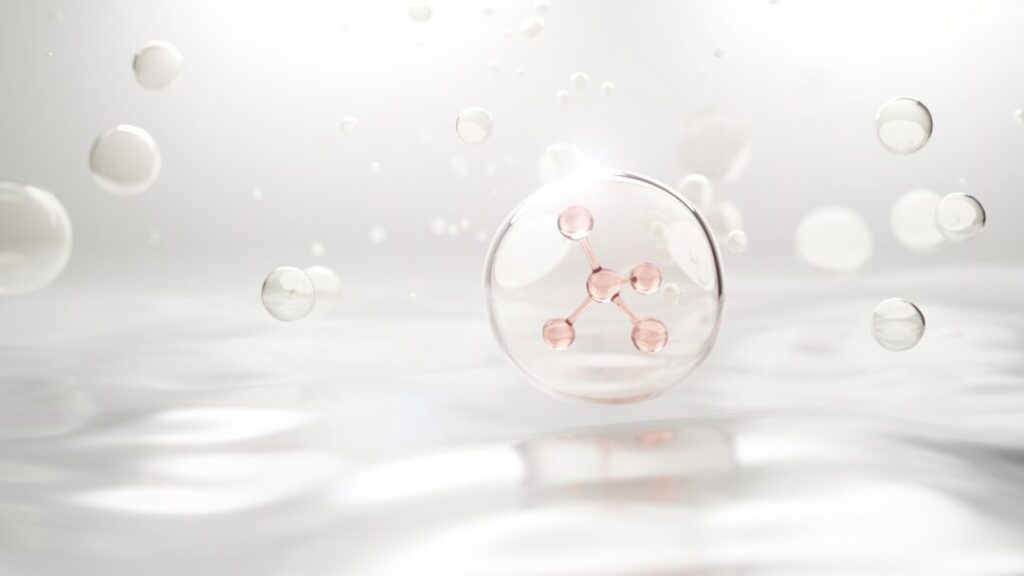
This is where peptides truly shine. Peptides are short chains of amino acids, essentially smaller building blocks of proteins. When it comes to collagen, certain peptides act as signaling molecules. They can tell your cells, particularly fibroblasts (the cells responsible for producing collagen), that it’s time to get to work. Think of them as tiny messengers, nudging your body into a state of renewed collagen production. By incorporating peptide-rich foods or topical applications, you’re essentially giving your body the signals and the raw materials it needs to rebuild and strengthen its collagen matrix.
If you’re interested in enhancing your collagen production naturally, you might also want to explore the article on peptide cycles and their performance benefits. This resource provides valuable insights into how peptides can support overall health and wellness, complementing your efforts to boost collagen levels. For more information, check out the article here: Peptide Cycles: Performance Benefits.
Nurturing Your Skin from Within: Dietary Powerhouses
Your diet plays an absolutely fundamental role in your body’s ability to produce and maintain collagen. What you eat directly impacts the availability of amino acids, vitamins, and minerals that are critical for collagen synthesis and repair. You’re not just feeding your body; you’re supplying the essential ingredients for your internal collagen factory.
The Amino Acid Advantage: Your Building Blocks
The foundation of collagen production lies in having the right amino acids available. Glycine, proline, and hydroxyproline are the stars of the collagen show. Without them, your body simply can’t build the protein effectively.
Embracing Bone Broth: A Collagen Goldmine
Bone broth, simmered for hours from animal bones, is renowned for its rich collagen content. As the bones break down, they release collagen and other beneficial compounds like glucosamine and chondroitin. Regular consumption can provide your body with readily available amino acids and peptides that directly support your own collagen stores. You can make your own or find high-quality store-bought options. Aim for a broth made from grass-fed, pasture-raised animals for optimal nutrient density.
Seafood Sophistication: Fish and Shellfish
Fish, particularly those with scales and bones like salmon and sardines, are excellent sources of collagen. The connective tissues in these sea creatures are rich in the protein. Shellfish, like shrimp and crab, also contribute to your amino acid intake and provide essential minerals. The omega-3 fatty acids found in fatty fish are also beneficial for skin health, further complementing collagen’s role.
Lean Protein Power: Chicken and Eggs
Lean meats like chicken, especially the skin (if you tolerate it), and eggs are good sources of glycine and proline. The egg white, in particular, is known for its ovalbumin, an amino acid-rich protein that can support collagen formation. When you’re choosing protein sources, prioritize lean options to fuel your body’s rebuilding efforts.
Vitamin C: The Essential Co-Factor
Vitamin C, also known as ascorbic acid, is not just for immunity; it’s a crucial co-factor in the synthesis of collagen. Without sufficient Vitamin C, your body struggles to link together the amino acids correctly to form stable collagen fibers.
Citrus Zest: Oranges, Lemons, and Grapefruits
You’ve likely heard this before, but citrus fruits are a classic and delicious way to get your Vitamin C. Incorporate them into your morning routine, add them to salads, or enjoy them as a refreshing snack. The natural sweetness and tartness make them versatile additions to your diet.
Berry Bliss: Strawberries, Blueberries, and Raspberries
Berries are antioxidant powerhouses and an excellent source of Vitamin C. They also contain other beneficial compounds that can help protect existing collagen from damage. Their vibrant colors are a testament to their nutrient density. Enjoy them on their own, in smoothies, or sprinkled over yogurt.
Leafy Greens Powerhouse: Spinach, Kale, and Broccoli
Don’t underestimate the power of leafy greens! Spinach, kale, and broccoli are not only packed with vitamins and minerals but also provide a decent amount of Vitamin C. These versatile vegetables can be steamed, sautéed, blended into smoothies, or added to stir-fries, making it easy to boost your intake.
Minerals for Matrix Maintenance
Beyond amino acids and Vitamin C, certain minerals are essential for the proper functioning of enzymes involved in collagen production and for maintaining the integrity of the collagen matrix itself.
Zinc’s Vital Role: Oysters, Nuts, and Seeds
Zinc is another critical mineral that aids in protein synthesis, including collagen. Oysters are exceptionally high in zinc, followed by nuts like cashews and almonds, and seeds such as pumpkin and sesame seeds. Incorporating these into your diet can provide your body with the zinc it needs.
Copper for Cross-Linking: Organ Meats, Nuts, and Seeds
Copper plays a vital role in the cross-linking of collagen fibers, which is essential for their strength and stability. Organ meats like liver are excellent sources, but you can also find copper in nuts, seeds, and dark chocolate.
Topical Textures: Peptides for Skin Surface

While internal nutrition is paramount, don’t underestimate the power of topical treatments that deliver peptides directly to your skin. These formulations can communicate with your skin cells, signaling them to ramp up collagen production and improve the appearance of your skin.
Peptide Serums: Targeted Treatments
Peptide serums are highly concentrated with specific types of peptides designed to address particular skin concerns. You’ll find serums formulated with signal peptides, carrier peptides, and neurotransmitter-inhibiting peptides, each with its unique mechanism of action.
Signal Peptides: The Builders
Signal peptides are like little messengers that tell your skin to produce more collagen, elastin, and hyaluronic acid. They mimic the body’s natural collagen fragments, prompting the skin to believe it’s time for repair and regeneration. Look for ingredients like palmitoyl oligopeptide and palmitoyl tetrapeptide-7.
Carrier Peptides: The Nutrient Transporters
Carrier peptides, often containing copper, help deliver essential minerals to the skin cells. These minerals are crucial for various enzymatic processes, including collagen synthesis. Copper peptides are a common example.
Neurotransmitter-Inhibiting Peptides: The Relaxers
These peptides, often referred to as “Botox in a bottle,” work by temporarily relaxing facial muscles, reducing the appearance of expression lines and wrinkles. Argireline, or acetyl hexapeptide-8, is a well-known example. When applied consistently, they can contribute to a smoother, more youthful complexion.
Moisturizers with Peptide Power
Beyond dedicated serums, many high-quality moisturizers now include peptides as a key ingredient. This offers a dual benefit: hydration and collagen-boosting support. By incorporating peptides into your daily moisturizing routine, you’re consistently delivering these beneficial building blocks to your skin.
Hydration’s Role: The Foundation
Proper hydration is crucial for skin health and for allowing topical ingredients to penetrate effectively. A good moisturizer, especially one containing peptides, will plump the skin, making fine lines less noticeable and creating an optimal environment for collagen synthesis.
Eye Creams: Targeting Delicate Areas
The skin around your eyes is thinner and more prone to showing signs of aging. Peptide-rich eye creams can effectively target concerns like crow’s feet and fine lines by stimulating collagen production in this delicate area.
Lifestyle Adjustments: Supporting Your Inner Builder

Your daily habits have a profound impact on your body’s ability to produce and protect collagen. Making conscious lifestyle adjustments can significantly enhance your efforts to boost collagen naturally.
Sun Protection: Guarding Your Collagen
The sun’s ultraviolet (UV) rays are one of the biggest culprits behind collagen breakdown. UV radiation damages collagen fibers, leading to premature aging, wrinkles, and loss of skin elasticity.
Daily SPF is Non-Negotiable
Make daily sunscreen application a habit, regardless of the weather or season. Choose a broad-spectrum sunscreen with an SPF of 30 or higher. Consistent protection is key to preventing sun-induced collagen damage.
Seeking Shade and Protective Clothing
When you’re outdoors for extended periods, seek shade whenever possible. Wearing wide-brimmed hats and sunglasses further protects your face and the delicate skin around your eyes from harmful UV exposure.
Sleep: The Body’s Repair Cycle
During sleep, your body is in repair mode, and this is when it undertakes significant tissue regeneration, including collagen production. Inadequate sleep can disrupt this process and lead to increased collagen breakdown.
Prioritize Quality Shut-Eye
Aim for 7-9 hours of quality sleep each night. Establish a regular sleep schedule, create a relaxing bedtime routine, and ensure your bedroom is dark, quiet, and cool to optimize your sleep quality.
Stress Management: Calming the Cortisol Storm
Chronic stress elevates cortisol levels, a hormone that has been shown to break down collagen. Managing stress effectively is therefore crucial for preserving your body’s collagen stores.
Mindfulness and Meditation
Practicing mindfulness, meditation, or deep breathing exercises can help reduce stress levels. Even a few minutes a day can make a significant difference in calming your nervous system.
Enjoying Hobbies and Social Connections
Engaging in activities you enjoy, spending time with loved ones, and pursuing hobbies are excellent ways to de-stress and boost your overall well-being, which indirectly supports collagen health.
If you’re interested in enhancing your skin’s vitality, you might find it beneficial to explore four anti-aging peptides that are proven to promote skin longevity. These peptides work synergistically with natural methods to boost collagen production, providing a comprehensive approach to maintaining youthful skin. Incorporating both natural collagen boosters and targeted peptides can lead to remarkable improvements in skin texture and elasticity.
Movement and Circulation: Stimulating Collagen Pathways
| Ways to Boost Collagen Naturally with Peptides | Benefits |
|---|---|
| 1. Consume Collagen Peptides | Improves skin elasticity and hydration |
| 2. Eat Foods Rich in Vitamin C | Supports collagen production |
| 3. Use Retinol Cream | Stimulates collagen production |
| 4. Try a Collagen-Boosting Supplement | Supports skin, hair, and nail health |
| 5. Get Enough Sleep | Promotes collagen production and repair |
| 6. Protect Your Skin from Sun Damage | Prevents collagen breakdown |
| 7. Stay Hydrated | Keeps skin plump and hydrated |
| 8. Exercise Regularly | Improves collagen production and skin health |
| 9. Eat Foods High in Omega-3 Fatty Acids | Supports collagen production and skin health |
| 10. Reduce Stress | Minimizes collagen degradation |
Physical activity not only benefits your overall health but also plays a role in stimulating collagen production and improving circulation, which is vital for delivering nutrients to your cells.
Exercise: More Than Just Muscles
Regular exercise boosts circulation, which helps deliver the nutrients and oxygen necessary for collagen synthesis to all parts of your body, including your skin.
Strength Training’s Benefit
Strength training, in particular, can stimulate collagen production in muscles and connective tissues. It helps build stronger tendons and ligaments, contributing to overall resilience.
Low-Impact Options for Collagen Support
Activities like yoga and Pilates not only improve flexibility and promote muscle strength but also enhance circulation and contribute to a sense of calm, indirectly supporting collagen.
Massage and Facial Techniques: Boosting Local Circulation
While not directly providing peptides, techniques that improve blood flow can enhance the delivery of nutrients and stimulate cellular activity in the skin, potentially supporting existing collagen and the skin’s natural repair processes.
Facial Massage for Radiance
Gentle facial massage can improve circulation to the skin, making it appear more plump and radiant. It can also help relax facial muscles, reducing the appearance of tension lines.
Foam Rolling for Connective Tissue
Foam rolling can help release tension in muscles and fascia, the connective tissue that surrounds muscles. This can improve tissue mobility and potentially aid in nutrient delivery.
If you’re interested in enhancing your skin’s elasticity and overall health, you might find it beneficial to explore the various ways to boost collagen naturally with peptides. For a deeper understanding of how peptides work and their terminology, check out this insightful article that explains the nuances of peptide use in health and wellness. Understanding these concepts can help you make informed choices about incorporating peptides into your routine. You can read more about it here.
The Power of Vitamin E and Antioxidants: Protecting Your Investment
While not directly peptides, certain antioxidants work in synergy with collagen-building efforts by protecting existing collagen from damage and supporting overall skin health.
Antioxidant Powerhouses: Fighting Free Radicals
Free radicals are unstable molecules that can damage cells, including collagen fibers. Antioxidants neutralize these free radicals, acting as your body’s defense system.
Vitamin E’s Shielding Effect
Vitamin E is a potent fat-soluble antioxidant found in nuts, seeds, and vegetable oils. It works to protect cell membranes from damage and can help shield collagen from oxidative stress.
Green Tea’s Graceful Properties
Green tea is rich in polyphenols, particularly epigallocatechin gallate (EGCG), a powerful antioxidant. These compounds can help protect collagen from UV damage and inflammation.
Limiting Collagen-Degrading Agents
Just as important as boosting collagen is minimizing factors that degrade it.
Sugar’s Sweet Detriment
Excessive sugar intake can lead to a process called glycation, where sugar molecules attach to collagen fibers, making them stiff, brittle, and prone to damage. This contributes to wrinkles and loss of elasticity.
Smoking’s Scourge
Smoking dramatically accelerates collagen breakdown and impairs the skin’s ability to repair itself. The chemicals in cigarette smoke restrict blood flow and generate free radicals, wreaking havoc on your collagen.
By embracing these ten natural strategies, you are empowering your body to rebuild and maintain its vital collagen stores. Remember, consistency is key. By integrating these practices into your daily life, you’re investing in a more radiant, resilient, and youthful you, from the inside out.
FAQs
What are peptides and how do they boost collagen production?
Peptides are short chains of amino acids that are the building blocks of proteins, including collagen. When peptides are applied topically or ingested, they can stimulate collagen production in the skin, leading to improved skin elasticity and firmness.
What are some natural sources of peptides for boosting collagen?
Natural sources of peptides for boosting collagen include bone broth, fish, eggs, and certain types of protein-rich foods such as beef, chicken, and turkey. Additionally, some plant-based sources like soy, lentils, and chickpeas also contain peptides that can support collagen production.
How can lifestyle choices impact collagen production?
Lifestyle choices such as smoking, excessive sun exposure, and a diet high in sugar and processed foods can negatively impact collagen production. On the other hand, regular exercise, a balanced diet rich in vitamins and minerals, and adequate hydration can support collagen synthesis.
Are there any side effects of using peptides to boost collagen naturally?
When used as directed, peptides are generally safe and well-tolerated. However, some individuals may experience mild skin irritation or allergic reactions when using peptide-based skincare products. It’s important to perform a patch test before using any new skincare product containing peptides.
Can peptides be used in conjunction with other skincare ingredients?
Yes, peptides can be used in conjunction with other skincare ingredients such as hyaluronic acid, vitamin C, and retinol. In fact, combining peptides with other beneficial skincare ingredients can enhance their overall effectiveness in promoting collagen production and improving skin health.