You’ve seen them: those individuals with a deep, sun-kissed glow that seems to emanate from within, even during the depths of winter. Perhaps you’ve envied that flawless, healthy-looking complexion, wishing you could achieve it without the damaging rays of the sun or the often streaky, artificial appearance of traditional self-tanners. You’re not alone. The desire for a beautiful tan is a persistent one, and increasingly, science is offering intriguing solutions. Among these, Melanotan II stands out as a fascinating peptide that promises to unlock your body’s natural tanning potential from the inside out. This guide is your gateway to understanding the science behind Melanotan II and how it can help you achieve that coveted sunless tan, safely and effectively.
Understanding the Core Mechanism: How Melanotan II Works
At its heart, Melanotan II is a synthetic analog of a naturally occurring hormone called alpha-melanocyte-stimulating hormone (α-MSH). You might not have heard of α-MSH before, but it plays a crucial role in your body’s complex pigmentation processes. Think of it as a key that unlocks a cascade of reactions leading to the production of melanin, the pigment responsible for the color of your skin, hair, and eyes.
The Role of Melanogenesis: Nature’s Tanning Process
Melanogenesis is the biological process by which melanin is produced. This process is primarily regulated by melanocytes, specialized cells found in your epidermis. When your skin is exposed to ultraviolet (UV) radiation from the sun or tanning beds, these melanocytes are stimulated to produce more melanin. This melanin then migrates to the surface of your skin, creating a tan and acting as a natural defense mechanism against further UV damage.
Understanding Melanin Pigments: Eumelanin and Pheomelanin
There are two primary types of melanin: eumelanin and pheomelanin. Eumelanin is responsible for brown and black pigments, offering greater protection against UV radiation. Pheomelanin, on the other hand, contributes to red and yellow tones and provides less UV protection. The balance and type of melanin you produce are largely determined by genetics, which is why some people tan easily while others burn. Melanotan II influences the production of eumelanin, leading to a deeper, more protective tan.
The Receptor Connection: MC1R and its Significance
The magic behind Melanotan II’s action lies in its interaction with melanocortin receptors, particularly the melanocortin 1 receptor (MC1R). This receptor is expressed on the surface of melanocytes. When α-MSH or its synthetic counterparts like Melanotan II bind to MC1R, it triggers a signaling pathway within the melanocyte, ultimately increasing the production and dispersion of melanin. Consider MC1R the lock, and α-MSH (and Melanotan II) the key that initiates the tanning process.
Melanotan II’s Affinity: More Than Just a Tanning Agent
While its primary association is with tanning, it’s important to understand that Melanotan II is a pleiotropic peptide, meaning it can interact with other melanocortin receptors in the body, leading to a range of effects beyond just skin pigmentation. This broader action is part of what makes it such a compelling area of scientific inquiry, but also necessitates a detailed understanding of its application.
Mimicking Natural Hormones: A Precise Molecular Design
Melanotan II’s chemical structure is carefully designed to mimic the action of α-MSH. However, it possesses a higher binding affinity and a longer half-life than the natural hormone. This means it can bind more effectively to melanocortin receptors and exert its effects for a more extended period, leading to a more pronounced and sustained increase in melanin production.
The Impact on Skin Cells: Stimulating the Melanocytes
When introduced into your system, Melanotan II circulates through your bloodstream and reaches the melanocytes. Its binding to MC1R initiates a cascade of intracellular events. This includes the activation of enzymes like tyrosinase, a key player in melanin synthesis. The result is a significant boost in the production of melanin, leading to a gradual darkening of your skin.
For those interested in the science behind sunless tanning and the use of Melanotan II, a related article that delves into the broader applications of synthetic peptides can provide valuable insights. This article discusses the recovery benefits of various synthetic peptides, highlighting their potential in enhancing skin health and overall well-being. To explore this topic further, you can read the article here: Synthetic Peptides: Recovery Benefits.
The Journey to a Sunless Tan: How to Administer and Use Melanotan II
Understanding the science is only the first step. To achieve your desired sunless tan, you need to know how Melanotan II is typically administered and what the process entails. It’s crucial to approach this with meticulous attention to detail and a commitment to responsible use.
Preparation is Key: Reconstitution and Storage
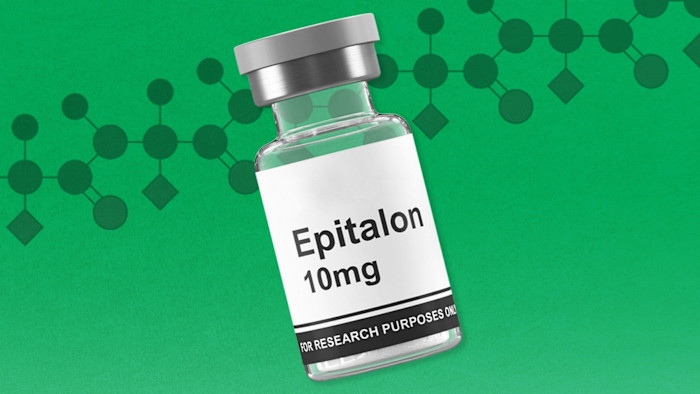
Melanotan II is typically supplied as a lyophilized (freeze-dried) powder. This means it needs to be reconstituted with a sterile bacteriostatic water before it can be administered. Proper reconstitution is vital for maintaining the integrity and effectiveness of the peptide.
Choosing the Right Diluent: Bacteriostatic Water
Bacteriostatic water contains a small amount of benzyl alcohol, which acts as a bacteriostatic agent, preventing microbial growth after the vial seal is broken. This is essential for safe administration. Never use plain sterile water, as it does not offer the same preservative qualities and can lead to contamination.
Accurate Dosing: The Importance of Syringes and Calculators
Achieving the correct dosage is paramount. Melanotan II dosages are typically measured in milligrams (mg). You’ll need accurate insulin syringes to draw up the reconstituted solution. Online Melanotan II dosage calculators are invaluable tools that help you determine the correct amount of peptide to draw based on the concentration of your reconstituted solution and your desired dose.
Administration Methods: Subcutaneous Injection
The most common and effective method of administering Melanotan II is via subcutaneous injection. This means injecting the solution just below the skin, typically into the fatty tissue.
Common Injection Sites: The Abdomen and Thighs
The abdominal area (avoiding the navel) and the fatty tissue of the thighs are the most commonly used sites for subcutaneous injections. These areas offer good absorption and are generally less sensitive.
Injecting with Confidence: A Step-by-Step Approach
While the idea of self-injection might seem daunting at first, with proper instruction and preparation, it becomes a manageable process. The basic steps involve cleaning the injection site, preparing the syringe with the correct dose, pinching the skin of the chosen site, and inserting the needle at a 45-degree angle or a 90-degree angle for those with more subcutaneous fat. Always dispose of used needles and syringes safely.
Dosage and Cycling: A Personalized Approach
There isn’t a one-size-fits-all approach to Melanotan II dosage. It’s a highly personalized journey that depends on your individual skin type, desired tan intensity, and how your body responds to the peptide.
Loading Phase vs. Maintenance Phase: Building Your Tan
Typically, a “loading phase” is recommended to establish a baseline tan. This involves more frequent injections over a shorter period. Once you’ve achieved your desired level of darkness, you transition to a “maintenance phase,” where injections are less frequent to preserve your tan.
Understanding Your Skin Type: The Fitzpatrick Scale
The Fitzpatrick scale is a numerical classification system that categorizes skin types based on their response to UV radiation. Understanding your Fitzpatrick type is crucial for determining appropriate Melanotan II dosages and managing expectations. Individuals with lighter skin types (Fitzpatrick I-III) may require a slightly longer or more intense loading phase than those with naturally darker skin.
The Anticipated Results: What to Expect from a Melanotan II Tan
Patience is a virtue when it comes to Melanotan II. The tanning process isn’t instantaneous; it’s a gradual transformation that unfolds over days and weeks. Understanding these timelines will help you manage your expectations and appreciate the natural progression of your tan.
The Gradual Unfolding: From Pink to Bronze
Following your initial doses, you’ll likely notice a subtle change. Many users report a pinkish hue to their skin, which is an early indicator of increased melanin production. Over subsequent days and weeks, this pinkness will deepen into a natural-looking tan.
Initial Signs of Pigmentation: A Subtle Shift
Don’t expect to go from pale to tanned overnight. The initial changes are subtle and often first noticed around moles or freckles, which may darken more noticeably. This indicates that the melanocytes are responding to the peptide.
The Full Bloom: Achieving Your Desired Shade
The full intensity of your Melanotan II tan can take several weeks to develop, especially during the loading phase. Consistency in administration, along with proper hydration and sun exposure (even minimal, safe exposure can enhance the tan), will contribute to reaching your desired shade.
Enhancing Your Tan: The Role of Sun Exposure
While Melanotan II provides the internal mechanism for tanning, controlled and safe exposure to UV radiation can significantly enhance and deepen your tan. This is where the “sunless” aspect becomes more nuanced.
Minimal Sun Exposure: A Catalyst for Pigmentation
Contrary to what some might believe, Melanotan II does not eliminate the need for any sun exposure if you desire a deeper tan. Instead, it requires less exposure to achieve a more profound and long-lasting result. Short periods of safe sun exposure, such as 15-30 minutes a day, can act as a powerful catalyst for melanin production activated by Melanotan II.
The Protective Effect: Tanning as a Defense
It’s important to remember that the tan produced by Melanotan II, like a natural tan, offers some degree of UV protection. This means you’re less likely to burn with Melanotan II-induced tanning than with unprotected skin. However, it’s crucial to emphasize that this protection is not absolute, and responsible sun protection practices, such as wearing sunscreen, are still advised, especially during prolonged sun exposure.
Longevity and Maintenance: Preserving Your Glow
Once you’ve achieved your desired tan, the focus shifts to maintaining it. This involves adjusting your dosage and frequency of administration.
Transitioning to a Maintenance Dose: Less is More
The maintenance phase is characterized by reduced injection frequency. Instead of daily or every-other-day injections, you might transition to weekly or bi-weekly injections, depending on how quickly your tan fades and your personal goals.
Factors Affecting Tan Longevity: Lifestyle and Skin Type
The duration of your Melanotan II tan can be influenced by various factors, including your natural skin type, lifestyle (e.g., frequent showering or exfoliation), and the consistency of your maintenance injections. Some individuals find their tan lasts for months with proper maintenance, while others may need more frequent touch-ups.
Potential Side Effects and Considerations: Navigating the Risks
As with any powerful substance that interacts with biological processes, Melanotan II is associated with potential side effects. A thorough understanding of these is essential for making informed decisions about its use. It’s imperative to approach Melanotan II with caution and prioritize your well-being.
Common and Mild Side Effects: The Usual Suspects
Many users experience mild and transient side effects, particularly during the initial phases of use. These are usually manageable and often subside as your body adjusts to the peptide.
Nausea and Flushing: Temporary Discomforts
Nausea, particularly after injection, is a commonly reported side effect. Some users also experience facial flushing, a temporary reddening of the skin. These sensations are generally short-lived.
Appetite Suppression: An Unexpected Benefit for Some
Interestingly, Melanotan II can also suppress appetite. While not its primary purpose, some individuals find this to be a positive side effect.
More Significant Side Effects: When to Seek Medical Advice
While less common, some side effects can be more pronounced and warrant medical attention. It’s crucial to be aware of these and to consult a healthcare professional if you experience any concerning symptoms.
Changes in Moles: A Critical Observation
Melanotan II can cause moles to darken and potentially change in appearance. It is absolutely critical to monitor any changes in your moles and to have them examined by a dermatologist regularly, especially if you have a history of moles or skin cancer. Any new or changing moles should be investigated promptly.
Kidney Function and Other Concerns: Long-Term Implications
There have been reports and ongoing discussions in the scientific community regarding potential long-term effects on kidney function and other organ systems. While research is still evolving, it underscores the importance of informed use and potential medical monitoring.
The Importance of Sourcing and Purity: Ensuring Quality
The unregulated nature of the Melanotan II market means that product quality can vary significantly. Sourcing your Melanotan II from reputable vendors who provide third-party testing results for purity and authenticity is paramount to minimizing risks associated with contaminants or inaccurate dosing.
Unregulated Markets: A Word of Caution
It’s crucial to be aware that Melanotan II is not approved for human use by regulatory bodies in many countries. This means that the market is largely unregulated, and the quality and purity of products can be inconsistent. Be extremely cautious about where you source your peptide.
Third-Party Testing: Your Assurance of Quality
Reputable suppliers will often provide certificates of analysis (CoAs) or offer access to independent third-party testing results for their products. These documents verify the purity and concentration of the peptide, offering a greater degree of assurance.
For those interested in the science behind achieving a sunless tan, the Guide on Melanotan II provides valuable insights into how this peptide works to stimulate melanin production. To further enhance your understanding of peptide usage, you may find it beneficial to explore a related article that offers practical advice on safety and smart usage. This resource can help you navigate the complexities of peptide applications effectively. You can read more about it in this essential tips for peptide safety.
Melanotan II in Context: The Broader Scientific Landscape
Melanotan II is not just a standalone cosmetic tool; it sits within a larger scientific field exploring the potential therapeutic applications of melanocortin receptor agonists. Understanding this broader context can provide valuable perspective.
Beyond Tanning: Therapeutic Potential
Research into melanocortin receptor agonists, including compounds similar to Melanotan II, is exploring their potential roles in a variety of medical conditions. This includes areas like erectile dysfunction, inflammatory diseases, and even appetite regulation.
Melanocortin Receptor Agonists: A Class of Compounds
Melanotan II is part of a broader class of molecules known as melanocortin receptor agonists. These compounds are designed to mimic the action of α-MSH and interact with the different melanocortin receptors in the body.
Research into Erectile Dysfunction: A Well-Documented Effect
One of the most well-documented non-tanning effects of Melanotan II and its analogs is their ability to induce erections, particularly in individuals with erectile dysfunction. This action is mediated by melanocortin receptors in the central nervous system.
Ethical and Regulatory Considerations: Navigating the Landscape
The use of Melanotan II raises important ethical and regulatory questions. Its availability through unregulated channels and its potential for misuse necessitate careful consideration.
Unapproved Status: A Key Regulatory Hurdle
In many parts of the world, Melanotan II remains an unapproved drug for human consumption. This means that its sale, possession, and administration are subject to varying legal restrictions.
The Ethics of Self-Administration: Informed Consent and Risk Assessment
The decision to use Melanotan II is a personal one, but it carries significant responsibilities. It is crucial to engage in thorough self-assessment of risks and benefits, to seek information from reputable sources, and to understand the potential implications for your health.
The Future of Sunless Tanning: Innovation and Evolution
The science of tanning is constantly evolving. While Melanotan II has captured attention, ongoing research is paving the way for new and potentially safer approaches to achieving a desirable skin tone.
Advancements in Peptide Technology: Refining the Science
The field of peptide science is rapidly progressing. Future research may lead to the development of new melanocortin receptor agonists that are more targeted, with fewer side effects and improved efficacy for tanning and other potential therapeutic applications.
Targeted Approaches: Minimizing Off-Target Effects
Scientists are working on designing peptides that exhibit greater selectivity for specific melanocortin receptors, aiming to minimize or eliminate the off-target effects that can lead to unwanted side effects.
Beyond Peptides: Exploring Other Avenues
While peptides like Melanotan II are promising, researchers are also exploring other innovative strategies for achieving a sunless tan, including novel topical agents and advancements in gene therapy.
Topical Innovations: New Formulations for Skin Pigmentation
The development of advanced topical formulations that can stimulate melanin production in a controlled and localized manner is an active area of research, offering a potentially less invasive approach to tanning.
In conclusion, Melanotan II offers a fascinating glimpse into the possibility of harnessing your body’s own biological mechanisms to achieve a beautiful, sunless tan. By understanding the intricate science behind melanogenesis, the proper methods of administration, and the crucial considerations regarding potential side effects and ethical implications, you can make an informed decision about whether this peptide aligns with your personal goals. Remember, responsible use, thorough research, and a commitment to your well-being are paramount on your journey to unlocking your inner radiance.
FAQs
What is Melanotan II?
Melanotan II is a synthetic hormone that mimics the effects of the natural hormone alpha-melanocyte stimulating hormone (α-MSH). It stimulates the production of melanin in the body, which leads to a darkening of the skin.
How is Melanotan II administered?
Melanotan II is typically administered through subcutaneous injection. It can also be administered through intramuscular injection, but subcutaneous injection is more common.
What are the potential side effects of Melanotan II?
Potential side effects of Melanotan II include nausea, flushing, fatigue, and increased libido. Long-term use of Melanotan II may also increase the risk of skin cancer.
Is Melanotan II legal?
Melanotan II is not approved by the FDA for use as a tanning agent. It is considered a research chemical and is not legal for human use in many countries, including the United States.
What are the potential benefits of using Melanotan II?
The potential benefits of using Melanotan II include a sunless tan, increased libido, and potential appetite suppression. However, these benefits come with potential risks and should be carefully considered before use.