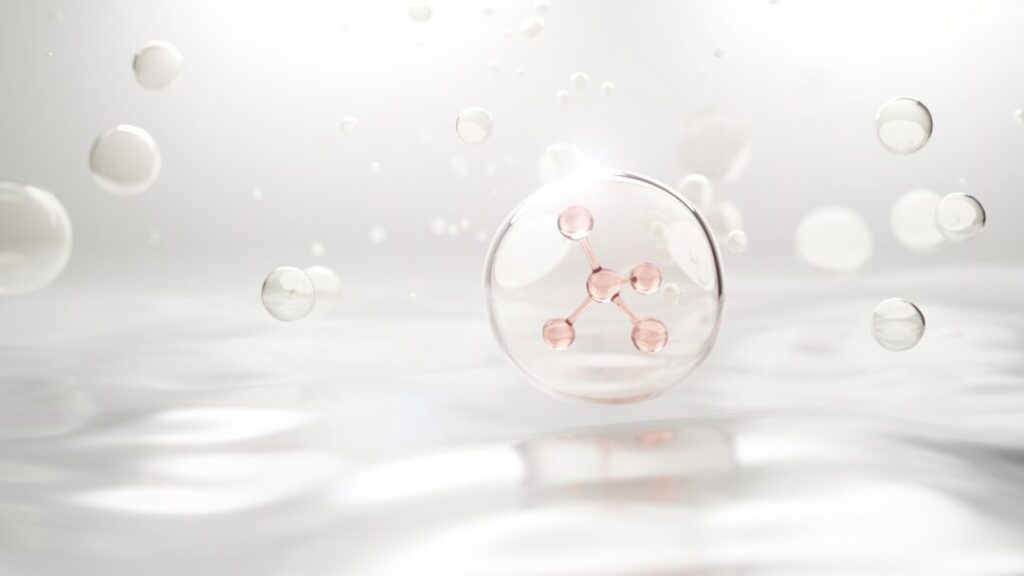
You’ve probably heard it before – the quest for eternal youth, a timeless human endeavor. From ancient elixirs to modern-day breakthroughs, the pursuit of staying young, or at least looking it, continues to captivate. In this endless journey, a fascinating molecule has emerged as a potential contender for the “fountain of youth” title: Copper Peptide, specifically GHK-Cu. But is it truly the miracle worker it’s hyped up to be? You’re about to dive deep into the science, the claims, and the reality of this intriguing ingredient.
Before you can understand its potential, you need to grasp what GHK-Cu actually is. It’s not just a fancy name; it’s a naturally occurring peptide with a crucial role in your body.
A Tripeptide with a Purpose
GHK-Cu is a tripeptide – meaning it’s composed of three amino acids: Glycine, Histidine, and Lysine. This specific sequence is what gives it its unique properties.
- Amino Acid Foundation: You’re likely familiar with amino acids as the building blocks of proteins. In GHK-Cu, these three specific amino acids form a small but powerful chain.
- Copper’s Crucial Role: The “Cu” in GHK-Cu stands for copper. The tripeptide has a strong affinity for copper and readily binds to it, forming a complex. This copper is not just any copper; it’s a trace element essential for numerous bodily functions, including wound healing, immune function, and collagen production.
Discovery and Early Applications
Your journey with GHK-Cu begins in the 1970s with Dr. Loren Pickart, a visionary scientist who first isolated it from human plasma. His initial research focused on its remarkable wound-healing properties, quickly paving the way for its exploration in skin regeneration.
- From Plasma to Potent Skincare: Dr. Pickart’s discovery highlighted GHK-Cu’s ability to stimulate tissue repair, a finding that naturally led to investigations into its potential for skin health and anti-aging.
- The Healing Catalyst: Initially, its efficacy in wound healing and tissue regeneration was the primary focus, demonstrating its capabilities in repairing damaged skin and promoting healthy tissue formation.
Copper Peptide, specifically GHK-Cu, has garnered attention for its potential anti-aging properties, often being referred to as a “Fountain of Youth” due to its ability to promote skin regeneration and healing. For those interested in exploring the safety and efficacy of various peptides, including GHK-Cu, a related article titled “Peptide Safety Checklist for Health and Beauty” provides valuable insights. You can read more about it by following this link: Peptide Safety Checklist for Health and Beauty. This resource can help you make informed decisions regarding the use of peptides in your skincare routine.
The Science Behind the Glow: How Does GHK-Cu Work?
So, you know what it is, but how does it actually exert its anti-aging and skin-rejuvenating effects? The mechanisms are multifaceted and speak to its remarkable biological activity.
Collagen and Elastin Stimulation
You probably know that collagen and elastin are the bedrock of youthful skin. As you age, your body’s production of these vital proteins diminishes, leading to wrinkles and sagging. GHK-Cu steps in to help reverse this decline.
- Fibroblast Activation: GHK-Cu signals fibroblasts, the cells responsible for producing collagen and elastin, to ramp up their synthesis. This means more new collagen and elastin fibers are produced, leading to firmer, plumper skin.
- Improved Skin Architecture: With increased collagen and elastin, your skin’s structural integrity improves. You’ll notice a reduction in fine lines and wrinkles, and a more resilient, youthful appearance.
Antioxidant and Anti-inflammatory Power
You’re constantly battling environmental stressors like UV radiation and pollution, which generate free radicals that damage your skin and accelerate aging. GHK-Cu acts as a robust defense mechanism.
- Free Radical Scavenging: GHK-Cu can directly neutralize harmful free radicals, protecting your skin cells from oxidative stress. This prevents damage to DNA, proteins, and lipids within your skin.
- Calming Inflammation: Chronic inflammation is a silent aggressor, contributing to premature aging and various skin conditions. GHK-Cu exhibits significant anti-inflammatory properties, reducing redness, irritation, and overall skin sensitivity. This can be particularly beneficial if you experience conditions like rosacea or acne.
Wound Healing and Tissue Remodeling
You’ve already learned about its origins in wound healing research, but this aspect is crucial for its anti-aging benefits as well.
- Accelerated Repair: GHK-Cu promotes faster wound closure and tissue regeneration. It encourages the proliferation of keratinocytes and fibroblasts, the key cells involved in skin repair.
- Scar Reduction: Not only does it heal, but it also helps to remodel damaged tissue, leading to a reduction in the appearance of scars and better overall skin texture. This is a significant benefit if you’re concerned about acne scars or other forms of skin damage.
- Angiogenesis Promotion: GHK-Cu also encourages angiogenesis, the formation of new blood vessels. A healthy blood supply is vital for delivering nutrients and oxygen to the skin, thus supporting its overall health and vitality.
Glycosaminoglycan (GAG) Production
Beyond collagen and elastin, other components contribute to youthful skin. GHK-Cu also boosts the production of these essential building blocks.
- Hyaluronic Acid Boost: GHK-Cu stimulates the synthesis of glycosaminoglycans, particularly hyaluronic acid. You know hyaluronic acid as the skin’s natural humectant, capable of holding up to 1,000 times its weight in water. Increased hyaluronic acid levels mean enhanced skin hydration, plumpness, and a reduction in the appearance of fine lines.
- Improved Skin Barrier: A well-hydrated skin barrier is a strong skin barrier. By boosting GAGs, GHK-Cu contributes to a more robust skin barrier, which is essential for protecting your skin from environmental aggressors and preventing moisture loss.
The Reported Benefits: What Can You Expect?
So, with all this scientific backing, what tangible improvements can you realistically expect from incorporating GHK-Cu into your routine? You’re likely looking for concrete results, and there are many reported benefits that make a compelling case.
Visible Reduction in Signs of Aging
This is often your primary motivation for exploring anti-aging ingredients, and GHK-Cu delivers on this front according to many users.
- Fewer Fine Lines and Wrinkles: By boosting collagen and elastin, GHK-Cu helps to smooth out existing lines and prevent new ones from forming. You’ll likely notice a reduction in the depth and prominence of wrinkles, especially around the eyes and mouth.
- Improved Skin Firmness and Elasticity: You’ll feel your skin becoming more taut and resilient. The increased production of structural proteins helps to counteract the natural loss of firmness that comes with age, leading to a lifted and more youthful contour.
- Enhanced Skin Radiance: GHK-Cu’s multifaceted benefits, including improved circulation, hydration, and antioxidant protection, contribute to a more vibrant and luminous complexion. You’ll find your skin has a healthier, more youthful glow.
Enhanced Skin Health and Texture
Beyond aesthetics, GHK-Cu contributes to the overall health and feel of your skin.
- Smoother Skin Texture: The regenerative properties of GHK-Cu help to refine skin texture, making it feel softer and smoother to the touch. This can also lead to a more even application of makeup.
- Reduced Hyperpigmentation: While not its primary function, GHK-Cu’s anti-inflammatory and regenerative properties can contribute to a more even skin tone over time, potentially helping to reduce the appearance of sun spots and other forms of hyperpigmentation.
- Diminished Scarring: If you have acne scars, surgical scars, or other types of skin damage, GHK-Cu can significantly improve their appearance by promoting healthy tissue remodeling and reducing inflammation.
Calming and Healing Properties
For those with sensitive or compromised skin, GHK-Cu offers a soothing touch.
- Reduced Redness and Irritation: Its anti-inflammatory action makes it an excellent choice if you experience persistent redness, sensitivity, or irritation. It helps to calm reactive skin and promote a more balanced complexion.
- Faster Recovery from Damage: Whether it’s post-procedure irritation, sun exposure, or minor abrasions, GHK-Cu can accelerate your skin’s recovery process, minimizing downtime and promoting healthier healing.
Application and Integration: How to Use GHK-Cu
So, you’re convinced GHK-Cu might be the missing piece in your skincare puzzle. Now you need to know how to effectively incorporate it into your routine.
Choosing the Right Product
The market is flooded with various skincare products, so it’s important to be discerning when selecting a GHK-Cu product.
- Serums are Key: GHK-Cu is most commonly found in serums, which are designed to deliver a concentrated dose of active ingredients deep into your skin. Look for serums specifically formulated with GHK-Cu.
- Concentration Matters: While there’s no universally agreed-upon “ideal” concentration, most effective GHK-Cu products contain a concentration ranging from 1% to 3%. Be wary of products with suspiciously low concentrations that may not deliver significant results.
- Formulation Considerations: Look for products that are free from harsh chemicals, fragrances, and dyes, especially if you have sensitive skin. A well-formulated product will also include other beneficial ingredients that complement GHK-Cu’s action.
Incorporating into Your Routine
You can easily integrate GHK-Cu into your existing skincare regimen.
- Cleanse and Tone First: Always start with a clean canvas. After cleansing and toning, apply your GHK-Cu serum.
- Apply to Damp Skin: Applying to slightly damp skin can help with better absorption of the serum.
- Follow with Moisturizer: Allow the serum to fully absorb for a minute or two before following up with your regular moisturizer to lock in hydration and further support your skin barrier.
- Morning and/or Night: GHK-Cu can be used once or twice daily, depending on your skin’s needs and product instructions. Some people prefer to use it at night to aid in overnight repair, while others appreciate its protective benefits during the day.
- Layering with Other Actives: GHK-Cu is generally well-tolerated and can be layered with other active ingredients like vitamin C, hyaluronic acid, and niacinamide. However, use caution when combining with strong acids (AHAs/BHAs) or retinoids, as these can in some cases degrade peptides. It’s often recommended to apply GHK-Cu first, or to use these ingredients at separate times of the day.
Patch Testing is Prudent
Even with an ingredient as generally well-tolerated as GHK-Cu, a patch test is always a smart move.
- Small Area Application: Before applying to your entire face, apply a small amount of the product to an inconspicuous area, such as behind your ear or on your inner forearm.
- Monitor for Reactions: Wait 24-48 hours and check for any signs of redness, itching, irritation, or other adverse reactions. If you experience any negative symptoms, discontinue use.
Copper Peptide, often referred to as GHK-Cu, has garnered attention for its potential anti-aging properties, leading many to explore its benefits in skin rejuvenation and overall health. For those interested in understanding the science behind peptide synthesis and its advantages, a related article provides valuable insights into the process and its implications. You can read more about it in this informative piece on peptide synthesis, which complements the discussion on GHK-Cu and its role in promoting youthful skin.
The Verdict: Is GHK-Cu Truly the Fountain of Youth?
| Benefits of Copper Peptide (GHK-Cu) | Research Findings |
|---|---|
| Stimulates collagen production | Studies have shown that GHK-Cu can increase collagen synthesis in skin cells |
| Antioxidant properties | GHK-Cu has been found to have antioxidant effects, protecting skin from free radical damage |
| Wound healing | Research suggests that GHK-Cu can promote faster wound healing and reduce scarring |
| Anti-inflammatory effects | GHK-Cu has been shown to have anti-inflammatory properties, which can help with skin redness and irritation |
You’ve explored the science, the benefits, and the application. So, where does GHK-Cu stand in the grand scheme of anti-aging?
Realistic Expectations
It’s crucial to approach GHK-Cu with realistic expectations. While it’s a powerful and promising ingredient, it’s not a magic bullet that will erase decades overnight.
- Progressive Improvement: Like most effective skincare ingredients, GHK-Cu delivers progressive improvements over time. You won’t see an instant transformation, but with consistent use, you can expect noticeable enhancements in your skin’s appearance and health.
- Holistic Approach: GHK-Cu is a fantastic addition to an overall healthy lifestyle that includes sun protection, a balanced diet, adequate hydration, and other effective skincare ingredients. Think of it as a valuable piece of your anti-aging puzzle, not the entire solution.
A Powerful Ally in Your Anti-Aging Arsenal
Despite not being a literal “fountain of youth,” GHK-Cu undeniably holds a significant place in the quest for youthful, healthy skin.
- Multi-Faceted Benefits: Its ability to stimulate collagen and elastin, act as an antioxidant, reduce inflammation, and accelerate wound healing makes it a remarkably versatile and effective ingredient.
- Well-Researched and Safe: GHK-Cu has been extensively researched for decades, and its safety profile is generally excellent, making it a compelling choice for many individuals.
- A Promising Future: Research on GHK-Cu continues to evolve, uncovering even more of its potential benefits. Its trajectory suggests it will remain a cornerstone of advanced skincare for years to come.
In conclusion, when you consider the scientific evidence, the profound impact on skin health, and the consistent anecdotal evidence, GHK-Cu stands as a remarkably effective and exciting ingredient. While it may not literally grant eternal youth, it certainly empowers you to maintain healthier, more resilient, and visibly younger-looking skin for longer. So, if you’re looking to invest in an ingredient that truly works to support your skin’s vitality, GHK-Cu is undoubtedly worth your attention. You might just find that this copper peptide is exactly what your skin has been craving.
FAQs
What is Copper Peptide (GHK-Cu)?
Copper peptide, also known as GHK-Cu, is a naturally occurring copper complex that is found in human plasma, saliva, and urine. It is a small peptide consisting of three amino acids: glycine, histidine, and lysine, and has been studied for its potential anti-aging and skin regeneration properties.
What are the potential benefits of Copper Peptide (GHK-Cu)?
Research suggests that copper peptide may have several potential benefits, including promoting collagen and elastin production, reducing inflammation, and enhancing wound healing. It is also believed to have antioxidant properties and may help improve the overall appearance of the skin.
Is Copper Peptide (GHK-Cu) safe to use?
Copper peptide has been found to be generally safe for topical use in skincare products. However, it is important to follow the recommended usage guidelines and consult with a healthcare professional before using any new skincare ingredient, especially for individuals with sensitive skin or known allergies.
How is Copper Peptide (GHK-Cu) used in skincare products?
Copper peptide is commonly used in skincare products such as serums, creams, and masks. It is often included in formulations targeting anti-aging, skin firmness, and overall skin health. When used in skincare, copper peptide is typically applied topically to the skin.
What does the research say about the effectiveness of Copper Peptide (GHK-Cu) as a “fountain of youth”?
While some studies have shown promising results regarding the potential anti-aging and skin regeneration properties of copper peptide, more research is needed to fully understand its long-term effects and benefits. It is important to approach claims of any ingredient being a “fountain of youth” with caution and to rely on scientific evidence for skincare decisions.