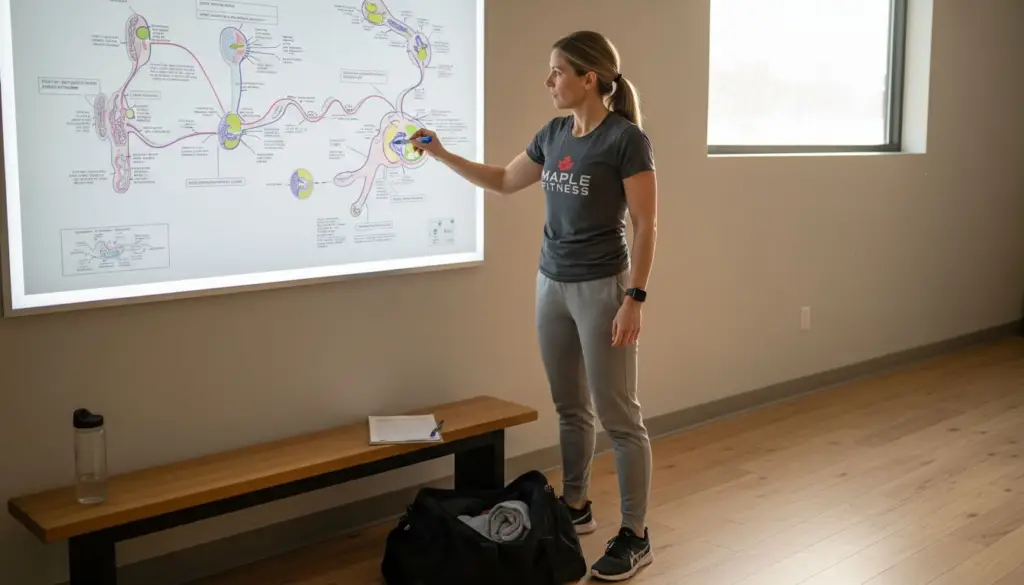
Bold claims about supplement-driven gains often overlook the hidden science guiding every step of recovery and performance. For fitness enthusiasts and health professionals striving for real progress, understanding the complexity of peptide receptors is crucial. These specialised proteins handle highly precise molecular interactions, far beyond simple cause and effect. Grasping the true nature of peptide receptor biology empowers professionals to challenge persistent myths and apply targeted strategies for improved recovery and athletic success.
Table of Contents
- Defining Peptide Receptors and Common Myths
- Major Types and Their Key Differences
- How Peptide Receptors Function in the Body
- Roles in Recovery, Performance, and Health
- Risks, Legal Issues, and Responsible Use
Key Takeaways
| Point | Details |
|---|---|
| Peptide Receptors are Complex Systems | Peptide receptors facilitate intricate molecular communication, enabling precise responses to various peptide signals. |
| Understanding Peptide Types Enhances Fitness Strategies | Knowledge of different peptide receptor types can help fitness professionals design targeted interventions for performance and recovery. |
| Peptides Play Key Roles in Health | Peptides are vital for tissue repair, inflammation reduction, and performance enhancement, offering a nuanced approach to health optimisation. |
| Awareness of Risks and Regulations is Essential | Responsible use of peptides requires understanding physiological risks, legal considerations, and adherence to ethical research practices. |
Defining Peptide Receptors and Common Myths
Peptide receptors represent sophisticated molecular communication channels that enable precise cellular signaling and physiological regulation. Unlike simplistic assumptions, these biological structures are remarkably complex systems that mediate intricate interactions between peptide molecules and cellular machinery.
At their core, peptide receptors are specialized protein structures located on cell membranes designed to recognize and respond to specific peptide signals. Detailed peptide receptor interactions reveal an extraordinary level of molecular specificity that challenges common misconceptions about their functioning. These receptors operate through several key mechanisms:
- Binding Specificity: Recognizing exact peptide sequences with high precision
- Signal Transmission: Converting external molecular messages into internal cellular responses
- Regulatory Functions: Controlling critical physiological processes like metabolism, immune response, and cellular communication
Several persistent myths about peptide receptors require careful deconstruction. Many fitness enthusiasts and health professionals incorrectly assume that receptor interactions are straightforward or uniform. In reality, peptide receptor biology represents a nuanced landscape of molecular complexity where individual receptors can demonstrate remarkable selectivity and adaptability.
Researchers have discovered that some peptide receptors, particularly those involved in immune surveillance, exhibit extraordinary recognition capabilities. Natural killer cell receptor specificity demonstrates how certain receptors can identify precise peptide sequences with near-perfect accuracy, challenging previous assumptions about generic recognition patterns.
Pro tip: Understanding peptide receptor complexity can help fitness professionals design more targeted recovery and performance enhancement strategies.
Major Types and Their Key Differences
Peptide receptors represent a diverse and sophisticated class of biological molecules with multiple distinct categories that play critical roles in cellular communication and physiological regulation. Peptide receptor classification reveals fascinating variations across different biological systems, each with unique structural and functional characteristics.
The primary categories of peptide receptors include:
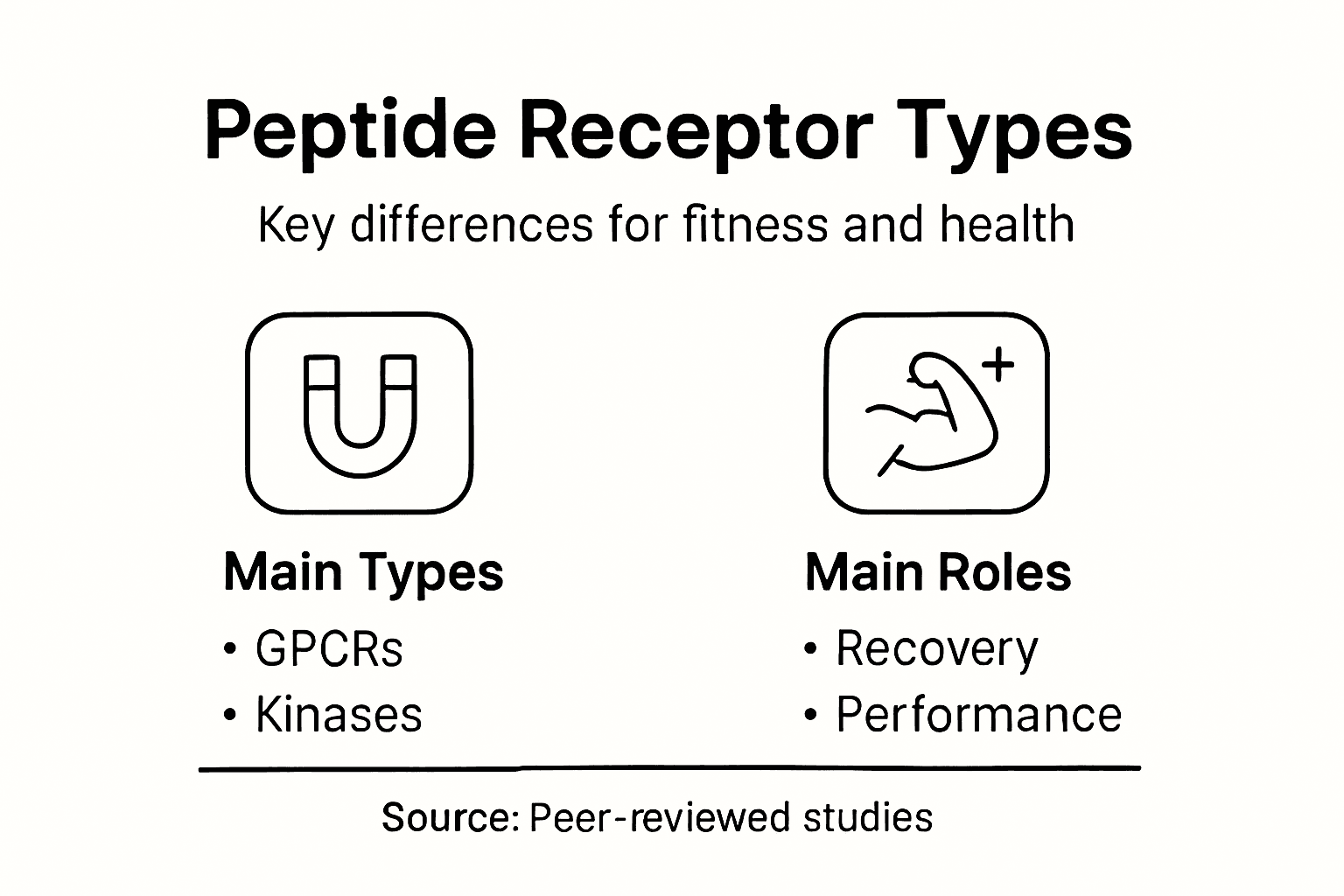
- G-Protein Coupled Receptors (GPCRs): The largest and most prevalent receptor family
- Characterised by seven transmembrane domains
- Enable rapid signal transmission
- Highly adaptable to diverse peptide interactions
- Receptor-Like Kinases: Predominantly found in plant systems
- Involve enzymatic phosphorylation mechanisms
- Critical for cellular development and response
- Ion Channel-Coupled Receptors: Facilitate direct electrical signal modulation
- Regulate membrane potential
- Enable immediate cellular responses
Structural diversity significantly influences receptor functionality. Peptide receptor signaling mechanisms demonstrate that each receptor type activates distinct intracellular pathways, creating a nuanced communication network within biological systems. GPCRs, for instance, can interact with an extraordinarily wide range of peptides, making them particularly versatile.
The key differentiating factors among peptide receptor types extend beyond their structural composition. They vary in ligand specificity, signal transduction speed, and the complexity of biological processes they regulate. Some receptors respond within milliseconds, while others trigger more prolonged cellular cascades, highlighting the intricate nature of molecular communication.
Pro tip: Fitness professionals should understand receptor type differences to design more targeted performance and recovery interventions.
Here’s a comparison of major peptide receptor types and their unique features:
| Receptor Type | Main Location | Signalling Speed | Key Physiological Role |
|---|---|---|---|
| G-Protein Coupled Receptors | Animal cells | Milliseconds to seconds | Hormone, neurotransmitter response |
| Receptor-Like Kinases | Plant cells | Seconds to minutes | Growth, stress adaptation |
| Ion Channel-Coupled | Nerve and muscle cells | Milliseconds | Electrical signal modulation |
How Peptide Receptors Function in the Body
Peptide receptors serve as sophisticated molecular communication channels that translate external signals into complex cellular responses. Peptide hormone signal transduction reveals a intricate process where cell-surface proteins interact with specific signaling molecules to trigger precise physiological mechanisms.
The primary mechanisms of peptide receptor function involve several critical steps:
- Initial Binding: Specific peptide molecules attach to receptor sites
- Signal Transmission: Receptor activation triggers internal cellular pathways
- Response Generation: Cellular mechanisms produce targeted physiological changes
- Enzyme activation
- Gene expression modifications
- Metabolic regulation
Molecular Signaling Pathways demonstrate remarkable complexity. Glucagon-like peptide receptor interactions illustrate how these receptors can simultaneously regulate multiple physiological processes, including blood glucose management and appetite control. The interactions involve sophisticated molecular mechanisms like cyclic AMP activation and beta-arrestin signalling.
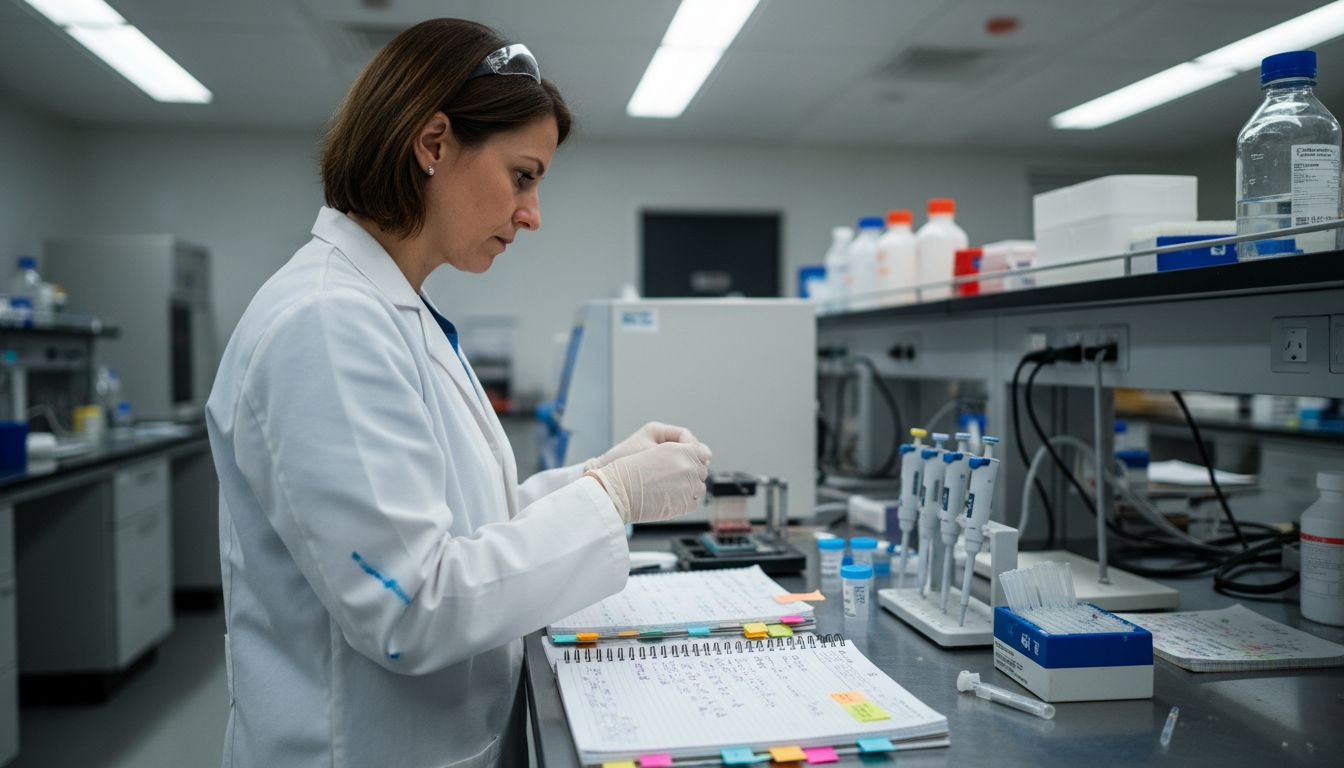
Different receptor types generate unique cellular responses. G protein-coupled receptors, enzyme-linked receptors, and ion channel-linked receptors each translate peptide signals through distinct molecular mechanisms. These variations allow for nuanced and precise physiological regulation, enabling the body to respond to complex environmental and internal stimuli with remarkable efficiency.
Pro tip: Understand your body’s peptide receptor mechanisms to optimise fitness performance and recovery strategies.
Roles in Recovery, Performance, and Health
Peptides emerge as critical molecular actors in optimising physical performance, recovery, and overall health. Peptide signaling mechanisms reveal their profound capacity to support tissue repair, modulate inflammation, and enhance physiological regeneration across multiple biological systems.
Key roles of peptides in fitness and health include:
- Tissue Repair and Regeneration
- Stimulate collagen production
- Accelerate muscle recovery
- Support cellular growth processes
- Inflammation Reduction
- Mediate immune system responses
- Minimise post-exercise inflammatory markers
- Promote faster healing
- Performance Enhancement
- Improve metabolic efficiency
- Support endocrine function
- Optimise mitochondrial energy production
Specific peptides like BPC-157 and IGF-1 demonstrate remarkable capabilities in targeted physiological interventions. Clinical research on peptide interactions demonstrates their integral role in supporting musculoskeletal health, metabolic regulation, and cellular repair mechanisms.
The complex interplay between peptides and biological systems highlights their sophisticated potential in fitness and health contexts. By modulating hormonal signals, supporting tissue repair, and enhancing metabolic functions, peptides represent a nuanced approach to performance optimisation that goes beyond traditional nutritional and training strategies.
Pro tip: Consult healthcare professionals to understand how specific peptides might support your individual fitness and recovery goals.
This summary highlights essential peptide-related opportunities and considerations for fitness and health:
| Application Area | Potential Benefit | Key Risk/Consideration |
|---|---|---|
| Muscle Recovery | Enhanced tissue repair | Possible immune reactions |
| Inflammation Control | Reduced post-exercise swelling | Need for professional guidance |
| Performance Boost | Improved metabolic function | Strict regulatory oversight |
Risks, Legal Issues, and Responsible Use
Navigating the complex landscape of peptide research requires a comprehensive understanding of potential risks and ethical considerations. Ethical peptide drug development demands rigorous attention to safety, regulatory compliance, and responsible scientific practice.
Key risks and considerations in peptide use include:
- Physiological Risks
- Potential immunogenicity responses
- Variability in individual metabolic reactions
- Unpredictable side effect profiles
- Legal Considerations
- Strict regulatory oversight
- Requirement for informed consent
- Compliance with research protocols
- Ethical Responsibilities
- Transparent research methodologies
- Prioritising participant safety
- Maintaining scientific integrity
Regulatory frameworks create essential guardrails for peptide research and application. These guidelines mandate comprehensive clinical testing, stringent safety evaluations, and robust consent procedures to protect participants and maintain scientific credibility.
Responsible use requires a holistic approach that balances potential therapeutic benefits with potential risks. Researchers and practitioners must continuously evaluate individual risk factors, monitor potential adverse reactions, and maintain transparent communication about peptide interventions.
Pro tip: Always consult qualified healthcare professionals and adhere to regulatory guidelines when considering peptide-based interventions.
Unlock the Power of Peptide Receptors for Enhanced Fitness and Recovery
Understanding peptide receptors is key to overcoming the challenges of targeted tissue repair, inflammation control, and performance optimisation. The complex roles these receptors play in cellular signalling can make it difficult to know where to start when looking to support your fitness goals safely and effectively. By grasping concepts like receptor specificity and signal transmission you gain an edge in developing strategies that truly work with your body’s molecular communication.

Explore how advanced peptide research and educational resources from Uncategorized – Northern Peptides can guide you to smarter fitness solutions. Act now to access reliable supplies and knowledge designed to empower your recovery and performance journey. Visit our main site at Northern Peptides and take the next step in customised peptide support today.
Frequently Asked Questions
What are peptide receptors and their role in fitness?
Peptide receptors are specialized protein structures on cell membranes that recognize specific peptide signals. They play a crucial role in cellular communication, regulating physiological processes such as metabolism, immune response, and tissue repair, which are important for fitness and overall health.
How do peptide receptors influence recovery after exercise?
Peptide receptors facilitate tissue repair and accelerate muscle recovery by stimulating collagen production and supporting cellular growth processes. They help to minimize post-exercise inflammation and promote faster healing of muscles.
What are the different types of peptide receptors and how do they function?
The main types of peptide receptors include G-Protein Coupled Receptors (GPCRs), receptor-like kinases, and ion channel-coupled receptors. Each type has unique properties, such as differences in signaling speed and the complexity of the physiological processes they regulate, allowing for specific responses to various peptides.
Are there any risks associated with using peptides for fitness?
Yes, potential risks include immunogenicity responses, variability in individual reactions, and unpredictable side effects. It’s important to consult healthcare professionals and adhere to regulatory guidelines when considering peptide-based interventions.