
Many fitness enthusiasts struggle with unclear peptide protocols, risking ineffective results or safety issues. Proper dosing, preparation, and cycling are essential to maximise muscle recovery peptides benefits while minimising risk. This guide provides a clear, step-by-step approach to using fitness peptides safely and effectively, empowering you to optimise recovery and performance with confidence.
Table of Contents
- Understanding Fitness Peptides: What They Are And How They Work
- Prerequisites: What You Need Before Starting Peptide Use
- Step-By-Step Protocol For Using Fitness Peptides Safely And Effectively
- Common Mistakes And Troubleshooting Tips
- Expected Results And Measurable Outcomes
- Safety Considerations And Warnings
- Advanced Strategies: Stacking And Alternatives
- Explore Our Peptide Resources And Tools
- FAQ
Key takeaways
| Point | Details |
|---|---|
| Peptides enhance recovery | They modulate biological processes to improve muscle repair, reduce recovery time, and support fat metabolism. |
| Prerequisites are essential | Medical consultation, sterile tools, and proper knowledge must be in place before starting any peptide protocol. |
| Follow precise protocols | Accurate dosing, reconstitution, injection technique, and cycling schedules ensure safety and maximise effectiveness. |
| Avoid common mistakes | Dosing errors, contamination, skipped rest cycles, and poor injection technique reduce benefits and increase risks. |
| Results take time | Initial effects appear within days to weeks, but full benefits typically develop over 8 to 12 weeks with consistent use. |
Understanding fitness peptides: what they are and how they work
Peptides are short chains of amino acids that influence critical biological pathways in your body. Unlike proteins, which contain hundreds of amino acids, peptides typically consist of 2 to 50 amino acids, allowing them to act as signalling molecules that trigger specific physiological responses. In fitness contexts, certain peptides trigger growth hormone release, aiding muscle growth, fat metabolism, and tissue repair.
These compounds support muscle repair by accelerating cellular regeneration and reducing inflammation. They enhance recovery by shortening the time your muscles need to heal after intense training sessions. Body composition improvements occur as peptides promote lean muscle development while facilitating fat oxidation, creating a more favourable anabolic environment.
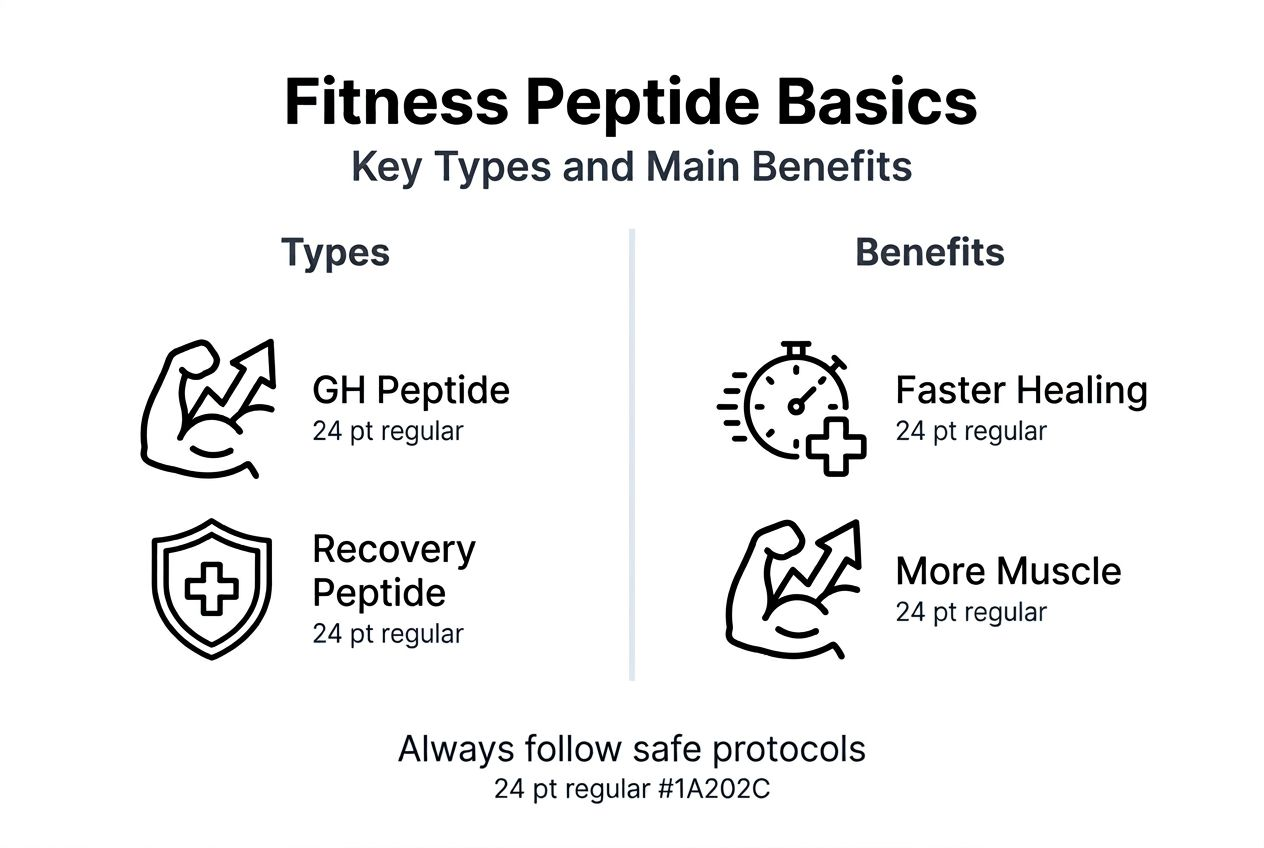
Not all peptides are the same. Different types target specific outcomes:
- Growth hormone secretagogues like CJC-1295 and Ipamorelin stimulate natural growth hormone production
- Healing peptides such as BPC-157 accelerate tissue repair and reduce inflammation
- Fat loss peptides like AOD-9604 target adipose tissue breakdown
- Performance peptides including TB-500 enhance endurance and recovery capacity
Understanding these distinctions helps you select recovery peptides that align with your specific training goals. Whether you prioritise muscle growth, injury recovery, or body recomposition, choosing the right peptide type matters significantly. This foundational knowledge sets the stage for implementing effective protocols that deliver measurable results while maintaining safety standards throughout your research peptides overview journey.
Prerequisites: what you need before starting peptide use
Before beginning any peptide protocol, you must gather essential materials and knowledge to ensure safe administration. You need sterile bacteriostatic water for reconstitution and insulin syringes (typically 0.5 to 1 mL with 29 to 31 gauge needles) for precise dosing. These tools allow accurate measurement and minimise injection discomfort.
Basic knowledge of subcutaneous injection technique and sterile handling is non-negotiable. You should understand proper injection angles (45 to 90 degrees depending on body fat), site rotation practices, and aseptic procedures to prevent contamination. Without this foundation, you risk infections, tissue damage, and inaccurate dosing that compromises results.
Medical consultation and sterile technique are critical prerequisites to minimise risks with peptide use. Consult a healthcare professional to assess your health status, identify contraindications, and determine if peptides align with your fitness goals safely. Certain conditions like active cancer, uncontrolled diabetes, or hormonal disorders may require modified approaches or complete avoidance.
Prepare your materials ahead of time using this fitness peptide checklist:
- Peptide vials (stored properly according to manufacturer specifications)
- Bacteriostatic water for reconstitution
- Insulin syringes with appropriate gauge and volume
- Alcohol wipes for skin and vial preparation
- Sharps disposal container for safe needle disposal
- Dosing calculator or reference chart for accurate measurements
Pro Tip: Practising injections with sterile saline solution can build confidence and reduce errors before administering actual peptides. This rehearsal helps you perfect technique, overcome injection anxiety, and establish proper habits without wasting expensive compounds or risking improper administration.
Step-by-step protocol for using fitness peptides safely and effectively
Following a structured protocol ensures you maximise benefits while maintaining safety throughout your peptide journey. Accurate dosing, reconstitution, and cycling protocols optimise peptide benefits while minimising side effects. Here’s your complete action plan:
-
Consult your healthcare provider: Schedule a comprehensive consultation to align peptide use with your fitness goals, medical history, and current health status. Your provider can identify potential interactions with medications or existing conditions.
-
Gather all necessary tools: Assemble peptides, bacteriostatic water, insulin syringes, alcohol swabs, sharps container, and dosing references before beginning. Having everything prepared reduces contamination risks and ensures smooth administration.
-
Reconstitute peptides properly: Follow manufacturer instructions precisely, injecting bacteriostatic water slowly down the vial side to avoid foaming. Gently swirl (never shake) until powder dissolves completely, maintaining sterile technique throughout.
-
Calculate exact injection volume: Determine your dose based on peptide concentration and desired amount. For example, if you have 5 mg of peptide in 2 mL of water and want 250 mcg, you’d inject 0.1 mL. Double-check calculations before drawing.
-
Administer subcutaneous injections: Clean the injection site with alcohol, pinch skin, insert needle at appropriate angle, inject slowly, and withdraw. Rotate sites between abdomen, thighs, and upper arms to prevent lipohypertrophy.
-
Follow recommended cycling schedules: Most protocols involve daily injections for 4 to 12 weeks followed by rest periods equal to or longer than the cycle duration. This prevents receptor desensitisation and maintains effectiveness.
-
Monitor your response: Track side effects, recovery improvements, body composition changes, and performance metrics. Adjust protocols with medical guidance if adverse reactions occur or results plateau.
Common dosage examples for popular fitness peptides:
- BPC-157: 250 to 500 mcg daily, typically split into two doses
- CJC-1295 with DAC: 50 to 100 mcg twice weekly
- Ipamorelin: 200 to 300 mcg two to three times daily
- TB-500: 2 to 2.5 mg twice weekly for loading, then maintenance doses
Pro Tip: Keep a detailed dosing and symptoms journal documenting injection times, doses, side effects, recovery rates, and performance changes. This record provides invaluable data for clinical reviews and helps you identify patterns that inform protocol optimisation.
Common mistakes and troubleshooting tips
Even experienced users make errors that compromise peptide effectiveness and safety. Over 30% of new users misdose peptides, risking side effects or reduced gains due to calculation errors or improper measuring techniques. Understanding these pitfalls helps you avoid setbacks and maintain consistent progress.
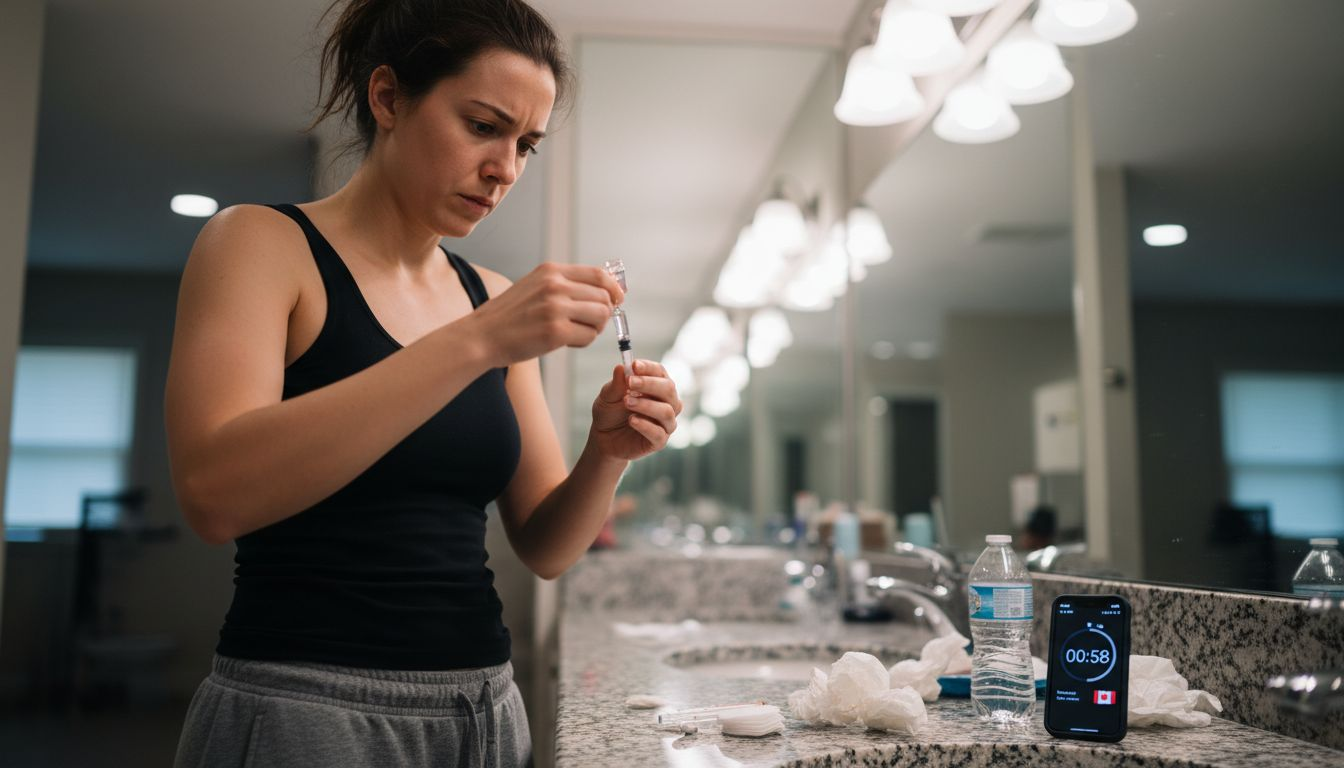
Dosing and reconstitution errors are common but preventable causes of reduced peptide effectiveness. Incorrect reconstitution causes contamination and inaccurate dosing when users add too much or too little bacteriostatic water, shake vials vigorously, or fail to maintain sterile conditions. These mistakes degrade peptide potency and introduce infection risks.
Skipping rest cycles leads to tolerance and diminished efficacy as receptors become desensitised to continuous stimulation. Your body adapts to sustained peptide presence, requiring higher doses for the same effects or experiencing complete response loss. Proper cycling with adequate rest periods maintains receptor sensitivity and long-term effectiveness.
Poor injection technique increases site irritation and infection risk through improper needle angles, inadequate skin preparation, or repeated use of the same injection location. These practices cause bruising, lumps, and potential bacterial introduction that compromises both comfort and safety.
Practical solutions to common mistakes:
- Use online dosage calculators to verify concentration and volume calculations before each injection
- Follow strict sterile technique including hand washing, alcohol wipes, and clean work surfaces
- Set calendar reminders for cycle start, end, and rest period dates to maintain adherence
- Create an injection site rotation chart marking abdomen, thigh, and arm locations to prevent overuse
- Store reconstituted peptides properly in refrigerators at 2 to 8 degrees Celsius
Pro Tip: Use smartphone alarms or dedicated medication reminder apps to maintain consistent dosing schedules and track rest cycles automatically. These tools eliminate memory-dependent adherence and help you maintain optimal timing for maximum benefits. Consider peptide sequencing tips for advanced protocol management.
Expected results and measurable outcomes
Setting realistic expectations helps you stay motivated and recognise genuine progress as it occurs. Most users see initial effects in days, full benefits in 8 to 12 weeks, measurable by recovery time, muscle gain, and fat loss. Initial benefits like reduced muscle soreness and improved sleep quality may appear within days to weeks of starting your protocol.
Full anabolic effects and significant body composition changes typically develop over 8 to 12 weeks of consistent use. This timeline reflects the gradual nature of tissue remodelling and metabolic adaptation that peptides facilitate. Patience and protocol adherence are essential for optimal results, as premature discontinuation prevents you from experiencing peak benefits.
Expected outcomes with proper peptide protocols:
| Metric | Timeframe | Expected improvement |
|---|---|---|
| Recovery time | 1 to 3 weeks | 20 to 30% faster between training sessions |
| Lean muscle mass | 8 to 12 weeks | 3 to 6% increase with proper training and nutrition |
| Body fat percentage | 8 to 12 weeks | 2 to 5% reduction when combined with appropriate diet |
| Sleep quality | 1 to 2 weeks | Noticeable improvement in depth and restfulness |
| Joint discomfort | 2 to 4 weeks | Significant reduction in training-related soreness |
Tracking metrics objectively helps you assess progress beyond subjective feelings. Use body composition analysis through DEXA scans or bioelectrical impedance at 4-week intervals. Record recovery time by noting how quickly strength returns after intense training sessions. Monitor performance gains through training logs documenting weight lifted, repetitions completed, and endurance markers.
Consistent protocol adherence matters more than any single factor in determining outcomes. Missing doses, inconsistent timing, or premature cycling adjustments compromise results significantly. Combine peptide use with appropriate training programming and nutritional support to maximise the synergistic effects that drive meaningful body composition and performance improvements.
Safety considerations and warnings
Understanding potential risks and implementing proper safeguards protects your health throughout peptide use. Up to 15% experience mild injection site reactions; monitoring and physician oversight reduce adverse effects by 30%. Mild injection site reactions occur in 10 to 15% of users and typically include redness, swelling, or minor discomfort that resolves within hours to days.
Hormonal imbalances represent rare but serious risks requiring vigilant monitoring for symptoms. Some peptides influence growth hormone, insulin-like growth factor, or cortisol levels, potentially causing fatigue, mood changes, or metabolic disruptions if used improperly. Regular blood work and clinical assessment help detect imbalances early before they become problematic.
Medical supervision can reduce systemic adverse events by approximately 30% through proper screening, dosing guidance, and monitoring protocols. Healthcare professionals identify contraindications, adjust protocols based on individual responses, and intervene quickly if complications arise. This oversight transforms peptide use from experimental self-administration into medically supervised optimisation.
Medical supervision drastically reduces the risks associated with peptide therapy.
Rotate injection sites systematically to minimise infection and tissue damage risks. Create a rotation schedule covering at least 8 to 10 different sites across your abdomen, thighs, and upper arms. Never inject into the same location more frequently than once per week, allowing tissue adequate recovery time between administrations.
Practice rigorous sterile techniques for every injection:
- Wash hands thoroughly before handling materials
- Clean vial tops and injection sites with fresh alcohol wipes
- Never reuse needles or syringes under any circumstances
- Dispose of sharps immediately in puncture-resistant containers
- Refrigerate reconstituted peptides and discard after manufacturer-specified timeframes
Regularly check in with healthcare professionals for balance and side effect monitoring. Schedule follow-up appointments at 4 to 6 week intervals during initial cycles, then every 8 to 12 weeks for maintenance protocols. These consultations ensure your approach remains safe, effective, and aligned with your evolving health status and fitness goals.
Advanced strategies: stacking and alternatives
Once you’ve mastered basic protocols, advanced strategies can amplify results through synergistic combinations. Stacking peptides like CJC-1295 and Ipamorelin synergistically amplifies growth hormone release beyond what either compound achieves alone. CJC-1295 extends growth hormone pulses while Ipamorelin triggers more frequent releases, creating sustained elevation throughout the day.
Single versus stacked peptides present trade-offs between complexity and efficacy. Single peptide protocols offer simplicity, easier troubleshooting, and lower cost, making them ideal for beginners. Stacked protocols deliver superior results through complementary mechanisms but require careful attention to timing, dosing interactions, and cumulative side effect monitoring.
Alternative peptides offer options tailored to specific goals beyond general performance enhancement. For targeted fat loss, consider AOD-9604 or fragment 176-191, which specifically stimulate lipolysis without affecting blood glucose. For injury repair, BPC-157 and TB-500 accelerate healing through different pathways, making them complementary for serious recovery needs.
| Peptide | Primary effect | Typical dosage | Cycle length |
|---|---|---|---|
| BPC-157 | Tissue repair, inflammation reduction | 250 to 500 mcg daily | 4 to 8 weeks |
| CJC-1295 | Growth hormone release, muscle growth | 50 to 100 mcg twice weekly | 8 to 12 weeks |
| Ipamorelin | Growth hormone pulses, recovery | 200 to 300 mcg 2 to 3 times daily | 8 to 12 weeks |
| TB-500 | Injury healing, flexibility | 2 to 2.5 mg twice weekly | 4 to 6 weeks |
Stacking benefits and considerations:
- Enhanced results through complementary mechanisms targeting multiple pathways simultaneously
- Potential for lower individual doses when compounds work synergistically
- Increased complexity requiring precise timing and dose calculations
- Higher cost due to multiple compounds used concurrently
- Greater monitoring needs to identify which compound causes any adverse effects
Selecting stacks requires careful attention to dosing relationships and cycle management. Start conservative with lower end doses when combining compounds initially, then adjust based on tolerance and results. Maintain detailed records separating the effects of each compound to inform future protocol refinements and identify optimal personal combinations.
Explore our peptide resources and tools
Northern Peptides provides comprehensive resources to help you implement peptide protocols safely and effectively. Our peptide information resources offer the latest updates on product offerings, scientific research, and best practices for peptide use in fitness contexts.

Use our peptide concentration calculator to ensure accurate dosing every time, eliminating calculation errors that compromise results or safety. This tool simplifies the mathematics behind reconstitution and injection volume determination, giving you confidence in every administration.
Access expert peptide educational resources to deepen your understanding of peptide mechanisms, applications, and optimisation strategies. Our materials bridge scientific research with practical implementation, empowering you to make informed decisions about your fitness enhancement journey. Whether you’re beginning your first cycle or refining advanced protocols, these resources support your continued learning and success.
FAQ
What are the main benefits of using fitness peptides?
Peptides can enhance muscle repair by accelerating cellular regeneration, boost recovery by reducing inflammation and healing time, promote fat loss through improved metabolism, and improve overall performance capacity. They work by modulating hormones like growth hormone and insulin-like growth factor while accelerating healing processes at the cellular level.
How long does it take to see results from peptides?
Initial effects like reduced soreness and improved sleep often appear within days to weeks of starting your protocol. Full benefits including significant muscle gain, fat loss, and performance improvements typically require 8 to 12 weeks of consistent use. Results depend on peptide type, accurate dosing, training intensity, nutritional support, and individual factors like age and baseline fitness level.
What safety precautions should I take when using peptides?
Always consult a healthcare professional before starting any peptide protocol to assess contraindications and establish monitoring plans. Maintain sterile injection techniques using fresh alcohol wipes, clean hands, and proper needle disposal. Rotate injection sites systematically to prevent tissue damage, and adhere strictly to recommended dosing protocols and cycling schedules.
Can I combine different peptides for better results?
Yes, stacking peptides like CJC-1295 with Ipamorelin can amplify effects through complementary mechanisms that enhance growth hormone release beyond single compound use. However, stacking requires careful dosing calculations, precise timing, and vigilant monitoring for cumulative side effects. Consult healthcare professionals to customise stacks safely based on your specific goals and health status.
What tools do I need to start using peptides?
Essential tools include sterile bacteriostatic water for proper reconstitution, insulin syringes with 29 to 31 gauge needles for accurate dosing, alcohol wipes for skin and vial preparation, and a sharps disposal container for safe needle management. You also need knowledge of proper subcutaneous injection technique and site rotation practices. Medical consultation remains critical before starting any protocol.