
Navigating the burgeoning landscape of research peptides can be a complex endeavor, especially when confronting two compounds as frequently discussed as BPC-157 and TB-500. As you stand at the precipice of potential therapeutic exploration in 2026, the question of which one to incorporate into your investigative protocols is a valid and crucial one. This article aims to dissect their respective mechanisms, reported applications, and potential considerations, offering a balanced perspective to assist you in making an informed decision.
BPC-157, or Body Protection Compound-157, is a synthetic peptide consisting of 15 amino acids, originally isolated from human gastric juice. Its primary physiological role appears to be involved in maintaining mucosal integrity and facilitating repair processes within the gastrointestinal tract. However, its observed effects extend far beyond its initial identification.
Mechanisms of Action: BPC-157 vs. TB-500 The Multifaceted Approach
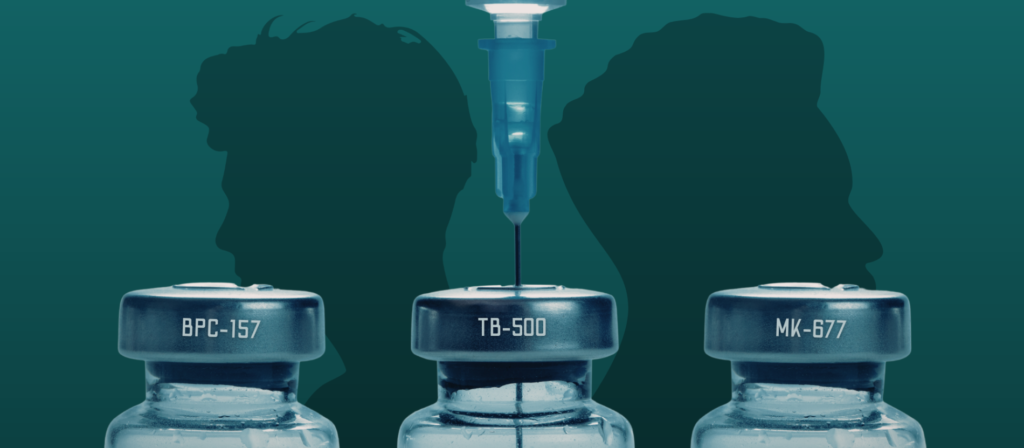
When you delve into the cellular and molecular underpinnings of BPC-157, you discover a peptide with a broad spectrum of influence. Its actions are not singular but rather a carefully orchestrated symphony of cellular responses.
Angiogenesis and Neovascularization
One of the most frequently cited mechanisms is its ability to promote angiogenesis – the formation of new blood vessels. You’ll find research indicating that BPC-157 upregulates growth factors like VEGF (Vascular Endothelial Growth Factor), critical for supplying damaged tissues with necessary nutrients and oxygen. This enhanced blood flow directly contributes to tissue repair and regeneration. Consider a scenario where a tendinous injury restricts blood supply; BPC-157’s potential to improve vascularization could be a significant advantage in such instances.
Collagen Synthesis and Extracellular Matrix Remodeling
Beyond vascularity, BPC-157 appears to play a role in the synthesis and organization of collagen, the primary structural protein of connective tissues. You’ll encounter studies suggesting it can influence fibroblasts, the cells responsible for collagen production, thereby promoting more robust repair of damaged ligaments, tendons, and even bone. Think of its potential to optimize the healing architecture, rather than just patching up a wound.
Anti-inflammatory and Cytoprotective Effects
Another important facet of BPC-157’s action is its reported anti-inflammatory properties. You’ll observe data suggesting it can modulate inflammatory pathways, reducing the production of pro-inflammatory cytokines while increasing anti-inflammatory mediators. This can be crucial in mitigating secondary damage following acute injury and creating a more conducive environment for healing. Furthermore, its cytoprotective effects imply an ability to directly shield cells from damage, particularly in contexts like oxidative stress or toxin exposure.
Modulation of Growth Hormone Receptors
While not as extensively documented as its other mechanisms, some preliminary research suggests BPC-157 might interact with growth hormone receptors or influence their signaling pathways. This could potentially amplify the anabolic environment and further contribute to tissue repair and regeneration, though more definitive research is required to fully elucidate this aspect.
Reported Applications: From Gut to Joint
Your exploration of BPC-157 will reveal a wide array of potential applications, often stemming from its fundamental mechanisms of action.
Gastrointestinal Health
Given its origin, it’s unsurprising that a significant focus of BPC-157 research remains on gastrointestinal conditions. You’ll see investigations into its potential for healing gastric ulcers, protecting against NSAID-induced damage, and ameliorating symptoms of inflammatory bowel diseases. Its ability to maintain mucosal integrity and promote epithelial cell repair makes it an interesting candidate for these applications.
Musculoskeletal Injuries
This is perhaps where BPC-157 garners the most attention in the general research community. You’ll find numerous anecdotal reports and preclinical studies highlighting its promise in accelerating the healing of various musculoskeletal injuries, including torn muscles, damaged tendons (e.g., Achilles, rotator cuff), ligaments, and even bone fractures. Its pro-angiogenic and collagen-promoting characteristics are particularly relevant here.
Neurological Applications
While still in earlier stages of investigation, there’s growing interest in BPC-157’s potential neuroprotective effects. You might encounter studies exploring its role in mitigating the damage from brain injuries, spinal cord injuries, and even certain neurodegenerative conditions. Its anti-inflammatory and cytoprotective properties, coupled with its ability to potentially influence neurotransmitter systems, are pathways being explored.
If you’re considering the benefits of BPC-157 and TB-500 for recovery and healing, you might find it helpful to explore a related article that delves into the basics of research peptides and their applications. This comprehensive guide offers insights into how these peptides work, their potential benefits, and what to consider when choosing the right one for your needs. For more information, check out the article here: Beginners Guide to Research Peptides: Recovery.
Decoding TB-500: The Thymosin Beta-4 Pathway
TB-500 is a synthetic version of Thymosin Beta-4 (Tβ4), a naturally occurring polypeptide present in virtually all human and animal cells. Tβ4 plays a pivotal role in cell survival, migration, differentiation, and tissue repair. Unlike BPC-157, which has a more direct gastric origin, Tβ4 is a ubiquitous intracellular protein with widespread biological functions.
Mechanisms of Action: A Focus on Actin and Cell Migration
The core of TB-500’s mechanism lies in its interaction with actin, a key structural protein involved in cell mobility and cellular processes.
Actin Regulation and Cell Motility
You’ll discover that Tβ4’s most significant known role is its ability to sequester actin monomers. By binding to G-actin (globular actin), it prevents its polymerization into F-actin (filamentous actin). This regulation of actin dynamics is crucial for various cellular activities, including cell migration, angiogenesis, and tissue remodeling. Imagine cells needing to move to a site of injury; TB-500 can facilitate this movement, thereby expediting the healing process.
Promotion of Angiogenesis
Similar to BPC-157, TB-500 is a potent promoter of angiogenesis. Research indicates it directly stimulates endothelial cell migration and differentiation, leading to the formation of new blood vessels. This effect is crucial for delivering oxygen and nutrients to damaged tissues and removing waste products, thereby accelerating tissue repair.
Anti-inflammatory and Wound Healing Effects
You’ll observe evidence suggesting TB-500 possesses anti-inflammatory properties by modulating the activity of inflammatory cells and cytokines. Furthermore, its role in cell migration and extracellular matrix remodeling directly contributes to enhanced wound healing, allowing for faster closure of skin wounds and improved tissue regeneration.
Stem Cell Mobilization and Differentiation
Some research suggests that Tβ4 may influence the mobilization and differentiation of various stem cell populations. By creating a more favorable microenvironment and promoting cell migration, it could potentially enhance the body’s intrinsic regenerative capacity, though this area requires further in-depth investigation.
Reported Applications: Systemic Regeneration
The widespread presence and fundamental biological functions of Tβ4 translate into a broad range of potential applications for TB-500.
Musculoskeletal Recovery
Similar to BPC-157, TB-500 has garnered considerable attention for its potential in accelerating recovery from musculoskeletal injuries, including muscle tears, tendon damage, and ligament sprains. Its ability to promote cell migration, angiogenesis, and reduce inflammation are key drivers in these applications.
Cardiac Health and Repair
A significant area of interest for TB-500 research lies in its potential for cardiac repair and protection. You’ll find studies investigating its role in mitigating damage from myocardial infarction (heart attack) by promoting angiogenesis in ischemic areas, reducing fibrosis, and improving cardiac function. Its anti-inflammatory effects also contribute to a more favorable recovery environment post-injury.
Ocular and Dermal Healing
Due to its profound influence on cell migration and extracellular matrix remodeling, TB-500 is being explored for its potential in wound healing in various tissues, including the skin and eyes. You might encounter studies on its efficacy in accelerating dermal wound closure, reducing scar formation, and treating corneal injuries.
Neurological Protection
Like BPC-157, TB-500 shows promise in neurological contexts. Its anti-inflammatory and neuroprotective properties are being investigated for their potential in reducing damage from stroke, traumatic brain injury, and other neurological insults. The ability to promote new blood vessel formation in compromised neural tissues is also a focus of research.
BPC-157 vs. TB-500: Key Distinctions and Overlaps
As you consider which peptide might be more suitable for your specific research goals, it’s important to highlight their key differences and where their therapeutic overlap might occur. Understanding these distinctions will guide your decision-making process.
Targeted vs. Systemic Effects
One of the primary distinctions lies in their perceived operational scope. You might consider BPC-157 to exert more localized and specific effects, particularly in the context of direct injury repair and gastrointestinal healing. While it does have systemic anti-inflammatory properties, its most pronounced benefits often seem to manifest at or near the site of administration or injury. TB-500, on the other hand, with its ubiquitous presence and fundamental role in cellular processes, is often viewed as having a more systemic regenerative impact, capable of influencing healing across various tissue types throughout the body.
Primary Mechanisms
Their fundamental operational mechanisms, while both leading to tissue repair, differ significantly. BPC-157’s primary mechanisms revolve around promoting angiogenesis, modulating growth factor expression (like VEGF), influencing collagen synthesis, and providing direct cytoprotection. TB-500’s core mechanism centers on its interaction with actin, thereby regulating cell migration, promoting angiogenesis, and influencing stem cell activity. You should view these as complementary, rather than mutually exclusive, pathways to healing.
Injury Type and Location Specificity
If your focus is on a highly localized injury, such as a specific tendon tear or a gastric ulcer, BPC-157 might be perceived as a more targeted solution. Its ability to concentrate healing factors at the site of administration could be advantageous. If you are dealing with more systemic issues, widespread inflammation, or multiple areas of tissue damage, TB-500’s broad regenerative potential might offer a more comprehensive approach. For example, in post-heart attack recovery, where widespread tissue remodeling and angiogenesis are required, TB-500’s systemic nature could be particularly beneficial.
Practical Considerations for 2026
Beyond the molecular mechanisms and reported applications, several practical considerations will influence your choice between BPC-157 and TB-500 in 2026. This includes purity, source, and administration routes.
Sourcing and Purity
In 2026, the emphasis on quality and purity in research peptides has only intensified. You must ensure you are sourcing your peptides from reputable laboratories that provide detailed certificates of analysis (CoAs) verifying purity, identity, and the absence of contaminants. The market for research chemicals can be volatile, and counterfeit products are a persistent concern. Verifying third-party testing is a prudent step to ensure the integrity of your research.
Administration Routes and Half-Life
Both BPC-157 and TB-500 are typically administered via subcutaneous (SC) or intramuscular (IM) injection. You’ll find a common protocol for BPC-157 to be administered near the site of injury for localized effects, though systemic administration is also explored. TB-500 is often injected systemically due to its broader effects. Consider the practicality and ethical implications of injection frequency and site selection in your research protocols. The half-life of these peptides, while not extensively documented for human use in all contexts, generally suggests a need for daily or every-other-day administration to maintain consistent levels for optimal therapeutic effect.
Potential Interactions and Contraindications
While both peptides are generally considered to have a favorable safety profile in preclinical studies, you should always be vigilant for potential interactions with other compounds or pre-existing conditions. As research progresses into 2026, more data may emerge regarding specific interactions, particularly in combinatorial protocols. It is prudent to conduct thorough literature reviews and potentially consult with experts to identify any contraindications relevant to your specific research subjects or models. You should approach their use with the same rigorous scientific scrutiny as any other research compound.
When considering the benefits of BPC-157 and TB-500, it’s also worth exploring the broader implications of peptide therapy in various fields, including anti-aging. A related article discusses the role of peptides in anti-aging science and how they may influence overall health and longevity in 2026. For more insights on this topic, you can read the article here. Understanding these connections can help you make a more informed decision about which peptide might be the best fit for your needs.
The Choice: BPC-157 vs. TB-500, or Both?
| Comparison | BPC-157 | TB-500 |
|---|---|---|
| Origin | Peptide derived from a protein found in the stomach | Peptide derived from thymosin beta-4 |
| Benefits | Anti-inflammatory, wound healing, tissue repair | Promotes muscle growth, flexibility, and reduces inflammation |
| Administration | Oral or subcutaneous injection | Subcutaneous injection |
| Side Effects | Mild and rare | Mild and rare |
| Cost | Varies | Varies |
The question of which one to choose often leads to a more nuanced answer in 2026. Rather than a definitive “either/or,” you might find that a strategic “both” approach yields the most comprehensive benefits, depending on your research objectives.
When to Consider BPC-157 Primarily
You might lean towards BPC-157 if your research is specifically targeting:
- Localized acute injuries: Tendonitis, ligament sprains, muscle tears in a specific area.
- Gastrointestinal healing: Ulcers, inflammatory bowel conditions, general gut integrity.
- Tissue repair where angiogenesis and collagen remodeling are paramount at the site of injury.
- Situations where direct tissue protection and anti-inflammatory effects at the wound site are critical.
When to Consider TB-500 Primarily
TB-500 might be your primary choice if your research is focused on:
- Systemic regenerative processes: Widespread tissue damage, multiple injury sites.
- Cardiac repair and function improvement post-ischemia.
- Enhancing overall recovery from strenuous activity or widespread tissue stress.
- Situations where general cell migration, wound healing, and broad anti-inflammatory effects are desired across various tissues.
The Synergistic Approach: Combining BPC-157 and TB-500
In 2026, a growing body of anecdotal and preliminary evidence suggests that combining BPC-157 and TB-500 could offer synergistic benefits, leveraging their distinct yet complementary mechanisms. You might find that BPC-157 provides the localized, targeted repair and anti-inflammatory effects, while TB-500 offers a broader, systemic regenerative push, enhancing cell migration and overall tissue remodeling. Think of BPC-157 as the precision mechanic and TB-500 as the general contractor, both contributing to a robust restoration project. If your research involves complex or widespread injuries, or aims to optimize overall recovery across multiple tissue types, a combined protocol could be a compelling avenue for exploration.
In conclusion, your decision between BPC-157 and TB-500 in 2026 will depend on the specific nature of your research questions, the type of injury or condition you are investigating, and the desired therapeutic outcome. Both peptides offer unique and powerful regenerative properties, and a thorough understanding of their individual mechanisms and reported applications is crucial for making an informed and effective choice.
FAQs
1. What is BPC-157 and TB-500?
BPC-157 and TB-500 are peptides that have gained attention for their potential healing and regenerative properties. BPC-157 is a synthetic peptide derived from a protein found in the stomach, while TB-500 is a synthetic version of a naturally occurring peptide present in human and animal bodies.
2. What are the potential benefits of BPC-157 and TB-500?
Both BPC-157 and TB-500 have been studied for their potential to promote tissue repair, reduce inflammation, and support muscle and joint health. They are also being researched for their potential to aid in the healing of injuries, such as tendon and ligament damage.
3. Are there any differences between BPC-157 and TB-500?
While both peptides are being studied for similar potential benefits, they have different mechanisms of action in the body. BPC-157 is believed to promote healing by stimulating the formation of new blood vessels and supporting the growth of new tissue, while TB-500 is thought to promote healing by regulating cell migration and promoting cell differentiation.
4. What are the potential side effects of BPC-157 and TB-500?
Both BPC-157 and TB-500 are generally considered to be well-tolerated, with few reported side effects in research studies. However, as with any supplement or medication, individual responses may vary, and it is important to consult with a healthcare professional before use.
5. Which one should you choose, BPC-157 or TB-500?
The choice between BPC-157 and TB-500 depends on individual health goals and needs. It is important to consult with a healthcare professional who can provide personalized recommendations based on specific health concerns, medical history, and individual response to treatment.