Ever wondered if that new peptide supplement you’ve seen advertised is the real deal, or just another passing trend? You’ve probably heard a lot about peptides lately. They’re everywhere, promised to help with everything from muscle growth to anti-aging. But when it comes to actually using them, you’ve likely hit a fork in the road: oral capsules or injections. It’s a crucial distinction, and understanding it can make a big difference in your results and overall experience.
Oral peptides offer convenience and ease of use but face significant bioavailability challenges. Injectable peptides generally provide higher bioavailability and more predictable absorption, leading to potentially faster and more potent effects. The choice depends on individual needs, goals, and comfort levels with administration methods.
When considering the advantages and disadvantages of oral versus injectable peptides, it’s essential to explore related topics that can enhance your understanding of peptide selection and usage. A valuable resource on this subject is the article titled “How to Select Recovery Peptides: A Guide,” which provides insights into choosing the right peptides for recovery purposes. For more information, you can read the article here: How to Select Recovery Peptides: A Guide. This guide complements the discussion on the pros and cons of different peptide administration methods by focusing on recovery-specific peptides and their applications.
Navigating the Peptide Maze: What Exactly Are We Talking About?
Peptides are essentially short chains of amino acids. Think of them as smaller versions of proteins, acting as the building blocks. They’re naturally present in our bodies and play a massive role in countless biological processes. They can act as signaling molecules, hormones, and even neurotransmitters, influencing everything from how our cells communicate to how our bodies repair themselves.
We’re talking about compounds like BPC-157, a popular peptide known for its potential healing properties, or CJC-1295, often used for its effects on growth hormone. These aren’t just scientific curiosities; they’re being explored for their therapeutic applications, from aiding recovery after injuries to improving metabolic health. But how these beneficial molecules actually get into your system is where the oral versus injectable debate really heats up. It’s not just about popping a pill versus giving yourself a shot; it’s about how effectively your body can utilize the peptide.
The Biological Ballet: How Peptides Work
Understanding how peptides function is key to appreciating the differences in their delivery. These tiny messengers are incredibly specific. They bind to certain receptors on cell surfaces, triggering a cascade of events within the cell. This targeted action is what makes them so exciting for various applications. For instance, a peptide designed to stimulate collagen production will likely bind to receptors on skin cells, prompting them to create more of this vital protein. It’s a sophisticated biological dance, and the way we introduce the peptide directly impacts how well that dance can be performed.
Bioavailability: The Elephant in the Room
This is where things get tricky, and it’s arguably the most important factor to consider when choosing between oral and injectable peptides. Bioavailability refers to the proportion of a substance that enters the circulation when introduced into the body and is able to have an active effect. With oral peptides, the journey from your stomach to your bloodstream is fraught with peril, much like a tiny messenger trying to navigate a bustling city.
The Oral Route: Convenience Versus Efficacy

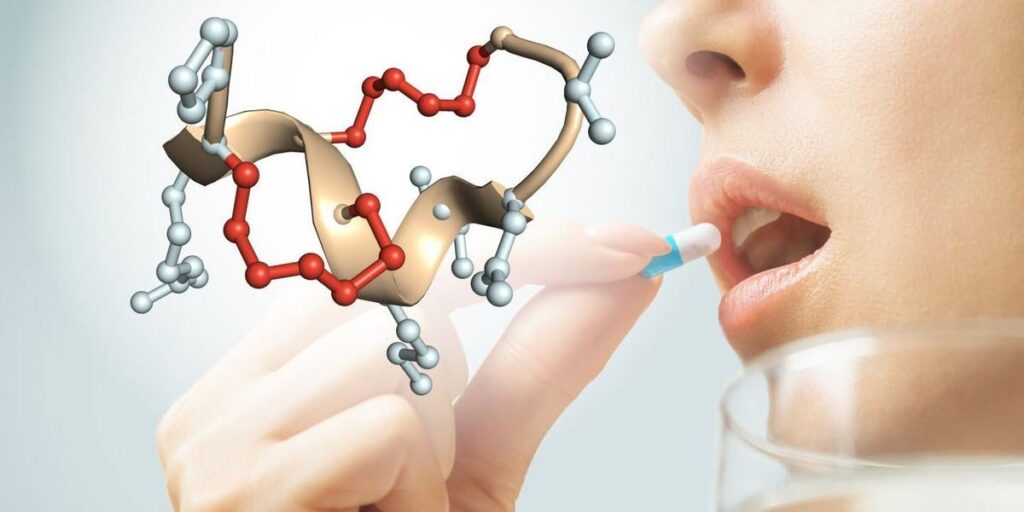
The appeal of oral peptides is undeniable. Who wouldn’t prefer a simple capsule or sublingual tablet over a needle? It feels much less invasive and fits easily into a daily routine. You can take it at home, at work, or on the go. This ease of use is a huge draw for many people looking to incorporate peptides into their wellness regimen.
However, this convenience often comes at a cost. When you swallow a peptide, it has to survive the harsh environment of your digestive system. Stomach acid is incredibly potent, designed to break down food into its basic components. Many peptides are proteins or short protein chains, and stomach acid can easily denature them, essentially destroying their structure and rendering them useless before they can even be absorbed. Then, even if they survive the stomach, they have to get through the gut lining and past the liver. The liver acts as a filter, metabolizing many compounds before they can reach the rest of your body. So, while you might be taking a certain dose, the amount that actually enters your bloodstream and can do its job might be significantly lower.
The Digestive Gauntlet
Imagine you’re sending a delicate letter through a strong industrial shredder. That’s somewhat what happens to oral peptides in your stomach. The enzymes and acids are designed to break down everything. Some peptides are more robust than others, but it’s a constant battle for them to maintain their integrity. I’ve found that some companies try to protect oral peptides with special coatings or formulations, but it’s still a significant hurdle to overcome.
Absorption Challenges
Even if a peptide survives digestion, getting it across the intestinal wall into the bloodstream isn’t a guarantee. This intestinal barrier is selective; it’s designed to let nutrients in but keep harmful substances out. Some peptides might not be easily transported across this barrier, further reducing the amount that actually circulates. This is why studies investigating oral peptide efficacy often report much lower success rates compared to injectable forms. It’s a process that’s far from foolproof.
The Injectable Path: Precision and Power

Injectable peptides, on the other hand, bypass the digestive system almost entirely. This is their major advantage. When you inject a peptide (usually subcutaneously, meaning just under the skin, or intramuscularly, into a muscle), it enters your bloodstream much more directly. Think of it as delivering your messenger directly to the city hall, rather than sending it through the mail system and hoping it gets processed.
This direct route means significantly higher bioavailability. For most injectable peptides, you can expect a much larger percentage of the administered dose to reach your target tissues and exert its intended effect. This translates to more predictable and often more potent results. If a peptide is known to be effective at a certain dose, you’re much more likely to achieve that effect with an injection than with an oral form of the same peptide. This is particularly crucial for peptides that are already somewhat fragile or have a short half-life in the body.
Subcutaneous vs. Intramuscular: Making the Choice
Within injectables, there’s a distinction to be made. Subcutaneous injections are given just beneath the skin, usually in areas like the abdomen or thigh, where there’s a bit of fatty tissue. This allows for a slower, more sustained release of the peptide into the bloodstream. Intramuscular injections go deeper, into the muscle tissue. This typically leads to a faster absorption rate. The choice between these often depends on the specific peptide and the desired onset and duration of action. For example, a peptide that needs to work quickly might be administered intramuscularly, while one that provides a more prolonged effect might be suited for subcutaneous injection.
Needle Phobia and the Learning Curve
Now, I know what you might be thinking: needles. For many, the thought of self-injection is a major deterrent. It’s a valid concern, and it’s something you absolutely need to be comfortable with. It’s not just about pushing past a momentary discomfort; it’s about consistently administering a substance to yourself. However, with proper education and practice, most people find that the process becomes quite manageable. There are many resources available, and often, a healthcare professional can guide you through your first few injections. It’s a learning curve, but it’s one that many people successfully navigate for the benefits they receive.
When considering the advantages and disadvantages of oral versus injectable peptides, it’s essential to explore various aspects of their use in wellness and recovery. A related article discusses the regulatory landscape surrounding peptides and their implications for health outcomes, which can provide valuable insights into this topic. For more information, you can read about it in this article on peptide regulation. Understanding these factors can help individuals make informed decisions about their peptide therapies.
Comparing the Core Differences: A Direct Showdown
| Aspect | Oral Peptides | Injectable Peptides |
|---|---|---|
| Administration | Easy to take, no need for injections | Requires injections, may be uncomfortable for some |
| Absorption | May have lower bioavailability due to digestion | Higher bioavailability as it bypasses digestion |
| Convenience | Convenient for those who dislike injections | May require more frequent administration |
| Effectiveness | May be less effective due to digestion | More effective due to higher bioavailability |
| Cost | Generally more affordable | May be more expensive due to equipment and supplies |
Let’s break down the key differences head-to-head. It’s not about which one is inherently “better” in all situations, but which one is better for you.
Efficacy and Onset of Action
As we’ve discussed, injectable peptides generally offer higher efficacy due to superior bioavailability. This means you’re likely to see results sooner and more reliably. Oral peptides can be so degraded by the digestive process that the amount absorbed is often too low to produce a noticeable effect. For some peptides, particularly those that are new or have very specific mechanisms of action, oral delivery might simply not be a viable option for achieving therapeutic levels. It’s a matter of getting enough of the active compound into your system to trigger the desired biological response.
Cost Considerations
This is a nuanced area. Periodically, oral peptides might seem cheaper on a per-dose basis. However, when you factor in the significantly lower bioavailability, you might end up needing to take more oral peptides to achieve a similar effect as a lower dose of an injectable peptide. This can quickly negate any perceived cost savings. Furthermore, the research and development required to create effective oral delivery systems for peptides are significant, and these costs can be passed on to the consumer. Injectable peptides, while requiring sterile manufacturing and precise dosing, often represent a more straightforward path to getting the active ingredient to its target. It’s important to look at the **cost per effective dose**, not just the upfront sticker price.
Ease of Use and Lifestyle Fit
Here’s where oral peptides shine. They are undeniably easier for daily integration into your life. No preparation, no injections, just a simple swallow. If puncturing your skin is a hard no for you, or if your lifestyle makes consistent injection difficult (e.g., frequent travel without secure refrigeration), then oral options might be your only practical choice, despite their potential limitations. However, if you’re able and willing to manage injections, the trade-off for enhanced efficacy is often well worth it. I’ve seen individuals seamlessly incorporate subcutaneous injections into their morning routine, making it as routine as brushing their teeth.
Safety and Side Effects
Both routes have potential side effects, but they tend to differ. With oral peptides, the primary concern is often related to digestive upset if the peptide irritates the stomach lining or if the accompanying excipients cause issues. For injectables, common side effects include localized pain, redness, bruising, or itching at the injection site. Systemic side effects are generally less common with correctly dosed and sourced peptides, but as with any substance introduced to your body, there’s always a risk of unintended reactions. It’s crucial to obtain peptides from reputable sources and to consult with a healthcare professional, especially if you have any pre-existing medical conditions or are taking other medications.
When considering the advantages and disadvantages of oral versus injectable peptides, it’s essential to explore various aspects of their efficacy and application. A related article discusses the recovery benefits of synthetic peptides, which can provide valuable insights into their therapeutic potential. For more information on this topic, you can read the article on the benefits of synthetic peptides for recovery here. Understanding these nuances can help individuals make informed decisions about which peptide delivery method may be best suited for their needs.
Advanced Considerations: Beyond the Basics
Let’s delve a little deeper into some factors you might not immediately consider. These can significantly influence your decision.
Peptide Stability and Degradation
Some peptides are inherently more stable than others. Those that are quickly broken down by enzymes or are highly sensitive to temperature will fare much worse in an oral delivery system. Even with protective measures, the journey through the digestive tract is brutal. Injectable peptides, particularly when stored correctly (often requiring refrigeration), maintain their structural integrity much better until they are administered. This stability is paramount for ensuring the molecule can do what it’s designed to do.
Targeted Delivery and Receptor Binding
The ultimate goal of any peptide is to interact with specific receptors on cells. When oral peptides are poorly absorbed or degraded, they simply don’t reach the receptors in sufficient quantities. This lack of effective binding means the cascade of biological signals doesn’t get initiated. Injectable administration provides a much cleaner, more direct path to receptor interaction, increasing the likelihood of a successful biological response. It’s like trying to send a key to a specific lock from across a continent versus handing it directly to the person at the lock.
Research and Clinical Evidence
It’s worth noting that a significant portion of the research supporting the efficacy of many popular peptides has been conducted using injectable administration. The results from these studies are often what drive interest and application. While some research into oral delivery methods is ongoing, the wealth of data supporting injectables is currently much more substantial. This means clinicians and researchers often have a more established understanding of effective dosing and expected outcomes with injectable forms.
Making Your Informed Decision
So, how do you decide? It’s a personal journey, and what works for one person might not be ideal for another.
Assess Your Goals and Priorities
Are you looking for rapid, potent results for a specific athletic performance goal or therapeutic need? Or are you aiming for a more gradual, general wellness improvement? If efficacy and speed are your top priorities, injectables often have a clear advantage. If convenience and avoiding needles are paramount, and you’re willing to accept potentially less predictable results, then oral might be acceptable for certain applications.
Consider Your Comfort Level with Administration
Be honest with yourself about your willingness and ability to administer injections. If it’s a complete non-starter, then exploring oral peptide options designed for specific purposes, coupled with realistic expectations, is the way to go. If you’re open to learning, then the benefits of injectables might be within your reach.
Consult with a Healthcare Professional
This is probably the most important piece of advice I can give you. A qualified healthcare provider specializing in peptides can offer personalized guidance. They can help you understand the specific peptides relevant to your goals, discuss the pros and cons of each delivery method in your individual situation, and ensure you are using them safely and responsibly. It’s always best to have a medical professional involved when exploring new therapeutic avenues.
The world of peptides is exciting and rapidly evolving. Understanding the fundamental differences between oral and injectable delivery is paramount to making informed choices that align with your health goals. Don’t be afraid to ask questions and seek expert advice.
To explore which peptide compounds might be suitable for your individual needs, it’s recommended to consult with a peptide-literate healthcare provider. They can help you navigate the options and determine the most effective and appropriate delivery method for you.
FAQs
What are peptides?
Peptides are short chains of amino acids that are the building blocks of proteins. They play a crucial role in various physiological functions in the body.
What are oral peptides?
Oral peptides are peptides that are taken by mouth, typically in the form of capsules or tablets. They are designed to be absorbed through the digestive system.
What are injectable peptides?
Injectable peptides are peptides that are administered through injection, typically subcutaneously or intramuscularly. This method allows for direct delivery into the bloodstream.
What are the pros of oral peptides?
Oral peptides are convenient and easy to take, as they do not require injections. They also have a lower risk of infection and are generally more affordable than injectable peptides.
What are the cons of oral peptides?
Oral peptides may have lower bioavailability and effectiveness compared to injectable peptides, as they have to pass through the digestive system. They may also be more susceptible to degradation by stomach acids.