Many believe peptides dissolve in any water, but this assumption undermines their effectiveness. Proper reconstitution directly impacts peptide stability and bioactivity, determining whether your investment delivers results or degrades into useless fragments. This guide reveals the science-backed techniques that preserve peptide potency and maximize your recovery and anti-aging outcomes.
Table of Contents
- Understanding Peptide Reconstitution: Definition and Importance
- Chemical and Physical Foundations of Peptide Reconstitution
- Step-by-Step Peptide Reconstitution Procedures
- Common Misconceptions and Mistakes in Peptide Reconstitution
- Storage and Handling of Reconstituted Peptides
- How Proper Reconstitution Enhances Therapeutic and Anti-Aging Benefits
- Explore Northern Peptides for Quality and Support
Key Takeaways
| Point | Details |
|---|---|
| Definition and importance | Peptide reconstitution is the sterile dissolution of freeze-dried peptides to preserve bioactivity and effectiveness. |
| Chemistry guides solvent choice | Peptide pH sensitivity and molecular structure dictate whether you need bacteriostatic water, sterile water, or acidic solvents. |
| Gentle mixing preserves potency | Avoiding vigorous agitation prevents 30-40% loss of active peptide concentration. |
| Storage extends shelf life | Refrigeration at 2-8°C maintains peptide stability far longer than room temperature storage. |
| Proper technique boosts outcomes | Correct reconstitution improves clinical efficacy by 20-30% for recovery and anti-aging benefits. |
Understanding Peptide Reconstitution: Definition and Importance
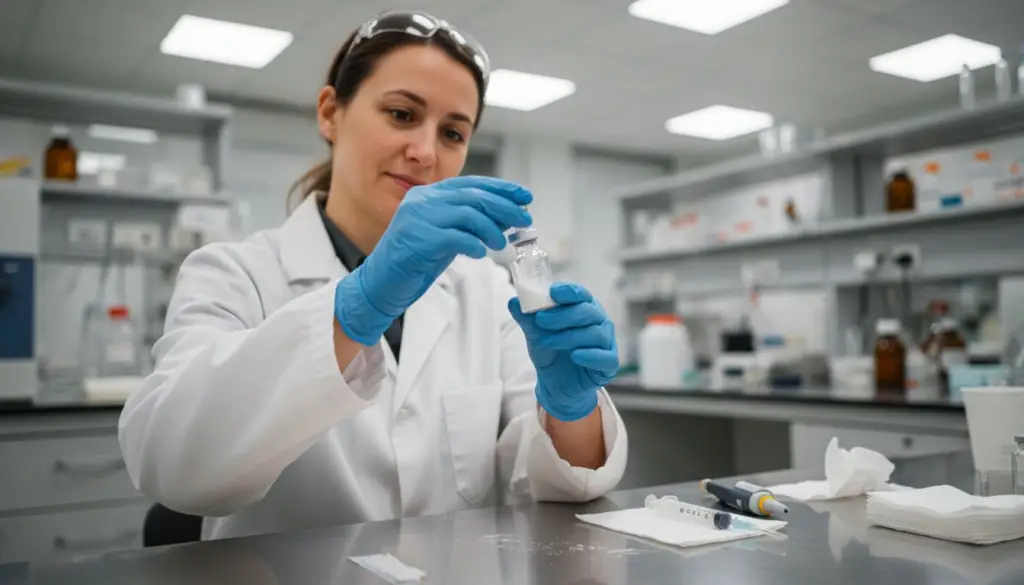
Peptide reconstitution is the dissolution of lyophilized peptide powder in sterile solvent under controlled conditions. This process reactivates the peptide molecules, preparing them for biological use while maintaining their structural integrity. Research confirms that peptide reconstitution is the dissolution of lyophilized peptides under sterile conditions to preserve bioactivity.
The solvent you choose matters because peptides are fragile molecular chains. Using contaminated or inappropriate solvents introduces bacteria, denatures the peptide structure, or reduces therapeutic effectiveness. Sterile technique protects against microbial contamination that could cause infections or degrade the peptide.
Proper reconstitution directly influences peptide stability, bioactivity, and safety. When done correctly, peptides maintain their three-dimensional structure necessary for binding to cellular receptors. When done poorly, you risk losing the very benefits you sought.
Improper reconstitution creates several problems:
- Contamination from non-sterile equipment or solvents introduces pathogens
- Loss of bioactivity when peptide bonds break or structures collapse
- Reduced therapeutic effect from incomplete dissolution or peptide aggregation
- Wasted investment when degraded peptides fail to produce results
Mastering peptide reconstitution basics separates effective therapy from expensive mistakes.
Understanding these fundamentals prepares you to make informed decisions about solvent selection and handling techniques. The chemistry behind peptide behavior determines which approach works best for your specific peptide.
Chemical and Physical Foundations of Peptide Reconstitution
Peptide solubility depends on amino acid composition and pH environment. Each peptide has an isoelectric point where it carries no net charge and becomes least soluble. Most peptides dissolve optimally between pH 3-7, but individual characteristics vary widely.
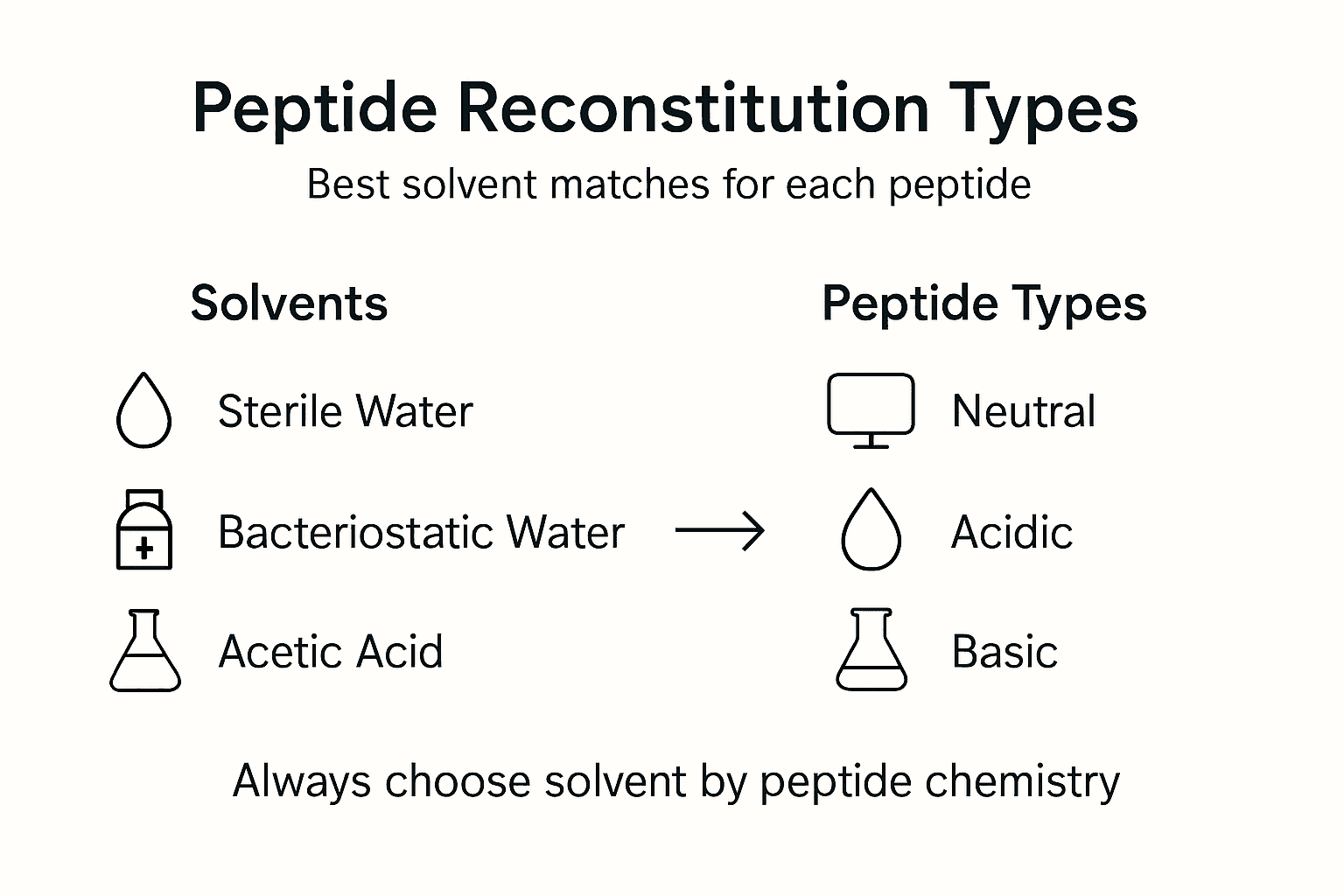
Acidic peptides containing glutamic acid or aspartic acid residues dissolve better in slightly acidic solvents. Basic peptides rich in lysine or arginine prefer neutral or slightly alkaline environments. Studies show that peptides are sensitive to pH; acidic peptides dissolve better in acidic solvents while others prefer neutral sterile water.
Three primary solvents serve different reconstitution needs:
Bacteriostatic Water contains 0.9% benzyl alcohol as a preservative. This solvent allows multiple withdrawals over several weeks because the preservative inhibits bacterial growth. Use bacteriostatic water for multi-dose vials when you plan repeated injections.
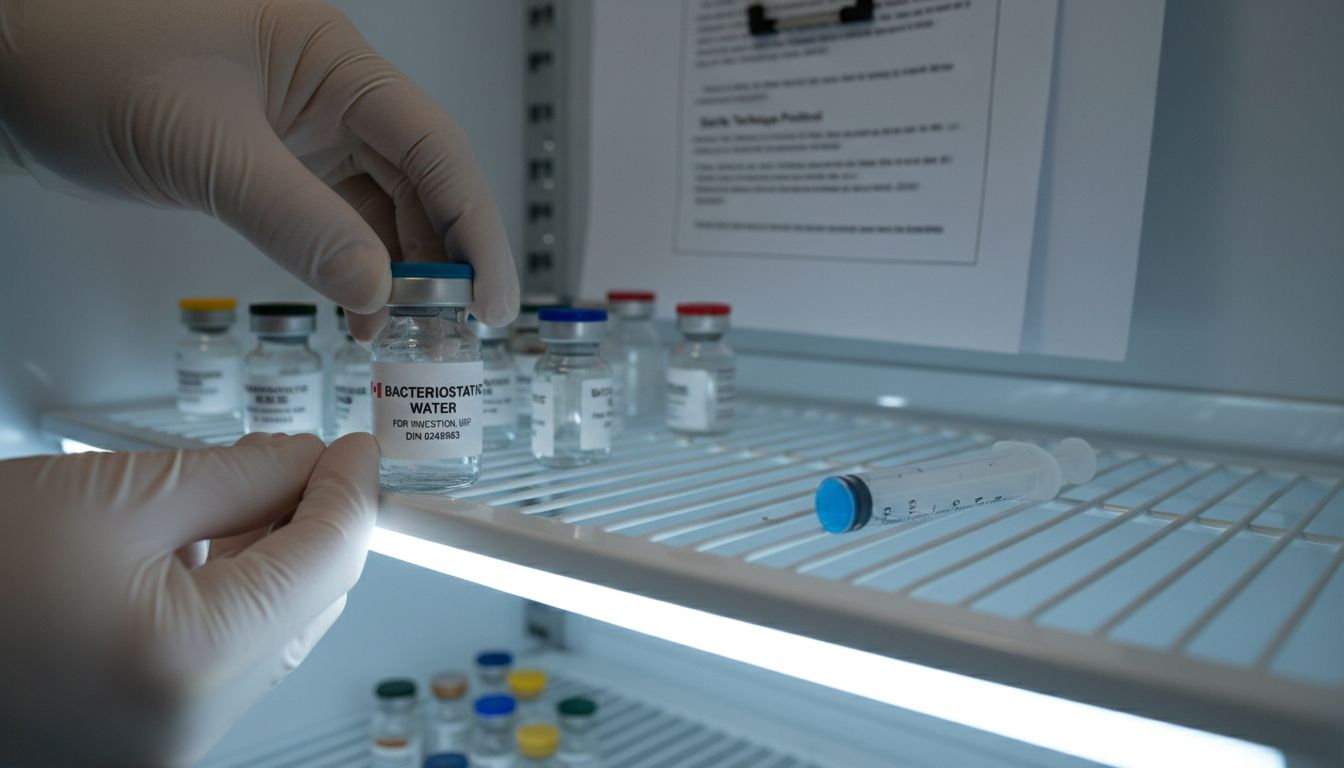
Sterile Water for Injection contains no preservatives and suits single-use applications. Most neutral peptides dissolve readily in sterile water. However, you must use the entire vial within 24 hours to prevent bacterial contamination.
0.1% Acetic Acid provides an acidic environment for peptides that resist dissolution in neutral water. Many hydrophobic or acidic peptides require this solvent to achieve complete dissolution and maintain stability.
| Solvent Type | Advantages | Disadvantages | Best Used For |
|---|---|---|---|
| Bacteriostatic Water | Multi-dose capability, preservative prevents contamination | Benzyl alcohol may cause reactions in some users | Multi-dose vials, repeated use over weeks |
| Sterile Water | No preservatives, universally compatible | Must use within 24 hours, no contamination protection | Single-use applications, neutral peptides |
| 0.1% Acetic Acid | Dissolves difficult peptides, maintains stability | Slightly acidic may sting on injection | Hydrophobic or acidic peptides resisting other solvents |
Understanding peptide solubility and intake optimization helps you match solvent to peptide chemistry. When selecting your solvent, consider both the peptide’s chemical properties and your intended usage pattern.
Step-by-Step Peptide Reconstitution Procedures
Proper reconstitution follows a systematic approach that preserves peptide structure throughout the process. Each step protects against contamination and mechanical damage that would reduce effectiveness.
- Select appropriate solvent based on peptide chemistry and multi-dose versus single-use needs
- Prepare sterile workspace by cleaning surfaces with alcohol and laying out sterile equipment
- Remove caps from peptide vial and solvent, wiping rubber stoppers with alcohol swabs
- Draw solvent into sterile syringe using a fresh needle, measuring the precise volume needed
- Inject solvent slowly down the vial wall, never directly onto the peptide powder
- Allow natural dissolution by letting the vial sit for 1-2 minutes without agitation
- Mix gently by swirling the vial in slow circular motions or inverting it several times
- Inspect solution to ensure complete dissolution with no visible particles or cloudiness
- Store immediately in refrigerator at 2-8°C until ready for use
The injection technique matters enormously. Directing solvent against the vial wall allows it to slowly flow down and contact the peptide powder gently. This method prevents the violent impact that occurs when solvent hits powder directly at high velocity.
Never shake, vortex, or vigorously agitate the vial. Research demonstrates that mechanical agitation like vortexing causes up to 30-40% loss in active peptide concentration. The mechanical stress breaks peptide bonds and causes aggregation that renders molecules biologically inactive.
Aseptic technique protects your reconstituted peptide from contamination. Use a fresh sterile needle for each withdrawal. Never reuse needles or touch the needle tip to any non-sterile surface. Store your peptide vial in a clean area away from potential contaminants.
Pro Tip: Use slow inversion mixing rather than swirling if your peptide powder clings to the vial wall. Gently turn the vial upside down and back upright 10-15 times, allowing gravity to do the mixing work without creating harmful shear forces.
Following this peptide reconstitution step-by-step process ensures you maintain peptide integrity from powder to injection. Consistency in your technique produces consistent results in your recovery and wellness outcomes.
Common Misconceptions and Mistakes in Peptide Reconstitution
Several myths about peptide reconstitution lead users to destroy their peptides before ever injecting them. Understanding these misconceptions helps you avoid costly mistakes.
Myth: All peptides dissolve easily in plain water. Reality shows that peptide solubility varies dramatically based on amino acid sequence. Some peptides clump or precipitate in neutral water, requiring acidic solvents for complete dissolution. Using the wrong solvent leaves you with partially dissolved peptides that deliver inconsistent doses.
Myth: Alcohol-based solvents work for reconstitution. Alcohol denatures peptides by disrupting hydrogen bonds that maintain their three-dimensional structure. Even small amounts of ethanol or isopropanol can irreversibly damage peptide molecules. Never use alcohols for reconstitution, only for sterilizing vial stoppers.
Myth: Vigorous shaking speeds up dissolution. Shaking creates the very mechanical stress that fragments peptide chains. The temporary convenience of faster mixing costs you 30-40% of your peptide’s effectiveness. Patience during gentle mixing preserves the molecular structure you paid for.
Myth: Room temperature storage is fine for short periods. Peptides begin degrading at room temperature within hours. Even brief exposure to warmer temperatures accelerates breakdown processes that reduce potency. Immediate refrigeration after reconstitution protects your investment.
The correct approach requires matching solvent to peptide chemistry, using gentle mixing techniques, and maintaining cold chain storage. These evidence-based practices separate effective peptide therapy from disappointing results.
Understanding peptide chemistry eliminates guesswork and prevents the expensive mistakes that plague uninformed users.
When you follow scientifically validated protocols rather than myths, your peptides deliver the recovery and anti-aging benefits they promise.
Storage and Handling of Reconstituted Peptides
Proper storage after reconstitution determines how long your peptides remain potent and safe to use. Temperature control and handling practices directly impact peptide stability.
Refrigeration between 2-8°C dramatically extends peptide shelf life. Most reconstituted peptides remain stable for 2-4 weeks when refrigerated continuously. At room temperature, degradation accelerates and peptides lose potency within days.
Specific storage guidelines include:
- Store vials upright in the refrigerator away from the freezer compartment
- Keep peptides in their original vials rather than transferring to other containers
- Protect from light exposure by storing in the original box or wrapping in foil
- Label each vial with reconstitution date to track age and ensure timely use
- Never freeze reconstituted peptides unless specifically directed by the manufacturer
Freeze-thaw cycles cause severe damage to peptide structure. Each freezing episode forms ice crystals that physically disrupt peptide molecules. Thawing concentrates peptides in liquid pockets, causing aggregation. Even one freeze-thaw cycle can reduce activity by 20-50%.
Bacteriostatic water extends usable life compared to sterile water. The preservative in bacteriostatic water prevents bacterial growth during repeated withdrawals over weeks. Sterile water lacks this protection, requiring single-use within 24 hours.
Pro Tip: Aliquot large volumes of reconstituted peptides into smaller sterile vials for individual doses. This approach minimizes contamination risk by reducing the number of times you puncture each vial. It also prevents repeated temperature fluctuations from removing and returning the main vial to refrigeration.
Implementing peptide storage best practices and following proper peptide handling for recovery workflows protects your investment. Consistent cold storage and careful handling maintain the potency that delivers results.
How Proper Reconstitution Enhances Therapeutic and Anti-Aging Benefits
Correct reconstitution technique translates directly into measurable improvements in peptide effectiveness. The difference between proper and improper methods determines whether you achieve your recovery and anti-aging goals.
Clinical observations show that proper reconstitution improves therapeutic efficacy by 20-30% compared to poor technique. This improvement stems from maintaining peptide bioavailability and structural integrity throughout the preparation process. When peptides retain their native conformation, they bind more effectively to cellular receptors.
Proper reconstitution enhances outcomes through several mechanisms:
- Preserved peptide structure maintains receptor binding affinity
- Complete dissolution ensures consistent dosing across injections
- Sterile preparation prevents infections that would interrupt treatment
- Appropriate solvent choice optimizes peptide stability in solution
- Gentle mixing preserves maximum peptide concentration
For recovery applications, properly reconstituted peptides accelerate tissue repair and reduce inflammation more effectively. Athletes and fitness enthusiasts notice faster post-workout recovery and reduced muscle soreness. The difference becomes obvious when comparing results from correctly versus incorrectly prepared peptides.
Anti-aging benefits amplify when peptides maintain their bioactivity. Skin improvement, cognitive enhancement, and metabolic optimization depend on peptides reaching target tissues in their active form. Degraded or aggregated peptides fail to produce visible improvements regardless of dose.
Consistency in reconstitution technique produces consistency in results. When you follow the same evidence-based protocol each time, you eliminate preparation variables that cause outcome fluctuations. This reliability helps you accurately assess peptide effectiveness and adjust protocols based on real responses.
Exploring therapeutic benefits of peptides and understanding anti-aging peptide advantages reveals how proper preparation unlocks these molecules’ full potential. Your reconstitution technique determines whether you experience transformative results or disappointing outcomes.
Explore Northern Peptides for Quality and Support
Applying proper reconstitution techniques requires access to quality peptides and accurate dosing information. Northern Peptides provides both the products and educational resources you need for successful peptide therapy.
Our platform offers comprehensive detailed peptide information covering storage, reconstitution, and application protocols. The peptide concentration calculator eliminates dosing confusion by providing precise measurements based on your specific peptide and vial size.

Whether you’re starting your peptide journey or optimizing existing protocols, the Northern Peptides homepage connects you with expert guidance. We combine quality products with the education that transforms knowledge into results.
FAQ
What Is Peptide Reconstitution?
Peptide reconstitution is dissolving freeze-dried peptide powder in sterile solvent under controlled conditions. This process reactivates the peptide molecules while preserving their bioactive structure for therapeutic use.
Which Solvent Should I Use for Reconstituting Peptides?
Use bacteriostatic water for multi-dose vials you’ll access repeatedly over weeks. Sterile water works for single-use applications with neutral peptides. Choose 0.1% acetic acid for peptides that resist dissolution in neutral solvents.
How Can I Avoid Damaging Peptides During Reconstitution?
Avoid shaking or vortexing your peptide solution, as mechanical agitation causes 30-40% activity loss. Mix by gentle swirling or slow inversion instead. Always use sterile equipment and inject solvent slowly down the vial wall rather than directly onto powder.
How Should I Store Reconstituted Peptides?
Store reconstituted peptides refrigerated between 2-8°C immediately after preparation. Use within the recommended timeframe, typically 2-4 weeks for bacteriostatic water or 24 hours for sterile water. Never freeze peptides unless specifically directed, as freeze-thaw cycles severely damage peptide structure.