You’ve probably heard whispers, seen the glossy ads, or perhaps even dabbling in a few peptide-infused products. But in 2026, peptides aren’t just a trend; they are the undisputed champions of anti-aging skincare. You’re about to discover why these tiny powerhouses are revolutionizing your approach to youthful skin and what you need to know to harness their incredible potential. Forget everything you thought you knew about traditional anti-wrinkle solutions; the future is here, and it’s built on peptides.
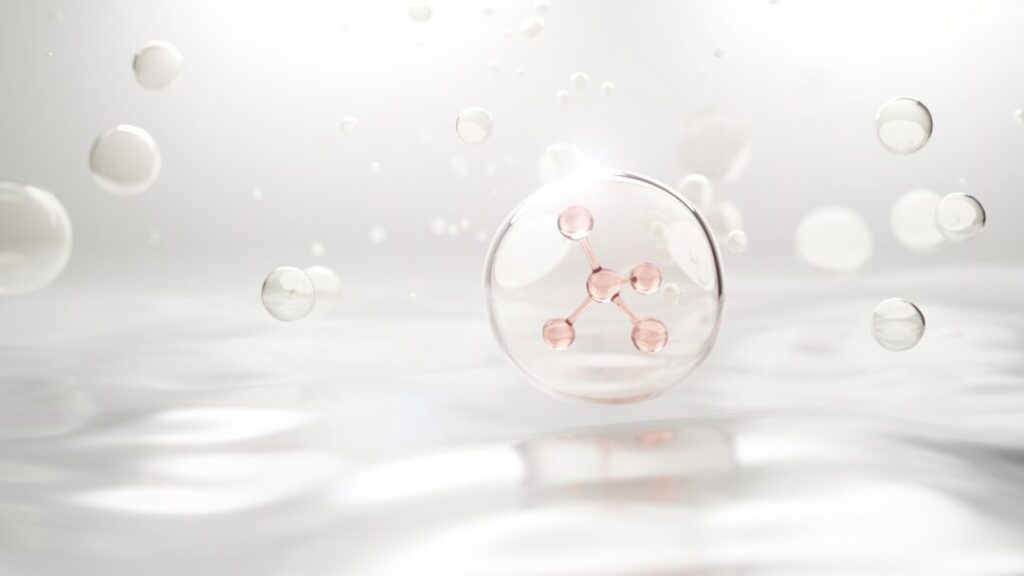
Let’s cut right to the chase: what exactly are these much-hyped molecules? Simply put, peptides are short chains of amino acids, the building blocks of proteins. Think of them as messengers, instructing your skin cells to perform specific functions. In the vast symphony of your skin, peptides are the conductors, ensuring everything runs smoothly, especially when it comes to collagen and elastin production – the very fibers that keep your skin firm, plump, and wrinkle-free.
The Science Behind the Smooth: How Peptides Work Their Magic
You might be wondering, how can something so small have such a profound impact? It’s all about targeted communication. As you age, your natural collagen and elastin production slows down, leading to the formation of fine lines and wrinkles. Peptides step in to mimic these natural signals, tricking your skin into acting younger.
- Signaling Peptides: These are like little cheerleaders, encouraging your skin to produce more collagen, elastin, and other vital proteins. Think of them as a gentle nudge to revive your skin’s youthful vigor. They tell your fibroblasts – the cells responsible for creating these crucial proteins – to get back to work.
- Carrier Peptides: Imagine these as tiny delivery drones. They transport trace elements, like copper and manganese, into your skin, which are essential for wound healing and enzymatic processes crucial for maintaining skin health. Copper peptides, for instance, are famed for their ability to promote wound healing and reduce inflammation.
- Enzyme Inhibitor Peptides: Some enzymes in your skin, like matrix metalloproteinases (MMPs), are responsible for breaking down collagen. These clever peptides put a stop to that, preserving your precious collagen and elastin networks. By inhibiting these enzymes, they essentially act as a protective shield against degradation.
- Neurotransmitter Peptides: These are truly fascinating. They work similarly to how Botox does, by relaxing facial muscles. Instead of paralyzing, they subtly interfere with the release of neurotransmitters that cause muscle contraction, leading to a visible reduction in expression lines. They offer a gentler, topical alternative to injectables, helping to smooth out those pesky lines around your eyes and forehead without compromising your natural expressions.
Why Your Skin Loves Peptides More Than Ever
In 2026, the refinement of peptide technology means better penetration, higher stability, and more targeted action. You’re not just getting a generic anti-aging ingredient; you’re getting precision skincare. Your skin recognizes peptides as natural components, leading to excellent tolerability and minimal irritation, a huge plus for those with sensitive skin.
In the quest for youthful skin, the article “Say Goodbye to Wrinkles: Peptides in Skincare” highlights the transformative power of peptides in combating signs of aging. For those interested in exploring further, a related article titled “The Advantages of Novel Peptides for Anti-Aging” delves deeper into the innovative peptide technologies that are reshaping the skincare landscape. You can read more about these advancements and their benefits by visiting this link: The Advantages of Novel Peptides for Anti-Aging.
The 2026 Peptide Landscape: What’s New and Noteworthy
The world of peptides is constantly evolving, and 2026 brings an exciting array of innovations. You won’t just see a single “peptide” listed on an ingredient label; you’ll encounter sophisticated blends and novel delivery systems designed for maximum impact.
Multi-Peptide Cocktails: Synergistic Power Unleashed
Gone are the days of relying on a single hero ingredient. Today, you’ll find products featuring expertly formulated “peptide cocktails.” These blends combine various types of peptides, each with a specific role, to create a synergistic effect that addresses multiple skin concerns simultaneously.
- The Matrixyl® Family (Signaling Peptides): Still a powerhouse, you’ll see advanced iterations like Matrixyl® 3000 and Matrixyl® Synthe’6. These are renowned for their ability to stimulate collagen I, III, and IV, as well as hyaluronic acid and fibronectin, leading to significant wrinkle reduction and improved skin elasticity. You can expect to see them in serums and creams targeting deep lines.
- Argireline® (Neurotransmitter Peptide): Often dubbed “Botox in a jar,” Argireline® (Acetyl Hexapeptide-8) is still a staple for reducing expression lines. In 2026, advanced formulations of Argireline® deliver it more effectively, enhancing its muscle-relaxing properties and offering a smoother, less expressive facial appearance without the need for needles.
- Copper Peptides (Carrier Peptides): GHK-Cu, in particular, continues to be celebrated for its wound-healing, anti-inflammatory, and collagen-boosting properties. You’ll find it in specialized treatments aimed at repairing damaged skin, reducing redness, and accelerating regeneration. Its antioxidant benefits also contribute to overall skin health.
- Palmitoyl Tetrapeptide-7 & Palmitoyl Oligopeptide (Signaling Peptides): These frequently co-occur in formulations, working together to reduce inflammation and stimulate collagen production. They are particularly effective in addressing skin firmness and elasticity, helping to counteract sagging.
Biomimetic Peptides: Nature’s Blueprint, Skincare’s Future
You’ll increasingly encounter biomimetic peptides – those designed to perfectly mimic natural peptides in your skin. This hyper-specific targeting means greater efficacy and less chance of unwanted side effects. They are precisely engineered to fit into your skin’s receptors like a key in a lock.
- Epidermal Growth Factor (EGF) Peptides: While not strictly traditional peptides, synthetic equivalents of EGF are becoming more prevalent. They encourage cell regeneration and proliferation, accelerating skin repair and renewal, leading to a fresher, more youthful complexion. You’ll find them in advanced anti-aging serums.
- Fibroblast Growth Factor (FGF) Peptides: These focus on stimulating fibroblasts, the cells that produce collagen and elastin. By enhancing cellular communication, they strengthen the skin’s structural integrity, improving firmness and reducing fine lines over time.
Innovative Delivery Systems: Getting Peptides Where They Need to Be
Even the most potent peptide is useless if it can’t reach its target. In 2026, advancements in cosmetic science mean you’re benefiting from cutting-edge delivery methods that ensure peptides penetrate deeply and remain stable.
- Liposomal Encapsulation: Peptides are fragile, and enzymes on your skin’s surface can degrade them. Liposomes, tiny lipid spheres, act as protective vehicles, shielding peptides and allowing them to bypass the skin’s outer barrier effectively, releasing their power deep within.
- Microneedling & Peptide Integration: While not a “delivery system” in a product, you’ll find more and more at-home microneedling devices paired with peptide-rich serums. The tiny punctures created by microneedling form micro-channels, significantly enhancing the absorption of topical peptides, amplifying their anti-aging benefits.
- Transdermal Patches: Though still niche, expect to see more innovative transdermal patches infused with peptides, offering a continuous, targeted release of active ingredients for specific areas of concern, such as under-eye wrinkles.
Incorporating Peptides into Your 2026 Skincare Routine: Your Action Plan

Now that you understand the immense power of peptides, how do you integrate them into your daily regimen for optimal results? You’re looking for transformation, not just maintenance. Here’s your guide to building a peptide-powered routine.
The Layering Strategy: Maximizing Efficacy
Think of your skincare as a multi-course meal. Peptides are best applied early in your routine, after cleansing and toning, to ensure maximum absorption.
- Cleanse: Start with a gentle cleanser to remove impurities and prepare your skin.
- Tone: A hydrating toner can help balance your skin’s pH and prime it for subsequent treatments.
- Peptide Serum: This is your hero product. Apply 3-5 drops of your peptide-rich serum evenly across your face and neck. Look for serums with high concentrations and stable formulations.
- Eye Cream: Many advanced eye creams are peptide-packed, specifically formulated to target delicate under-eye wrinkles and crow’s feet.
- Moisturizer: Follow with a rich moisturizer to seal in the peptides and provide additional hydration.
- SPF (Daytime): Crucially, always finish your morning routine with broad-spectrum SPF 30+ to protect your skin from UV damage, which negates the benefits of any anti-aging treatment.
Timing is Everything: Morning or Night?
The good news is, peptides are incredibly versatile. You can use them both morning and night, depending on your skin concerns and product formulations.
- Morning Use: Ideal for peptides that focus on protection against environmental stressors and immediate skin-smoothing effects. Think products with antioxidant copper peptides.
- Nighttime Use: Perfect for peptides that stimulate collagen production and cellular repair. Your skin is in “repair mode” while you sleep, making it prime time for regenerative peptides.
Synergy with Other Actives: Friendship, Not Fights
You might be using other powerful ingredients like retinoids or Vitamin C. Here’s how peptides play nicely with others.
- Peptides + Vitamin C: A brilliant combination! Vitamin C is a potent antioxidant and collagen booster. Layering a peptide serum under your Vitamin C serum (or using a product that combines them) maximizes collagen synthesis and antioxidant protection, leading to brighter, firmer skin.
- Peptides + Retinoids: This is where peptides truly shine. Retinoids (Vitamin A derivatives) are gold-standard for anti-aging but can sometimes cause irritation. Peptides, especially signaling and soothing peptides, can help mitigate this irritation while enhancing the overall anti-aging effects. Apply your peptide serum first, allow it to absorb, then follow with your retinoid. This can build skin resilience.
- Peptides + Hyaluronic Acid: A dream team for hydration. Hyaluronic acid draws moisture into the skin, plumping it up, while peptides work on structural integrity. Apply your peptide serum, then a hyaluronic acid serum, followed by moisturizer for ultimate hydration and anti-aging benefits.
The Future is Firm: Long-Term Benefits You Can Expect

You’re not just looking for a quick fix; you’re investing in the long-term health and appearance of your skin. Peptides offer sustained benefits that grow more impressive with consistent use.
Visible Reduction in Fine Lines and Wrinkles
This is the most obvious and sought-after benefit. With regular application, you will notice a gradual softening of expression lines and a reduction in the depth of static wrinkles. Your skin will appear smoother and more youthful.
Improved Skin Firmness and Elasticity
As collagen and elastin production are boosted, your skin will regain a more resilient, supple texture. You’ll experience less sagging and a more toned appearance, particularly around the jawline and neck.
Enhanced Skin Barrier Function
Some peptides contribute to strengthening your skin’s natural barrier, making it more resistant to environmental aggressors, pollution, and moisture loss. This means less redness, irritation, and a healthier overall complexion.
Accelerated Skin Repair and Regeneration
Whether it’s from sun damage, environmental stress, or minor blemishes, peptides help your skin repair itself more efficiently, leading to a more even tone and texture, and faster healing.
Brighter, More Even Skin Tone
By promoting cellular turnover and reducing inflammation, peptides can contribute to a more radiant complexion, diminishing the appearance of hyperpigmentation and dullness over time.
In the quest for youthful skin, the role of peptides has gained significant attention, particularly in the article “Say Goodbye to Wrinkles: Peptides in Skincare” from 2026. This insightful piece highlights how peptides can effectively reduce the appearance of fine lines and promote collagen production. For those interested in understanding the science behind peptide absorption and its impact on skincare efficacy, a related article delves deeper into the topic of bioavailability in peptides. You can explore this fascinating subject further by visiting this link, which provides valuable insights into how our bodies absorb these powerful compounds.
Navigating the Peptide Market in 2026: What to Look For
| Peptide Type | Benefits | Usage |
|---|---|---|
| Signal peptides | Stimulate collagen production | Day and night creams |
| Carrier peptides | Deliver active ingredients | Serums and treatments |
| Neurotransmitter-inhibiting peptides | Reduce muscle contractions | Anti-aging creams |
With so many products claiming peptide power, how do you choose wisely? You’re a savvy consumer, and you deserve products that deliver on their promises.
Ingredient List Scrutiny: Be Your Own Expert
Always check the ingredient list. Look for specific peptide names (e.g., Palmitoyl Tripeptide-5, Acetyl Hexapeptide-8, GHK-Cu, Matrixyl® 3000). The closer they are to the top of the list, the higher their concentration and effectiveness.
Reputable Brands and Scientific Backing
In 2026, transparency is key. Choose brands that are open about their formulations and can provide scientific data, clinical trials, or expert endorsements for their peptide products. Avoid brands with vague claims and no supporting evidence.
Packaging Matters: Stability is Key
Peptides are delicate. Opt for products in opaque, airless pump bottles or tubes. Jars, while aesthetically pleasing, expose active ingredients to air and light, causing them to degrade faster and lose their potency.
Patience and Consistency: The Unsung Heroes
You’re not going to see results overnight. Peptides work by signaling cellular changes, which takes time. Commit to consistent use for at least 8-12 weeks before expecting significant improvements. Rome wasn’t built in a day, and neither is truly youthful skin.
In 2026, peptides are no longer just an exciting ingredient; they are a cornerstone of sophisticated anti-aging skincare. By understanding their various functions, exploring the latest innovations, and incorporating them strategically into your routine, you are taking control of your skin’s destiny. So go ahead, embrace the peptide revolution, and say a confident goodbye to wrinkles, knowing you’re armed with the smartest science for your skin. Your future self will thank you.
FAQs
What are peptides in skincare?
Peptides are short chains of amino acids that are the building blocks of proteins. In skincare, peptides are used to help improve the appearance of skin by promoting collagen production, reducing the appearance of wrinkles, and improving skin texture.
How do peptides work in skincare?
Peptides work in skincare by signaling to the skin that it needs to produce more collagen, which is essential for maintaining the skin’s firmness and elasticity. This can help reduce the appearance of fine lines and wrinkles, and improve overall skin texture.
Are peptides safe to use in skincare products?
Yes, peptides are generally considered safe to use in skincare products. They are naturally occurring in the body and are well-tolerated by most skin types. However, it’s always best to consult with a dermatologist before incorporating new skincare products into your routine, especially if you have sensitive skin or any existing skin conditions.
What are the benefits of using peptides in skincare?
Using peptides in skincare can help improve the appearance of fine lines and wrinkles, promote firmer and more elastic skin, and enhance overall skin texture. Peptides can also help support the skin’s natural repair processes and improve hydration.
How can I incorporate peptides into my skincare routine?
Peptides can be found in a variety of skincare products, including serums, moisturizers, and eye creams. To incorporate peptides into your skincare routine, look for products that specifically mention peptides in their ingredient list and follow the instructions for use provided by the manufacturer.