You’re scrolling through social media, bombarded by images of impossibly luminous skin. It’s that ethereal, healthy-looking radiance that seems to emanate from within. You’ve heard of it, you’ve envied it, and you’re probably wondering how you can achieve it. Well, prepare to unlock the secrets to that coveted “glow” because we’re diving deep into the aesthetic benefits of peptides. These tiny powerhouses are no longer just a buzzword; they are the intelligent architects of your most beautiful skin.
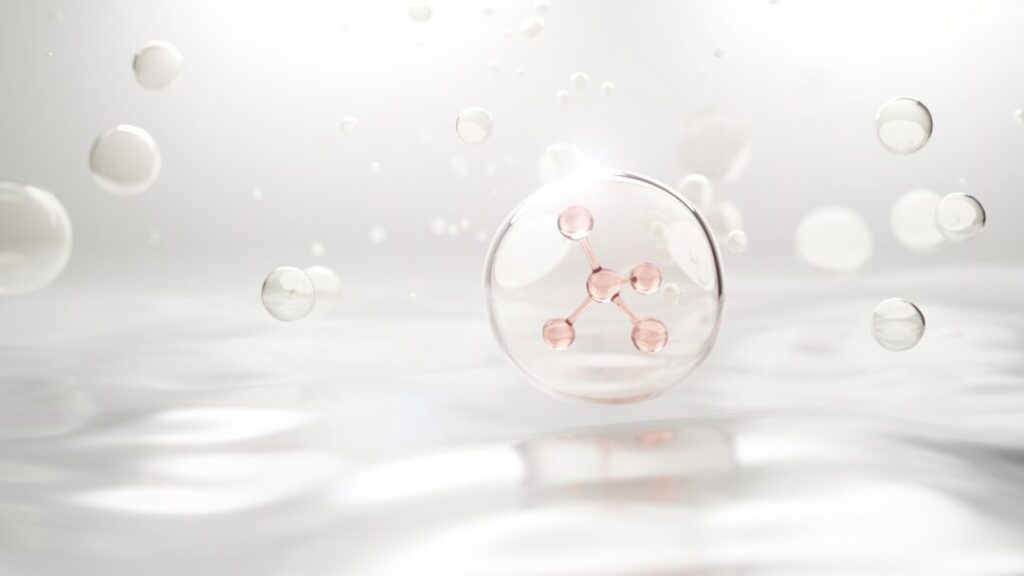
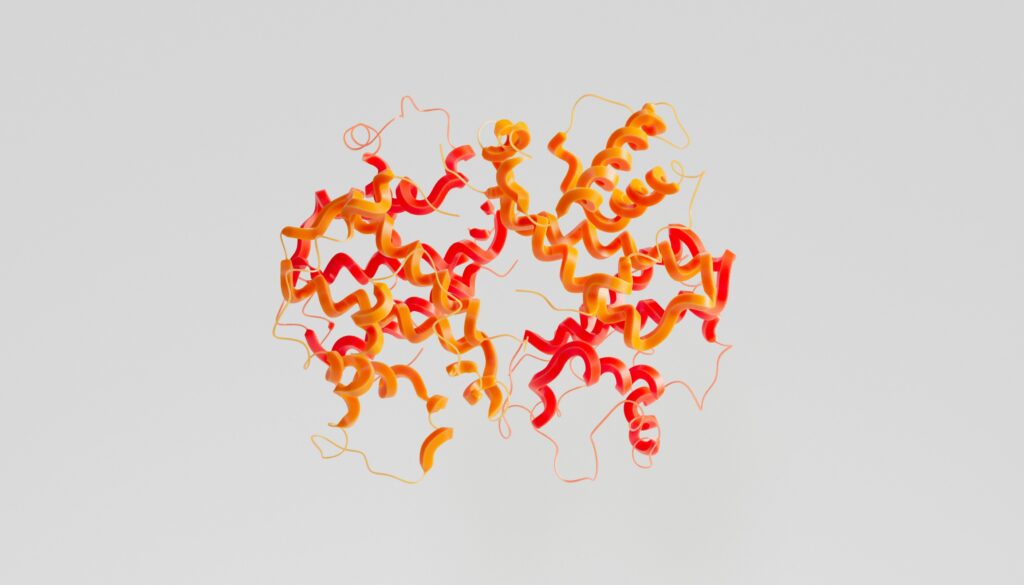
You might be tempted to think of peptides as just another trendy ingredient, but the truth is, their significance in dermatology and aesthetics runs much deeper. At their core, peptides are short chains of amino acids, the building blocks of proteins. Think of proteins like collagen and elastin – the essential scaffolding that gives your skin its structure, firmness, and elasticity. When these proteins break down due to aging, environmental stressors, or other factors, your skin begins to lose its youthful vitality, leading to wrinkles, sagging, and a dull complexion. This is where peptides step in, acting as signaling molecules that tell your skin cells what to do.
Amino Acids: The Foundation of Life and Skin
To truly appreciate the power of peptides, you first need to understand their origins. Amino acids are the fundamental units that assemble into proteins. There are 20 common amino acids, and their specific sequences dictate the structure and function of the resulting proteins. In the context of your skin, proteins like collagen (providing structure and strength) and elastin (providing flexibility and bounce) are crucial for maintaining a youthful appearance. When you’re young, your body naturally produces these proteins in abundance. However, as you age, this production slows down, and the existing proteins begin to degrade. This is a natural process, but it’s one that peptides can help to counteract.
Short Chains, Big Impact: The Power of Peptide Size
The distinguishing feature of a peptide is its size. Unlike long, complex protein chains, peptides are relatively short, consisting of anywhere from 2 to 50 amino acids. This smaller size is incredibly advantageous for topical application. Think of it like this: a large, bulky key won’t fit into a small lock. Similarly, large protein molecules struggle to penetrate the skin’s outermost barrier, the stratum corneum. Peptides, however, are small enough to effectively pass through this barrier and reach the deeper layers of your skin, where they can exert their beneficial effects. This targeted delivery is a key reason why peptides are so effective in skincare formulations.
Signaling Superstars: Peptides as Messengers
The primary role of peptides in the skin is to act as signaling molecules. They’re like tiny messengers that can communicate with your skin cells, instructing them to perform specific tasks. This is a revolutionary concept in skincare because instead of just coating the skin with superficial hydration, peptides actively engage with your cells to promote regeneration and repair. They can, for instance, signal fibroblasts (the cells responsible for producing collagen and elastin) to ramp up their production, effectively telling your skin to behave like it’s younger again.
In exploring the aesthetic benefits of peptides, it’s essential to consider the ethical implications surrounding their research and application. A related article titled “Ethical Considerations in Peptide Research” delves into the moral responsibilities of researchers and practitioners in the field. This piece provides valuable insights into the ethical frameworks that guide peptide usage, ensuring that advancements in aesthetic treatments are conducted responsibly. For more information, you can read the article here: Ethical Considerations in Peptide Research.
The “Glow” Unleashed: Specific Aesthetic Benefits of Peptides
Now that you understand the fundamental science behind peptides, let’s delve into the tangible, visible results they can deliver, leading you directly to that coveted “glow.” These aren’t just subtle improvements; they are transformative changes that can significantly enhance your skin’s appearance and texture.
Collagen Synthesis and Restoration: The Cornerstone of Firmness
One of the most celebrated benefits of peptides is their ability to stimulate collagen production. Collagen is the most abundant protein in your skin, and it’s responsible for its structural integrity, firmness, and smoothness. As you age, collagen production declines, leading to the formation of fine lines and wrinkles. Peptides, particularly those known as signaling peptides or collagen-boosting peptides, mimic the natural collagen fragments that are released when collagen breaks down. This tricks your skin cells into believing that collagen has been lost, prompting them to increase their synthesis of new collagen. The result? Plumper, firmer skin with a noticeable reduction in the appearance of wrinkles. You’ll start to see that subtle lift and resilience that defines youthful skin.
Enhanced Elasticity and Suppleness: Bouncing Back with Age
Elastin is another vital protein responsible for your skin’s ability to stretch and snap back into place. Think of it like a rubber band – it can be pulled, but it should return to its original shape. When elastin fibers degrade, your skin loses its suppleness and becomes more prone to sagging. Certain peptides, specifically those that interact with elastin production pathways, can help to preserve and even rebuild elastin fibers. This means your skin will have a greater capacity to bounce back from facial expressions, resist gravity’s pull, and maintain a smoother, more youthful contour. You’ll notice your skin feels more resilient and less prone to creasing.
Targeted Wrinkle Reduction: Smoothing the Lines of Time
Peptides are particularly adept at targeting the physical signs of aging, most notably wrinkles. Beyond their collagen-boosting capabilities, some peptides work by inhibiting muscle contractions that contribute to dynamic wrinkles (those formed by repeated facial expressions, like frown lines and crow’s feet). These are often referred to as “Botox-like” peptides because they can temporarily relax the muscles, smoothing out the lines without the need for invasive injections. Other peptides work on a cellular level to fill in existing wrinkles from within, plumping the skin and reducing their depth. Imagine those stubborn lines softening, making your complexion appear more serene and youthful.
Improved Skin Tone and Texture: A Smoother, Brighter Canvas
The “glow” isn’t just about firmness; it’s also about an even, luminous complexion. Peptides can contribute significantly to this by promoting cellular turnover and reducing inflammation. Accelerated cell turnover means that old, dull skin cells are shed more quickly, revealing fresh, vibrant skin underneath. This process helps to fade dark spots, hyperpigmentation, and acne scars, leading to a more uniform and radiant skin tone. Furthermore, peptides with anti-inflammatory properties can calm redness and irritation, contributing to a smoother, more even texture that reflects light beautifully, giving you that luminous appeal.
Hydration and Barrier Support: The Foundation of Healthy Skin
While not always their primary function, many peptides also play a role in improving your skin’s hydration and strengthening its natural barrier function. Some peptides can help your skin produce more hyaluronic acid, a powerful humectant that draws moisture into the skin. Others can help to reinforce the skin’s protective barrier, preventing moisture loss and shielding it from environmental aggressors. This enhanced hydration and barrier function contribute to a plumper, more supple appearance, and a skin that is less susceptible to damage – all essential components of a healthy, radiant glow.
The Peptides You Need to Know for That “Glow”

Not all peptides are created equal, and understanding the different types can help you make informed choices for your skincare routine. Different peptides have distinct functions, and by combining them, you can achieve a comprehensive approach to skin rejuvenation.
Signaling Peptides: The Master Communicators
As the name suggests, signaling peptides are designed to send clear messages to your skin cells. They essentially mimic the body’s natural signaling molecules that regulate collagen and elastin production. These are often the workhorses behind the anti-aging benefits of peptides, actively prompting your skin to repair and rebuild. Look for peptides like Matrixyl (a peptide complex known for its ability to stimulate collagen synthesis), Copper Peptides (which support wound healing, collagen production, and have antioxidant properties), and Palmitoyl Pentapeptide-4 (another potent collagen stimulator). These are the peptides that will actively encourage your skin to look and act younger.
Neurotransmitter Inhibitory Peptides: The “Botox-Like” Effect
These peptides are designed to target the communication between nerve cells and muscle cells. By inhibiting the release of neurotransmitters that cause muscle contractions, these peptides can temporarily relax facial muscles, leading to a smoothing of expression lines. They are a fantastic alternative for those seeking to reduce wrinkles without the commitment or invasiveness of injectables. Argireline (acetyl hexapeptide-8) is the most well-known example, and when formulated into creams and serums, it can effectively diminish the appearance of crow’s feet and frown lines. It’s like a gentle reset for those areas of your face that tend to show the most movement.
Carrier Peptides: Delivering the Goods Effectively
Sometimes, the challenge isn’t just telling your skin what to do, but also delivering the necessary tools. Carrier peptides have the unique ability to bind to essential trace elements like copper and manganese. These elements are vital co-factors for enzymes involved in wound healing, collagen production, and antioxidant defense. By attaching themselves to these minerals, carrier peptides help to deliver them to where they are needed most in the skin, enhancing their effectiveness. Copper peptides are a prime example, playing a crucial role in skin repair and rejuvenation. Think of them as the delivery trucks, ensuring the essential building blocks reach their destination promptly.
Enzyme Inhibitor Peptides: Controlling Degradation
Another crucial aspect of maintaining youthful skin is preventing the breakdown of existing proteins. Enzyme inhibitor peptides work by blocking the activity of enzymes that degrade collagen and other essential skin components. This helps to preserve the skin’s existing structure and slow down the aging process. By inhibiting these destructive enzymes, you are essentially protecting your skin’s valuable assets, ensuring they last longer and continue to contribute to your skin’s youthful appearance.
Integrating Peptides for Maximum “Glow”: Your Skincare Strategy

Simply adding a peptide product to your routine isn’t always enough. To truly unlock the full potential of these remarkable ingredients and achieve that radiant glow, you need a strategic approach.
Layering for Synergy: Combining Peptide Power
The most effective way to harness the power of peptides is often through layering. This means using different peptide types in conjunction with each other to address multiple concerns simultaneously. For example, you might use a signaling peptide in your serum to boost collagen production and then follow with a neurotransmitter inhibitory peptide in your eye cream to target crow’s feet. The key is to understand how different peptides complement each other and to build a routine that offers a comprehensive approach to skin rejuvenation. Don’t be afraid to experiment (with guidance) to find the perfect peptide cocktail for your skin.
Consistency is Key: The Long Game for Luminosity
Peptide benefits are not typically immediate. They work on a cellular level, and it takes time for your skin to respond and regenerate. Therefore, consistency is paramount. You won’t see dramatic changes overnight, but with daily application of your peptide-rich products, you will gradually notice a significant improvement in your skin’s firmness, texture, and overall radiance. Think of it as tending to a garden; consistent care yields the most beautiful blooms. Commit to your routine, and your skin will thank you in the long run.
Complementary Ingredients: Enhancing the Peptide Effect
Peptides work best when supported by other beneficial ingredients. Incorporating antioxidants like Vitamin C and Vitamin E can protect your skin from free radical damage and enhance collagen synthesis, amplifying the effects of your peptides. Hyaluronic acid is another excellent partner, providing essential hydration that plumps the skin and makes it more receptive to peptide penetration. Even gentle exfoliants, used judiciously, can help to remove dead skin cells and improve the efficacy of your peptide treatments.
Professional Guidance: Tailoring Your Peptide Journey
While many peptide products are available over-the-counter, consulting with a dermatologist or a qualified skincare professional can be incredibly beneficial. They can assess your individual skin concerns, identify the most suitable peptide types for your needs, and help you create a personalized skincare regimen. This is especially important if you have specific skin conditions or are looking for more targeted results. A professional can guide you through the sometimes-complex world of peptides, ensuring you’re using them effectively and safely.
In exploring the aesthetic benefits of peptides, one might find it interesting to delve into the ethical considerations surrounding their sourcing. A related article discusses how ethical sourcing practices can enhance the overall integrity of peptide products, ensuring that consumers receive high-quality and responsibly obtained ingredients. For more insights on this topic, you can read about the importance of ethical sourcing in the peptide industry here. This connection highlights not only the glow effect peptides can provide but also the significance of their origins in promoting a sustainable beauty industry.
Beyond the Surface: The Lasting Impact of Peptides on Your Skin’s Health
| Peptide Type | Aesthetic Benefit |
|---|---|
| Collagen Peptides | Improves skin elasticity and hydration |
| Acetyl Hexapeptide-8 | Reduces the appearance of fine lines and wrinkles |
| Copper Peptides | Enhances skin firmness and elasticity |
| Palmitoyl Tripeptide-5 | Stimulates collagen production for smoother skin |
The aesthetic benefits of peptides are undeniable, but their impact extends beyond mere superficial improvements. They contribute to the overall health and resilience of your skin, leading to longer-term positive outcomes.
Strengthening the Skin Barrier: A Shield Against the Elements
A healthy skin barrier is crucial for preventing moisture loss and protecting your skin from environmental aggressors like pollution and UV radiation. Certain peptides play a vital role in reinforcing this barrier by promoting the production of ceramides and other essential lipids. When your skin barrier is strong, it can retain moisture more effectively, leading to a plumper, more hydrated complexion. It also becomes more resilient to irritation and inflammation, contributing to a smoother, more even-toned appearance.
Promoting Wound Healing and Repair: The Skin’s Natural Renewal Process
Peptides are naturally involved in the body’s wound healing processes. When applied topically, they can accelerate the repair of damaged skin, making them invaluable for post-procedure recovery or for addressing minor imperfections. Copper peptides, in particular, are renowned for their ability to promote cell proliferation and signaling pathways that facilitate tissue regeneration. This enhanced healing capacity means your skin can recover more quickly from damage, leading to a smoother, more uniform complexion over time.
Antioxidant Protection: Fighting the Free Radical Frenzy
While peptides are not primary antioxidants, some do possess antioxidant properties or work synergistically with other antioxidants. They can help to neutralize free radicals, which are unstable molecules that can damage skin cells and accelerate the aging process. By mitigating the effects of oxidative stress, peptides contribute to a healthier, more youthful-looking complexion and can help to prevent the breakdown of collagen and elastin caused by environmental damage.
The Long-Term Investment in Your Skin: Aging Gracefully with Peptides
Ultimately, incorporating peptides into your skincare routine is an investment in the long-term health and vitality of your skin. While they offer immediate aesthetic improvements, their true power lies in their ability to promote sustained skin regeneration and repair. By consistently supporting your skin’s natural processes, you are enabling it to age more gracefully, maintaining its firmness, elasticity, and radiance for years to come. The “glow” you achieve with peptides isn’t just a fleeting trend; it’s a testament to healthy, well-supported skin.
The pursuit of radiant, youthful-looking skin has never been more informed or effective than it is today. You now understand that the sought-after “glow” isn’t just a matter of luck or genetics; it’s a tangible outcome achievable through the intelligent application of science. Peptides, with their remarkable ability to communicate with your skin cells and orchestrate a symphony of repair and rejuvenation, are the key players in this transformation. From plumping your skin by boosting collagen to smoothing away the lines of time, the aesthetic benefits of peptides are profound and far-reaching. Embrace this knowledge, incorporate the power of peptides into your skincare strategy, and prepare to witness your skin’s natural luminosity shine through. Your journey to that coveted “glow” starts now, and the results will be nothing short of radiant.
FAQs
What are peptides and how do they work?
Peptides are short chains of amino acids that act as building blocks of proteins in the skin. They work by signaling the skin to produce more collagen, which helps improve skin elasticity and firmness.
What are the aesthetic benefits of using peptides?
Peptides have been shown to improve skin texture, reduce the appearance of fine lines and wrinkles, and enhance overall skin radiance. They can also help with skin hydration and firmness.
Are peptides suitable for all skin types?
Yes, peptides are generally suitable for all skin types, including sensitive skin. However, it’s always best to consult with a dermatologist or skincare professional before incorporating peptides into your skincare routine.
How should peptides be incorporated into a skincare routine?
Peptides can be found in various skincare products such as serums, creams, and masks. They are typically applied after cleansing and toning, and before moisturizing. It’s important to follow the specific instructions provided with the product.
Are there any potential side effects of using peptides?
Peptides are generally considered safe for topical use, but some individuals may experience mild irritation or allergic reactions. It’s important to perform a patch test before using any new skincare product containing peptides and to discontinue use if any adverse reactions occur.