You’ve likely encountered discussions about peptide therapy, and two names that frequently surface are CJC-1295 and Ipamorelin. Often, they are presented as a potent combination. But what exactly makes them such effective partners? This article delves into the mechanisms of action for both CJC-1295 and Ipamorelin, and then explores how their synergistic properties create a powerful duo for potentially enhancing various physiological functions.
To grasp the synergy of CJC-1295 and Ipamorelin, you first need to understand the role of growth hormone (GH) in your body. GH is a vital hormone produced by the pituitary gland. It plays a critical role in a multitude of bodily processes, including:
Growth and Development
- Childhood Growth: You know that GH is essential for normal growth in children and adolescents, driving bone elongation and overall physical development.
- Cellular Repair and Regeneration: Even in adulthood, GH is crucial for repairing damaged tissues, building muscle mass, and maintaining overall cellular health. This contributes to your body’s ability to recover from exercise, injuries, and the general wear and tear of daily life.
Metabolic Functions
- Fat Metabolism: GH influences how your body uses fat for energy, potentially aiding in reducing body fat.
- Protein Synthesis: It promotes the building of protein, which is fundamental for muscle growth and repair.
- Bone Density: GH contributes to maintaining strong and healthy bones throughout your life.
Other Key Roles
- Immune System Support: GH also plays a role in supporting a healthy immune response.
- Cognitive Function: Emerging research suggests potential links between GH levels and cognitive abilities, though this area is still under active investigation.
As you age, your body’s natural production of GH declines. This decline can be associated with various changes in body composition, energy levels, and recovery. This is where understanding how to influence GH secretion becomes relevant.
In exploring the synergistic effects of CJC-1295 and Ipamorelin, it’s essential to consider the broader context of peptide cycles and their performance benefits. For a deeper understanding of how these compounds can enhance physical performance and recovery, you can refer to a related article that discusses various peptide cycles and their advantages. This insightful resource can be found at Peptide Cycles: Performance Benefits, providing valuable information for anyone interested in optimizing their health and fitness regimen.
CJC-1295: The GH Releasing Hormone (GHRH) Analogue You Need to Know

CJC-1295 is a synthetic peptide that acts as an analogue of Growth Hormone Releasing Hormone (GHRH). GHRH is a naturally occurring hormone produced in the hypothalamus that stimulates the pituitary gland to release GH.
The Mechanism of Action
- Mimicking Natural GHRH: CJC-1295 binds to GHRH receptors on pituitary somatotroph cells. This binding triggers a cascade of intracellular signaling events that ultimately lead to the synthesis and secretion of GH.
- Half-Life and Stability: A key feature of CJC-1295, particularly the DAC (Drug Affinity Complex) version, is its significantly extended half-life compared to endogenous GHRH. This is achieved through covalent binding to albumin in your bloodstream. This prolonged presence means that CJC-1295 can stimulate GH release over a much longer period, leading to more sustained and consistent elevations in GH. Without the DAC modification, CJC-1295 (often referred to as CJC-1295 without DAC) has a much shorter half-life, similar to GHRH itself. For comparison’s sake, we’ll focus on the DAC version due to its prevalence in discussions about extended GH release.
Benefits Associated with CJC-1295
The prolonged and increased secretion of GH that CJC-1295 can facilitate is theorized to contribute to a range of potential benefits. You might see these benefits discussed in various contexts:
- Muscle Growth and Strength: By increasing protein synthesis and nitrogen retention, CJC-1295 may support an anabolic environment conducive to muscle hypertrophy and increased strength. This is often a primary interest for individuals engaged in strength training or seeking to improve body composition.
- Fat Loss: Elevated GH levels can promote lipolysis (the breakdown of stored fat) by increasing the activity of the enzyme hormone-sensitive lipase. This can contribute to a reduction in adipose tissue.
- Improved Recovery: Enhanced GH secretion can accelerate tissue repair and regeneration, potentially leading to faster recovery from strenuous exercise, injuries, or surgical procedures.
- Increased Energy Levels: A more optimal hormonal balance, including adequate GH levels, can contribute to improved overall energy and vitality.
- Enhanced Sleep Quality: GH is released in pulses during deep sleep. By supporting overall GH secretion, CJC-1295 might indirectly contribute to more restorative sleep patterns.
It’s important to note that while CJC-1295 triggers the release of GH, it does so in a pulsatile manner, similar to the body’s natural release pattern, especially when administered correctly. This pulsatile release is believed to be more beneficial and less prone to desensitization of the GH receptors compared to constant, high levels of GH.
Ipamorelin: The Selective GH Secretagogue You Can Rely On
Ipamorelin is another synthetic peptide, but it functions differently from CJC-1295. It is classified as a GH secretagogue, specifically a ghrelin receptor antagonist. Ghrelin is a hormone that stimulates appetite and also plays a role in GH secretion.
The Mechanism of Action
- Targeted GH Release: Ipamorelin selectively binds to ghrelin receptors in the pituitary gland. By activating these receptors, it stimulates the somatotroph cells to release GH.
- Minimizing Side Effects: A significant advantage of Ipamorelin is its selectivity. Unlike some older GH secretagogues that could also stimulate the release of other pituitary hormones like cortisol or prolactin, Ipamorelin primarily focuses on GH release. This selectivity is a key factor in its appeal as it aims to deliver the benefits of increased GH without the unwanted side effects associated with other hormones.
- Without Affecting Other Hormones: This means that you are less likely to experience elevated levels of cortisol, which can be associated with stress and negative health outcomes, or prolactin, which can have various physiological effects. This targeted action makes Ipamorelin a cleaner and more controlled way to boost GH.
Benefits Associated with Ipamorelin
The targeted stimulation of GH release by Ipamorelin can lead to several potential benefits, often complementing those of CJC-1295:
- Lean Muscle Mass Support: Similar to CJC-1295, Ipamorelin’s influence on GH secretion can contribute to increased protein synthesis, which is fundamental for building and maintaining lean muscle mass.
- Fat Mobilization: By promoting GH release, Ipamorelin can enhance the body’s ability to utilize fat as an energy source, potentially aiding in fat reduction.
- Joint Health and Connective Tissue Repair: GH plays a role in the production of collagen and other connective tissues. Increased GH levels from Ipamorelin might support the health and repair of your joints and connective tissues.
- Improved Metabolism: GH influences various metabolic pathways. By supporting a healthy GH profile, Ipamorelin may contribute to a more efficient metabolism.
- Enhanced Recovery: The regenerative properties of GH can contribute to faster healing and recovery from physical stress, making it beneficial for those with active lifestyles.
Ipamorelin is known for its ability to elicit a natural, pulsatile release of GH, similar to the body’s own endogenous pattern. This is often achieved by administering it in a way that mimics these natural pulses, which can be more effective and sustainable than a continuous GH stimulus.
The Synergistic Advantage CJC-1295 and Ipamorelin : Why They Work So Well Together
The real power of CJC-1295 and Ipamorelin lies not just in their individual mechanisms, but in how they enhance each other when used in combination. Think of it as a two-pronged approach to optimizing GH release, each peptide playing a crucial role.
Amplifying GH Release Through Multiple Pathways
- Dual Stimulation: CJC-1295, as a GHRH analogue, stimulates the pituitary gland to produce GH. Ipamorelin, by acting on ghrelin receptors, also stimulates GH release. Using them together essentially doubles the stimulus for GH secretion, leading to a more significant overall increase in GH levels compared to using either peptide alone.
- Complementary Action: While CJC-1295 can lead to a sustained release of GH due to its extended half-life, Ipamorelin can provide sharper, more pronounced pulses of GH release. This combination can create a more robust and multifaceted profile of GH availability throughout the day and night.
- Reduced Desensitization: Some researchers theorize that by stimulating GH release through different receptor pathways, the combination might be less likely to lead to desensitization of the GH receptor compared to using a single agent at high doses for extended periods. This could potentially allow for more sustained benefits over time.
Enhancing the Benefits of Increased GH
- Maximized Anabolic Environment: The amplified GH release from the duo creates a more potent anabolic environment. This can lead to more significant gains in muscle mass and strength for individuals engaging in resistance training. You might experience a greater capacity for muscle protein synthesis and a more efficient utilization of nutrients for muscle growth.
- Accelerated Fat Loss: The combined effect on GH can lead to a more pronounced increase in lipolysis, facilitating the breakdown and utilization of stored body fat. This can contribute to a more effective reduction in body fat percentage.
- Superior Recovery and Repair: With more GH available due to the synergistic action, your body’s ability to repair damaged tissues, promote collagen synthesis, and accelerate regeneration processes is likely enhanced. This can translate to faster recovery from workouts, injuries, and overall improved physical resilience.
- Holistic Physiological Support: Beyond muscle and fat, the amplified GH can support broader physiological functions, including bone health, immune function, and potentially even mood and cognitive well-being, though these are often secondary or anecdotal observations.
The combination allows you to leverage the sustained but potentially less potent stimulation of CJC-1295 with the targeted, sharper bursts of GH release from Ipamorelin. This leads to a more comprehensive and effective elevation of GH levels, which then underpins a cascade of beneficial effects throughout your body.
In exploring the benefits of CJC-1295 and Ipamorelin, it’s essential to understand how these peptides work synergistically to enhance growth hormone release and promote overall wellness. For those interested in the broader implications of peptide therapy, a related article discusses the advantages of novel peptides for anti-aging, shedding light on their potential to rejuvenate the body and improve vitality. You can read more about this fascinating topic in the article found here.
Administration and Dosage Considerations
| Benefits of CJC-1295 and Ipamorelin Combo | Explanation |
|---|---|
| Increased Growth Hormone Production | Both peptides work together to stimulate the body’s natural production of growth hormone, leading to improved muscle growth and fat loss. |
| Enhanced Recovery | The combination of CJC-1295 and Ipamorelin can help speed up recovery from injuries and intense workouts. |
| Improved Sleep Quality | These peptides can promote deeper and more restful sleep, which is essential for overall health and well-being. |
| Increased Energy Levels | Users often report feeling more energized and motivated when using CJC-1295 and Ipamorelin together. |
| Enhanced Metabolism | The combination of these peptides can help boost metabolism, leading to more efficient fat burning and weight management. |
You might be wondering how these peptides are typically administered and what dosage considerations are usually discussed. While this article focuses on the scientific rationale for their combination, understanding the practical aspects is crucial.
Common Administration Methods
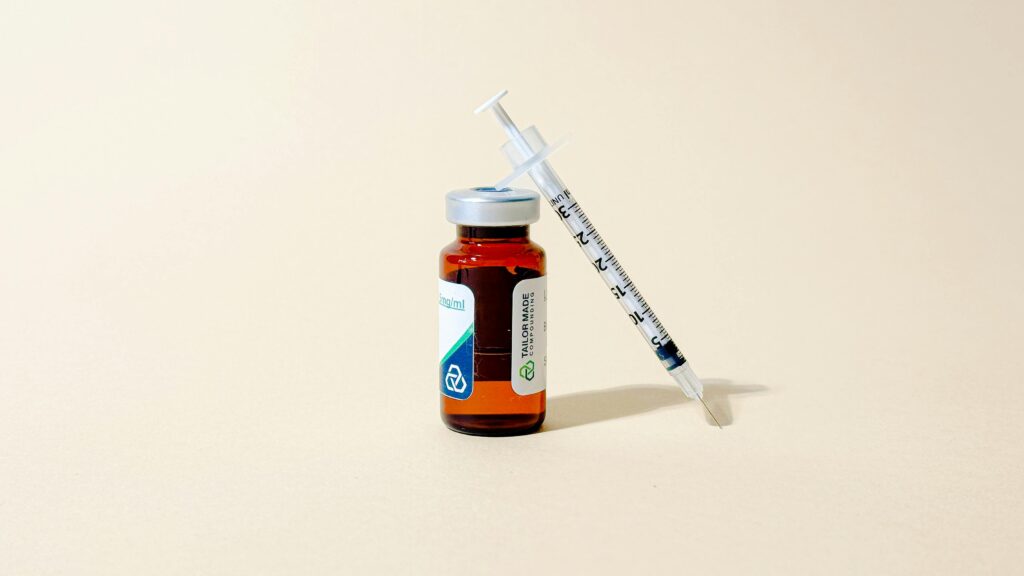
- Subcutaneous Injection: Both CJC-1295 and Ipamorelin are typically administered via subcutaneous injection. This means injecting the reconstituted peptide solution just below the skin. The abdomen is a common injection site due to its ease of access and relatively good absorption.
- Reconstitution: These peptides are usually supplied as lyophilized powders, meaning they are freeze-dried. Before administration, they need to be reconstituted with a sterile bacteriostatic water. The amount of water used will determine the concentration of the peptide solution.
- Timing of Injections: While CJC-1295, especially the DAC version, has a long half-life, the timing of Ipamorelin injections is often more critical for mimicking natural GH pulses. Many individuals opt to administer Ipamorelin before bed or in divided doses throughout the day, particularly before workouts. Combining them often involves administering them together.
Dosage and Cycling Protocols
- Individualized Approach: It is paramount to understand that there are no universally standardized dosages or cycling protocols for CJC-1295 and Ipamorelin. Dosages can vary significantly based on individual factors such as age, sex, weight, physiological goals, and overall health status.
- Typical Dosage Ranges (for informational purposes only):
- CJC-1295 (with DAC): Often found in ranges of 50-100 mcg per injection, administered 1-3 times per week. The reduced frequency is due to its extended half-life.
- Ipamorelin: Typically administered in ranges of 100-300 mcg per injection, potentially 1-3 times per day. The frequency here is to mimic pulsatile release.
- Combined Protocol: When used together, the dosages are often carefully matched. For example, you might see protocols using 100 mcg of CJC-1295 (with DAC) 1-2 times per week, combined with 100-300 mcg of Ipamorelin administered daily or on workout days.
- Cycling: Some users choose to cycle these peptides, meaning they use them for a specific period (e.g., 8-12 weeks) followed by a break. This is often done to allow the body to recover or to prevent potential receptor desensitization, although the evidence for the necessity of cycling is debated, especially with selective agents like Ipamorelin and CJC-1295 with its pulsatile stimulation.
- Importance of Professional Guidance: This information is for educational purposes only and does not constitute medical advice. You should always consult with a qualified healthcare professional or a peptide-savvy physician before considering the use of CJC-1295 or Ipamorelin. They can help you determine if these peptides are appropriate for your individual needs, assess potential risks, and recommend a safe and effective dosage and administration protocol.
It’s crucial to approach peptide therapy with a strong emphasis on education, safety, and professional guidance to ensure you are making informed decisions about your health and well-being.
In exploring the benefits of CJC-1295 and Ipamorelin as a powerful combination for enhancing growth hormone release, it’s also valuable to consider how to select the right recovery peptides for your specific needs. Understanding the nuances of peptide therapy can significantly impact your results, and for those interested in a comprehensive guide, you can find more information in this article on how to select recovery peptides. This resource provides insights that complement the discussion on the synergistic effects of CJC-1295 and Ipamorelin, helping you make informed decisions about your peptide regimen.
Potential Benefits and Applications: What Can You Expect?
The synergy between CJC-1295 and Ipamorelin offers a compelling approach for individuals seeking to optimize their physiology in several key areas. While outcomes can vary, the underlying mechanisms suggest a range of potential benefits.
Enhanced Body Composition Management
- Muscle Gain: For those engaged in strength training or seeking to build lean muscle mass, the amplified GH release facilitated by this duo can create a more potent anabolic environment. This means increased protein synthesis, nitrogen retention, and a greater capacity for muscle hypertrophy. You might find that your workouts become more productive in terms of muscle growth.
- Fat Reduction: The synergistic effect on GH can lead to a heightened rate of lipolysis, the breakdown of stored fat. By increasing the availability of GH, your body may become more efficient at utilizing fat as an energy source, potentially contributing to a leaner physique and a reduction in overall body fat percentage.
- Improved Nutrient Partitioning: Some evidence suggests that GH can improve how your body utilizes carbohydrates and fats. This can mean that nutrients are more effectively directed towards muscle tissue for building and repair, and away from storage as fat.
Accelerated Recovery and Performance
- Muscle Repair: The enhanced GH levels can significantly speed up the process of muscle tissue repair after strenuous exercise. This means less muscle soreness and a quicker return to optimal performance. You might find that your recovery between training sessions is considerably shorter.
- Joint and Connective Tissue Health: GH plays a role in the production of collagen and other connective tissue components. By supporting a healthier GH profile, this peptide duo may contribute to the strength, resilience, and repair of your joints, tendons, and ligaments, potentially reducing the risk of injury.
- Increased Energy and Endurance: While not a direct stimulant, the improved hormonal balance and metabolic efficiency fostered by increased GH can contribute to a greater sense of overall energy and vitality. This can translate into improved endurance during physical activities and a reduced feeling of fatigue.
Potential Anti-Aging and Longevity Applications
- Cellular Regeneration: As you age, the body’s natural GH production declines, which can be associated with a slowdown in cellular repair and regeneration. By supporting GH levels, this peptide combination might help to counteract some of these age-related declines, promoting a more youthful cellular environment.
- Skin Health and Elasticity: GH is involved in the production of collagen and elastin, proteins that contribute to skin health and elasticity. Some individuals report improvements in skin texture and a reduction in the appearance of fine lines and wrinkles when using these peptides.
- Bone Density Maintenance: GH plays a role in bone metabolism. While more research is needed in this area for peptide combinations, supporting healthy GH levels throughout life is generally considered beneficial for maintaining bone density and reducing the risk of osteoporosis.
It’s important to reiterate that these are potential benefits based on the known physiological actions of GH and the mechanisms of CJC-1295 and Ipamorelin. Individual responses can vary, and these peptides should not be viewed as a magic bullet. A healthy lifestyle, including proper nutrition and exercise, remains fundamental to achieving and maintaining optimal health.
Safety and Ethical Considerations to Keep in Mind
While the potential benefits of CJC-1295 and Ipamorelin are often discussed, it’s crucial to approach their use with a strong understanding of the associated safety and ethical considerations. Responsible use is paramount.
Potential Side Effects
- Mild Injection Site Reactions: As with any subcutaneous injection, you might experience mild redness, swelling, or bruising at the injection site. These are usually temporary and resolve on their own.
- Water Retention: Some individuals may experience mild fluid retention. This is typically not severe and can often be managed through diet and hydration.
- Carpal Tunnel Syndrome: In some cases, particularly with very high doses of GH or other GH secretagogues, individuals may experience some pressure or discomfort in their wrists, suggestive of carpal tunnel syndrome. This is generally less common with the controlled release facilitated by Ipamorelin and CJC-1295.
- Elevated Blood Glucose: While Ipamorelin is selective and less likely to cause this, elevated GH levels can, in some individuals, lead to transient increases in blood glucose. Monitoring blood sugar is advisable, especially if you have pre-existing conditions.
- Headaches: Some users report mild headaches, which are usually temporary and can often be addressed with adequate hydration.
It is vital to be aware of these potential side effects and to stop administration and consult a healthcare professional if you experience any persistent or concerning symptoms.
Regulatory Status and Sourcing
- Research Chemicals: In many regions, CJC-1295 and Ipamorelin are primarily classified and sold as research chemicals. This means they are not approved by regulatory bodies like the FDA for human therapeutic use. Their sale and possession may be subject to specific regulations depending on your location.
- Quality and Purity Concerns: The unregulated nature of the market for these peptides means that quality and purity can be a significant concern. You must be extremely diligent about sourcing these peptides from reputable suppliers who provide third-party lab testing results to verify the identity and purity of their products. Counterfeit or impure products can be ineffective or even dangerous.
- Ethical Implications: The use of peptides for performance enhancement or anti-aging purposes raises ethical questions, particularly in competitive sports where banned substances are strictly monitored. It is essential to be aware of the policies and regulations within any organization or sport you participate in.
The Importance of Professional Medical Supervision
- Informed Decision-Making: A qualified healthcare professional can help you understand the potential risks and benefits in the context of your individual health profile. They can identify any contraindications and ensure that peptide therapy is a suitable option for you.
- Personalized Dosing and Monitoring: A physician can recommend appropriate dosages based on your specific goals and monitor your progress and any potential side effects. This personalized approach is crucial for safe and effective use.
- Avoiding Misinformation: The online space is rife with unsubstantiated claims and misinformation regarding peptide therapy. Working with a medical professional ensures you are receiving accurate and evidence-based guidance.
Ultimately, the decision to explore the use of CJC-1295 and Ipamorelin should be made with careful consideration of all aspects, prioritizing safety, legality, and informed decision-making under the guidance of a qualified healthcare provider.
FAQs
What is CJC-1295 and Ipamorelin?
CJC-1295 and Ipamorelin are both synthetic peptides that are used to stimulate the production of growth hormone in the body. They are often used in combination to enhance the effects of each other.
How do CJC-1295 and Ipamorelin work together?
CJC-1295 works by increasing the production of growth hormone-releasing hormone (GHRH), while Ipamorelin works by stimulating the release of growth hormone. When used together, they can have a synergistic effect, leading to increased growth hormone production and potential benefits such as improved muscle growth, fat loss, and anti-aging effects.
What are the potential benefits of using CJC-1295 and Ipamorelin together?
Some potential benefits of using CJC-1295 and Ipamorelin together include increased muscle mass, improved fat loss, enhanced recovery from exercise, and potential anti-aging effects. These peptides may also have potential benefits for overall health and well-being.
Are there any potential side effects of using CJC-1295 and Ipamorelin?
While CJC-1295 and Ipamorelin are generally considered safe when used as directed, they may have potential side effects such as injection site reactions, water retention, and increased hunger. It’s important to use these peptides under the supervision of a healthcare professional.
How are CJC-1295 and Ipamorelin typically administered?
CJC-1295 and Ipamorelin are typically administered through subcutaneous injections, often on a daily basis. The dosage and frequency of administration may vary depending on individual needs and goals, and should be determined by a healthcare professional.