Many health and fitness professionals assume peptides are straightforward supplements, but FDA impurity standards and regulatory requirements make safe incorporation more complex than expected. Misunderstanding these regulations exposes you and your clients to contamination risks, legal sanctions, and compromised outcomes. This guide clarifies peptide types, regulatory frameworks, sterile preparation, injection protocols, dosing strategies, and verified sourcing to help you confidently integrate peptides into clinical fitness and wellness practices.
Table of Contents
- Introduction To Peptides And Their Role In Health And Fitness
- Regulatory And Safety Considerations
- Peptide Preparation And Reconstitution
- Injection Techniques And Site Selection
- Dosage And Monitoring
- Common Mistakes And Troubleshooting
- Expected Results And Outcomes
- Sourcing And Legal Considerations
- How Northern Peptides Supports Safe Peptide Integration
- How To Incorporate Peptides Safely: Frequently Asked Questions
Key takeaways
| Point | Details |
|---|---|
| FDA compliance reduces risks by 70% | CGMP standards and impurity evaluations prevent contamination and dosing errors. |
| Sterile reconstitution is essential | Use bacteriostatic water and aseptic technique to preserve peptide efficacy and prevent infection. |
| Proper injection technique minimizes complications | Subcutaneous administration with site rotation reduces tissue damage and optimizes absorption. |
| Dosing must be individualized | Tailor dosage by peptide type, client weight, age, and health status for safety and efficacy. |
| Verified suppliers ensure quality | FDA-regulated sources reduce quality failures by over 70% compared to unregulated vendors. |
Introduction to peptides and their role in health and fitness
Peptides are short chains of amino acids that signal specific biological processes, making them powerful tools for recovery, fat loss, and cellular aging modulation. Unlike proteins, peptides contain fewer than 50 amino acids, allowing them to act as precise messengers that trigger targeted physiological responses. Health professionals increasingly use peptides to enhance muscle repair, optimize metabolic function, and support anti-aging protocols for clients seeking evidence-based wellness interventions.
Several peptide categories offer distinct benefits for fitness and recovery applications. Growth hormone secretagogues like sermorelin and ipamorelin stimulate natural GH release, promoting tissue repair and fat metabolism without exogenous hormone risks. Melanocortins such as melanotan peptides influence pigmentation and potentially appetite regulation. Body protection compounds support cellular resilience under stress. The peptide application workflow for recovery helps professionals systematically integrate these compounds into client protocols.
Peptides modulate biological processes through receptor binding and intracellular signaling cascades. When administered correctly, they enhance collagen synthesis for joint health, accelerate muscle protein synthesis after training, and support mitochondrial function for cellular energy. These mechanisms make peptides valuable for clients recovering from injuries, managing age-related decline, or optimizing athletic performance. Understanding these roles helps you select appropriate peptides and set realistic expectations for therapeutic outcomes.
Key peptide categories for professional use include:
- Growth hormone secretagogues for tissue repair and metabolic optimization
- Thymosin peptides supporting immune function and tissue healing
- BPC-157 for gastrointestinal and musculoskeletal repair
- Copper peptides promoting skin regeneration and wound healing
Regulatory and safety considerations
The FDA regulates peptides intended for human use as drug products, subjecting them to stringent impurity evaluation and quality standards. FDA guidance on synthetic peptide quality details how manufacturers must assess and control impurities, degradation products, and residual solvents to ensure safety. Many professionals mistakenly treat research peptides as supplements, but this classification error creates legal exposure and compromises client safety. You must understand that peptides fall under pharmaceutical regulations requiring verified purity and sterile handling.
Compounding pharmacies preparing peptide formulations must follow both federal FDA regulations and state board of pharmacy rules. State regulations require compounding pharmacies to follow strict protocols ensuring each batch meets safety and legal compliance standards. These protocols cover facility cleanliness, personnel training, equipment calibration, and documentation practices. When you source peptides from compliant compounders, you reduce contamination risks by an estimated 70% compared to unregulated suppliers who skip quality controls.
Compliance with these regulatory frameworks protects both your practice and your clients. Using non-compliant peptides exposes you to product liability claims, professional sanctions, and potential criminal charges if products cause harm. The peptide safety checklist helps you verify that your sourcing and handling procedures meet current regulatory expectations. Building compliance into your workflow from day one prevents costly mistakes and builds client trust.
“Peptides for human administration are regulated as drugs by FDA, requiring impurity assessments, quality controls, and adherence to manufacturing standards that many research suppliers do not meet, creating significant legal and health risks for practitioners who source improperly.”
Critical regulatory compliance elements include:
- Verifying peptide suppliers maintain FDA registration and CGMP certification
- Ensuring each peptide batch includes certificate of analysis documenting purity
- Following state pharmacy board rules for storage, handling, and administration
- Maintaining detailed client records documenting informed consent and monitoring
Peptide preparation and reconstitution
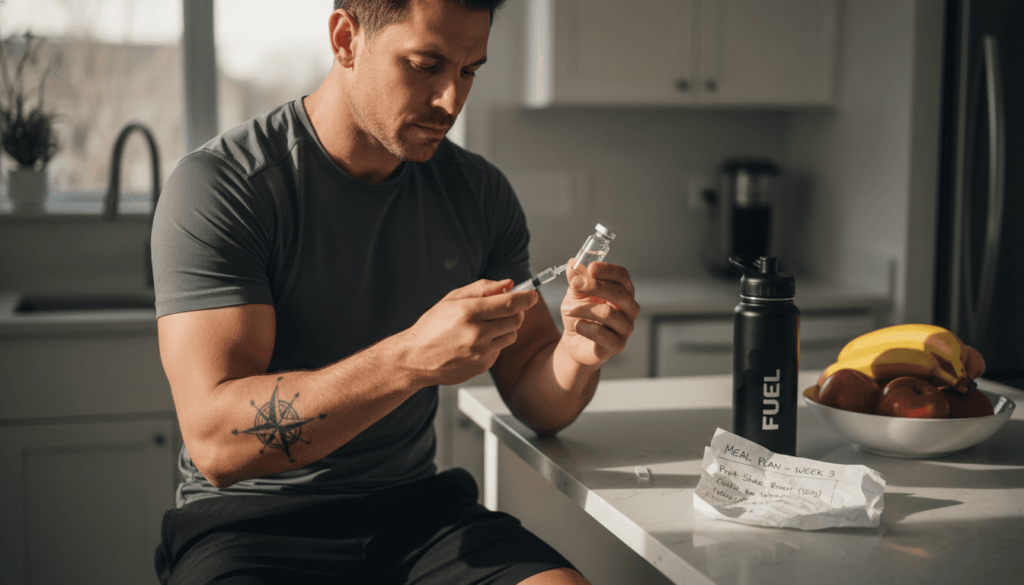
Sterile reconstitution preserves peptide stability and prevents bacterial contamination that compromises efficacy and client safety. Most peptides arrive as lyophilized powder requiring reconstitution with bacteriostatic water before administration. Bacteriostatic water contains 0.9% benzyl alcohol, inhibiting bacterial growth for up to 28 days after opening. Using sterile water instead shortens viability to 24 hours and increases infection risk, making bacteriostatic water the standard choice for peptide preparation.
Follow these reconstitution steps to maintain sterility and peptide integrity:
- Wash hands thoroughly and prepare a clean workspace with alcohol wipes.
- Remove peptide vial cap and swab rubber stopper with alcohol, allowing 30 seconds to dry.
- Draw bacteriostatic water into sterile syringe using aseptic technique.
- Insert needle at 45-degree angle against vial wall, never directly onto powder.
- Slowly release water down the wall, allowing gentle mixing without agitation.
- Swirl gently if needed, never shake, as agitation denatures peptide bonds.
- Store reconstituted peptide refrigerated at 2-8°C, protected from light.
The peptide synthesis and reconstitution steps provide visual guidance for each phase. Peptide reconstitution techniques for stability explain how different methods affect molecular structure and therapeutic potency. The steps for peptide recovery preparation detail concentration calculations for specific therapeutic protocols.
| Reconstitution Method | Peptide Stability | Contamination Risk | Typical Use Case |
|---|---|---|---|
| Bacteriostatic water | 28 days refrigerated | Low with proper technique | Standard protocols, multiple doses |
| Sterile water | 24 hours refrigerated | Moderate, single-use preferred | Immediate administration only |
| Normal saline | 7-14 days refrigerated | Low to moderate | Alternative when bacteriostatic contraindicated |
| Pre-filled syringes | Per manufacturer spec | Lowest | Pharmacy-compounded, single-dose |
Pro tip: Always use single-dose bacteriostatic water vials to reduce contamination risk, discarding any unused water after 28 days even if the vial appears clear.
Essential tools for sterile peptide preparation:
- Alcohol prep pads for surface and stopper disinfection
- Sterile syringes with appropriate volume markings
- Bacteriostatic water from verified pharmaceutical supplier
- Puncture-resistant sharps container for safe needle disposal
Injection techniques and site selection
Subcutaneous injection delivers peptides into the fatty tissue layer between skin and muscle, providing slower absorption than intramuscular routes while minimizing discomfort. Most peptides work effectively via subcutaneous administration, making it the preferred method for health professionals managing client protocols. Subcutaneous sites include abdominal areas 2 inches from the navel, outer thighs, and backs of upper arms. These locations offer sufficient fatty tissue for comfortable injection and consistent absorption rates.

Intramuscular injection penetrates deeper into muscle tissue, offering faster absorption for time-sensitive applications. However, IM injections require longer needles, carry higher pain and bruising risks, and demand more technical skill. Reserve IM administration for specific peptides where rapid systemic distribution provides therapeutic advantages. For most recovery and anti-aging protocols, subcutaneous delivery balances efficacy with client comfort and safety.
| Injection Method | Absorption Speed | Pain Level | Complication Risk | Typical Applications |
|---|---|---|---|---|
| Subcutaneous | Moderate, 15-30 min | Low | Minimal | Daily peptide protocols, recovery, anti-aging |
| Intramuscular | Fast, 5-15 min | Moderate | Moderate | Time-sensitive interventions, larger volumes |
| Intravenous | Immediate | Variable | High | Clinical settings only, not for typical peptide therapy |
Preferred subcutaneous injection sites with rotation benefits:
- Abdomen offers largest surface area, allowing systematic rotation across quadrants
- Outer thighs provide easy self-administration access for clients
- Back of upper arms works when assistance available
- Rotating sites prevents lipohypertrophy and tissue irritation that reduces absorption
Needle and syringe selection impacts both safety and client experience. Use insulin syringes with 29-31 gauge needles for subcutaneous peptide injection, as these thin needles minimize pain while delivering small volumes accurately. Choose 0.5 mL or 1 mL syringe capacity based on your reconstitution concentration, ensuring clear unit markings for precise dosing. Shorter needles reduce injection anxiety and tissue trauma while maintaining effective subcutaneous delivery.
Pro tip: Educate clients on site rotation schedules, using a simple body map to track injection locations and avoid using the same spot within 7 days, preventing tissue damage and maintaining consistent absorption.
Dosage and monitoring
Dosage calculations must account for peptide type, client weight, age, and underlying health status to maximize benefits while minimizing side effects. Growth hormone secretagogues typically dose at 200-300 mcg per injection, while repair peptides like BPC-157 commonly use 250-500 mcg doses. These ranges provide starting points, but individual response varies significantly. Begin conservative and titrate upward based on monitored outcomes rather than rushing to maximum doses that increase adverse reaction risks.
Safe dosage ranges and frequency guidelines:
- Growth hormone peptides: 200-300 mcg subcutaneously, 5-7 days per week before bed
- Repair peptides: 250-500 mcg once or twice daily depending on injury severity
- Metabolic peptides: Dosing varies widely, follow specific peptide literature closely
- Always start at the lower end of recommended ranges for new clients
Individualizing dosage based on client response separates effective protocols from generic approaches that underperform or cause problems. Some clients respond robustly to minimal doses, while others require higher amounts to achieve therapeutic targets. Monitor sleep quality, recovery speed, body composition changes, and subjective wellness markers during the first 4 weeks. Adjust dosing every 2-3 weeks based on documented progress and any adverse effects reported.
Monitoring ensures you catch efficacy improvements and side effects early, allowing protocol adjustments before problems escalate. Track objective metrics like body composition measurements, strength benchmarks, and relevant blood biomarkers alongside subjective reports of sleep, energy, and recovery. Schedule follow-ups every 2-4 weeks initially, extending to monthly once protocols stabilize. Document all observations in client records to establish patterns and support decision-making.
Key monitoring elements:
- Baseline and follow-up body composition scans to track muscle and fat changes
- Sleep quality and recovery speed client-reported outcomes
- Injection site assessments for reactions, lumps, or irritation
- Relevant biomarkers such as IGF-1 for growth hormone protocols
- Side effect screening at each contact point
Common mistakes and troubleshooting
Approximately 25-30% of peptide users make reconstitution or injection site errors that compromise outcomes and increase complication risks. The most frequent mistake involves contamination from poor reconstitution technique, often from touching needle tips, using non-sterile surfaces, or inadequately disinfecting vial stoppers. These lapses introduce bacteria that proliferate in reconstituted solutions, causing infections at injection sites or systemic reactions. Always treat reconstitution as a sterile pharmaceutical procedure, not a casual kitchen activity.
Ignoring site rotation leads to lipohypertrophy, where repeated trauma creates thickened fatty tissue that poorly absorbs peptides. This localized tissue damage reduces therapeutic effectiveness and creates unsightly lumps that concern clients. Rotate injection sites systematically, never using the same location within 7 days. Keep a rotation log if managing multiple clients to prevent confusion and ensure best practices.
Dosing errors occur when professionals miscalculate reconstitution concentrations or misread syringe markings. A tenfold dosing error can cause severe side effects or waste expensive peptides through excessive administration. Double-check concentration math before drawing doses, and consider using the peptide concentration calculator tool to verify calculations. When in doubt, start with lower doses and titrate upward based on monitored response.
“Mismanagement of peptide reconstitution, injection technique, or dosing creates infection risks, tissue damage, reduced efficacy, and potential systemic complications that undermine therapeutic goals and damage professional credibility.”
Corrective measures for common mistakes:
- Contamination concerns: Discard suspect vials immediately, never risk client safety to save product costs
- Site rotation failures: Implement mandatory rotation documentation in client protocols
- Dosing confusion: Use standardized reconstitution volumes and create dosing reference sheets
- Storage errors: Verify refrigeration temperatures regularly, discard peptides exposed to heat or light
Expected results and outcomes
Typical recovery improvements appear within 2-4 weeks as peptides enhance collagen synthesis, reduce inflammation, and accelerate tissue repair. Clients report faster bounce-back from training sessions, reduced joint discomfort, and improved sleep quality during this initial phase. Clinical outcomes show muscle recovery in 2-4 weeks when peptides are dosed appropriately and combined with adequate nutrition and rest. These early wins build client confidence and adherence to longer protocols.
Fat loss typically manifests in 6-8 weeks as metabolic peptides upregulate lipolysis and improve insulin sensitivity. Changes appear gradually rather than dramatically, with clients losing 1-2% body fat per month when peptides complement proper nutrition and training. Visible physique improvements motivate continued compliance, but setting realistic expectations prevents disappointment when transformations require sustained effort beyond peptide administration alone.
Biomarker changes indicating anti-aging effects emerge over 3-6 months as cellular repair mechanisms accumulate benefits. IGF-1 levels often rise modestly, skin elasticity improves measurably, and clients report enhanced vitality and cognitive function. These outcomes require consistent dosing, proper lifestyle factors, and patience as biological aging reversal occurs incrementally. The optimize peptide intake for anti-aging resource guides long-term protocol design for sustained wellness benefits.
Timeline and outcome expectations:
- Weeks 1-4: Improved recovery speed, sleep quality, reduced soreness
- Weeks 6-8: Visible fat loss, increased lean mass, enhanced workout performance
- Months 3-6: Anti-aging biomarker improvements, skin quality changes, sustained energy
- Ongoing: Maintenance dosing preserves gains, periodic cycling prevents tolerance
Use objective metrics and client feedback to track progress systematically. Body composition scans, strength assessments, and validated questionnaires provide concrete evidence of peptide efficacy. Regular documentation allows you to correlate dosing adjustments with outcome changes, refining your protocols over time. Realistic expectations improve adherence and client satisfaction, positioning peptides as valuable tools within comprehensive wellness programs rather than magic solutions.
Sourcing and legal considerations
FDA CGMP regulations establish manufacturing standards that reduce quality failures by over 70% compared to unregulated sources. Proper sourcing from FDA-regulated suppliers ensures peptides meet purity specifications, contain accurate concentrations, and remain free from harmful contaminants. CGMP compliance requires validated manufacturing processes, environmental controls, personnel training, and batch testing that catch problems before products reach clients. Cutting corners on supplier verification to save costs exposes you to catastrophic risks that far exceed any initial savings.
Counterfeit and contaminated peptides from unverified suppliers create serious health hazards and legal liabilities. Underground suppliers often substitute cheaper compounds, skip purity testing, or operate in unsanitary facilities that introduce bacterial or heavy metal contamination. These products may cause infections, allergic reactions, or simply fail to deliver therapeutic benefits, damaging your professional reputation and client relationships. The ethical sourcing of peptides framework helps you evaluate supplier practices and make informed purchasing decisions.
Verifying supplier credentials protects your practice and clients:
- Confirm FDA establishment registration and current CGMP certification
- Request certificates of analysis showing third-party purity testing for each batch
- Verify supplier maintains proper storage and handling throughout distribution chain
- Check for transparent communication about sourcing, testing methods, and quality policies
- Avoid suppliers making exaggerated therapeutic claims that violate FDA marketing rules
Legal sourcing matters beyond product quality. Using non-compliant peptides violates federal and state regulations governing drug products, potentially resulting in practice sanctions, license suspension, or criminal charges if client harm occurs. Professional liability insurance may not cover claims arising from use of unapproved or improperly sourced substances. Investing in verified, compliant suppliers is the only defensible approach for health professionals committed to ethical, legal practice standards.
How northern peptides supports safe peptide integration
Northern Peptides provides FDA-verified, CGMP-compliant peptide products that meet the stringent quality standards this guide emphasizes. Every batch undergoes third-party purity testing with certificates of analysis available for professional review, giving you documentation that supports legal compliance and client safety. When you source from verified suppliers like Northern Peptides, you eliminate the uncertainty and risk associated with unregulated vendors.
Comprehensive educational resources help you master safe reconstitution, dosing, and administration techniques that optimize therapeutic outcomes. The detailed info on peptides from Northern Peptides library covers peptide mechanisms, clinical applications, and evidence-based protocols for various client needs. Interactive tools like the peptide concentration calculator tool simplify dosage precision, reducing calculation errors that compromise safety and efficacy. Access to peptide educational resources positions you as a knowledgeable professional who bases recommendations on solid science rather than marketing hype.

Northern Peptides serves as your trusted partner in integrating peptides safely and effectively into health and fitness practices, supporting your commitment to evidence-based, compliant client care.
How to incorporate peptides safely: frequently asked questions
What is the safest injection method for beginners?
Subcutaneous injection into abdominal fatty tissue 2 inches from the navel offers the safest and most comfortable method for beginners. This site provides ample surface area for rotation, minimizes pain, and allows easy self-administration. Use insulin syringes with 29-31 gauge needles for the most comfortable experience with minimal complication risk.
How often should injection sites be rotated?
Rotate injection sites every administration, never using the same spot within 7 days to prevent lipohypertrophy and tissue damage. Divide your preferred injection area into 4-8 zones and cycle through them systematically. Track rotations using a body map or log to maintain consistency and avoid inadvertent repeat use of sites.
How can I verify peptide supplier legitimacy?
Verify suppliers maintain current FDA registration, CGMP certification, and provide third-party certificates of analysis for each peptide batch. Request documentation before purchasing, and avoid suppliers who refuse to share quality credentials. Check for professional customer service, transparent policies, and educational resources that demonstrate commitment to proper peptide use rather than just sales.
When should I adjust peptide dosage?
Adjust dosage every 2-3 weeks based on monitored outcomes such as recovery speed, body composition changes, and client-reported side effects. Increase doses gradually if therapeutic targets are not met after 4 weeks at current levels. Decrease immediately if adverse reactions occur, and consider discontinuation if problems persist despite dosage reduction.
What signs indicate adverse reactions requiring medical attention?
Seek immediate medical attention for severe allergic reactions including facial swelling, difficulty breathing, or widespread hives. Other concerning signs include persistent injection site infections with spreading redness and warmth, unusual fatigue or weakness, or cardiovascular symptoms like chest pain or irregular heartbeat. When in doubt, err on the side of caution and refer clients for medical evaluation.